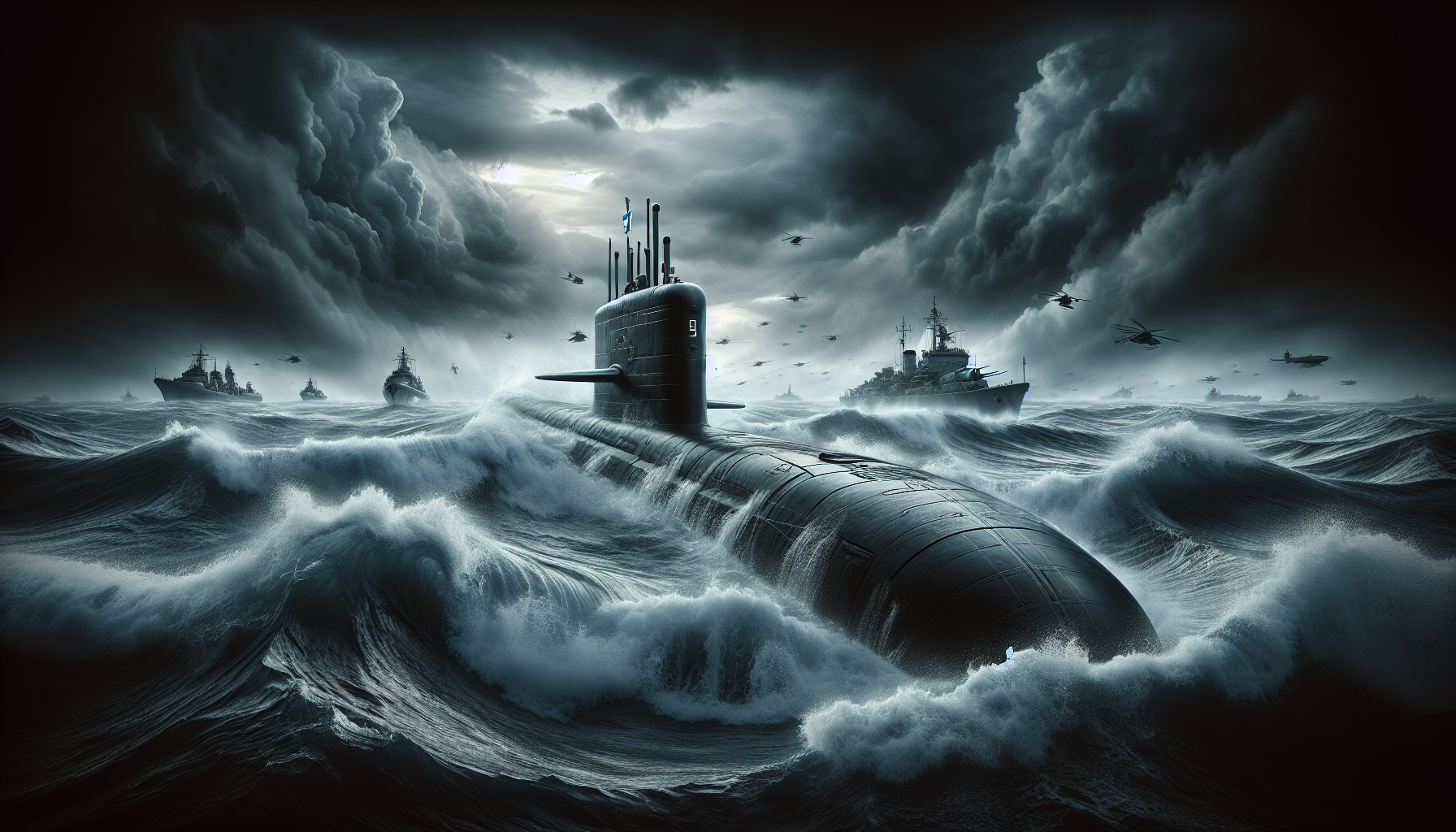
The Battle of the Atlantic stands as one of the most pivotal and prolonged conflicts during World War II, significantly influencing the course of the war. This article examines the strategic aspect of this maritime struggle, particularly focusing on the effectiveness of German U-boat wolfpacks in their relentless attacks against Allied shipping.
By analyzing key events and tactics employed during this protracted campaign, you will gain insights into how the actions of these wolfpacks brought Britain to the brink of collapse. The discussion will also explore the broader implications of this battle on warfare and supplies, ultimately shaping the outcome of the war in Europe.
The Battle of the Atlantic: A Comprehensive Analysis

Overview of the Battle of the Atlantic
Significance of the Atlantic in WWII
The Atlantic Ocean represented more than just a vast body of water during World War II; it served as the lifeline for Allied forces, connecting North America and Europe. Control over this critical maritime route affected the distribution of resources, troop movements, and communication between the United States and Britain. The need to protect supply chains made the Atlantic a strategic theater, witnessing one of the longest continuous military campaigns of the war. The outcomes of naval engagements here contributed significantly to the shifting tides of warfare, underscoring the Atlantic’s strategic importance.
Timeline of the Battle
The Battle of the Atlantic commenced in September 1939 and persisted until the defeat of Nazi Germany in May 1945. It can be delineated into distinct phases characterized by varying tactics and technological advancements. Initially, German U-boats wreaked havoc on Allied convoys, causing massive losses. As the war progressed, the Allies adapted their strategies, transforming the dynamics of naval engagements. Ultimately, the battle’s timeline encapsulates the evolution of warfare technology and strategy amid insurmountable trade pressures, marking a critical period in Western military history.
Key Players Involved
This protracted naval conflict involved significant players on both sides. The German Kriegsmarine, primarily represented by U-boat commanders such as Karl Dönitz, spearheaded offensive operations. On the Allied front, the British Royal Navy, under the strategic oversight of leaders like Admiral Sir Dudley Pound, and the United States Navy became crucial participants. Their interactions and confrontations illustrated the clash of tactics and innovations, each side striving for control over the vital Atlantic routes.
The Emergence of Wolfpacks
Definition and Tactics of Wolfpacks
The term “wolfpack” encapsulates the coordinated, massed attack strategy employed by German U-boats against Allied convoys. Rather than engaging targets individually, U-boats would gather in groups and strike simultaneously. This tactic not only increased the likelihood of successful sinkings but also overwhelmed the defensive measures of the convoys. The wolfpack methodology relied heavily on communication, timing, and the element of surprise, making it a formidable threat during the early years of the Battle of the Atlantic.
Origins and Development in German Naval Strategy
Wolfpack tactics were not spontaneously conceived but stemmed from early German naval strategy. Recognizing the vulnerability of Allied shipping routes, the German High Command sought effective means to disrupt maritime supply lines. As a result, U-boat commanders began experimenting with coordinated attacks, leading to the formalization of wolfpacks. This evolution in strategy illustrated an understanding of naval warfare’s fluid dynamics, where adaptability could lead to pronounced advantages on the battlefield.
Influence of Heinz Schaeffer and Karl Dönitz
Two key figures in the development of wolfpack tactics were Heinz Schaeffer and Karl Dönitz. Schaeffer’s early successes in leading coordinated attacks against slow-moving convoys established a formula for U-boat success. Meanwhile, Dönitz, eventually elevated to Commander of U-boats and later the Admiral of the German Navy, championed the wolfpack concept as an efficient means to capitalize on naval power. Together, these leaders propelled the German U-boat campaign to its early successes, causing significant dwindling of Allied maritime strength.
The Initial Successes
Early Convoy Losses
During the initial stages of the Battle of the Atlantic, the Allies faced devastating losses due to the effectiveness of wolfpack tactics. Convoys, often composed of merchant ships carrying essential supplies, became prime targets for U-boats. The loss of ships during these early encounters inflicted crippling blows to the Allied supply chain, emphasizing the vulnerability of maritime logistics. Such losses prompted urgent re-evaluation and adaptations within Allied naval defense protocols.
Strategic Targets of German U-Boats
U-boats primarily targeted merchant vessels, oil tankers, and troop transports, recognizing that these assets were pivotal in sustaining the war effort. Their engagements were not merely opportunistic; they reflected a calculated approach aimed at disrupting the Allies’ capacity to wage war. The strategic targeting of goods, rather than military vessels alone, showcased the German focus on undermining the broader logistical framework, intending to erode British morale and war potential.
Impact on Allied Supply Lines
The ramifications of early U-boat successes rippled throughout the Allied war efforts, significantly hampering the flow of necessary resources. With supply lines under relentless attack, Britain experienced shortages of crucial materials, leading to dire situations in both military logistics and civilian infrastructure. This disruption compelled Allied commanders to address weaknesses in their convoy systems while fostering innovation in defensive measures, highlighting the escalating stakes of the conflict within the Atlantic.
Technological Developments
U-Boat Innovations and Advancements
German U-boats underwent several innovations in design and capabilities that contributed to their early successes. The introduction of the Type VII U-boat, featuring greater operational range and improved speed, allowed them to extend their reach across the Atlantic. Additionally, advancements in torpedo technology enhanced their lethality, enabling stealthy strikes against unsuspecting convoys. Such innovations played a vital role in sustaining their offensive momentum early in the war.
Countermeasures: Sonar and Depth Charges
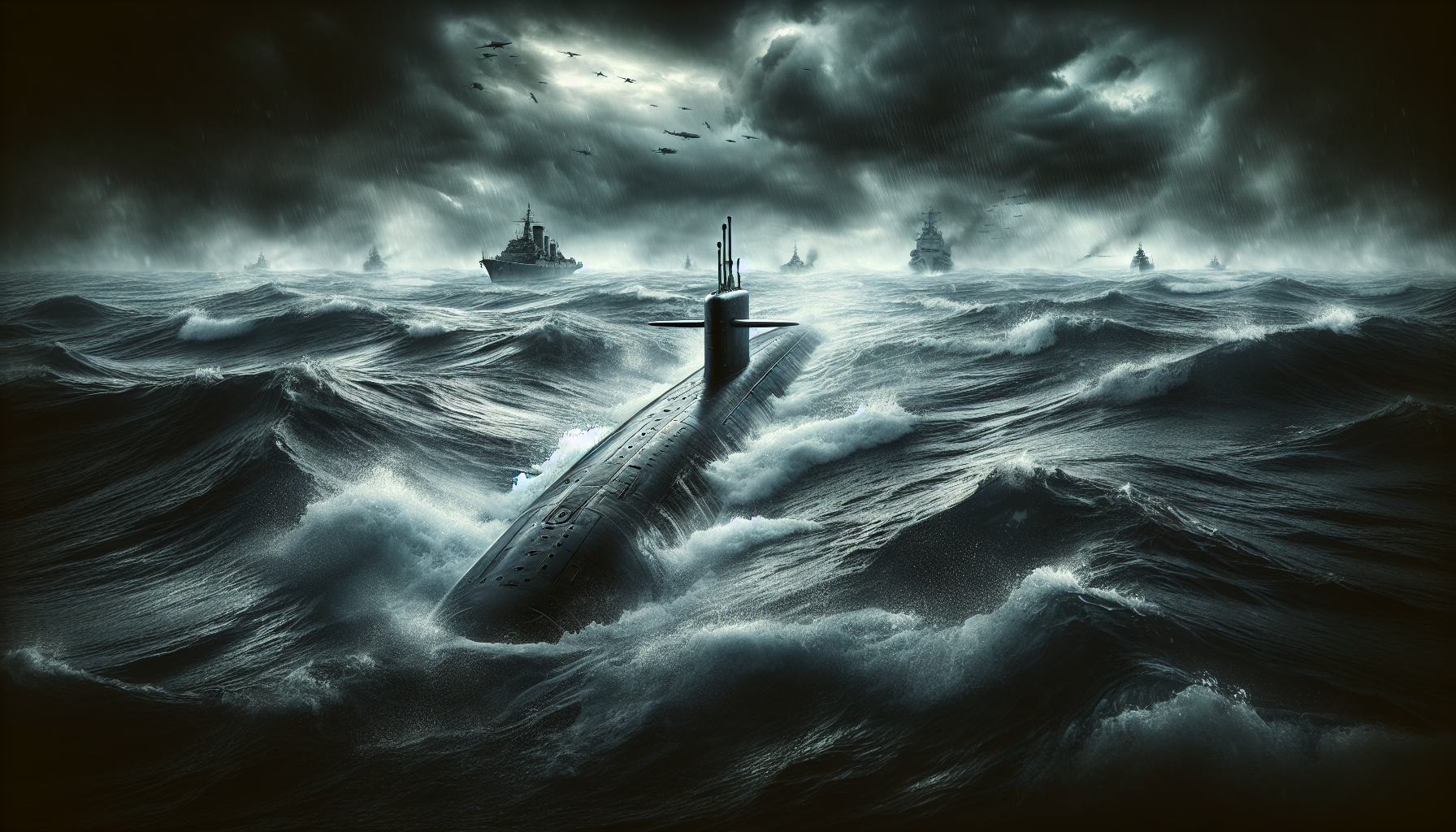
In response to the U-boat threat, the Allies pursued significant technological advancements. The development of sonar technology marked a turning point in anti-submarine warfare, allowing naval forces to detect and track submerged U-boats. Moreover, the introduction of depth charges provided a method to engage U-boats, forcing them to operate with increased caution. This cat-and-mouse dynamic exemplified how technological developments would shape the course of the battle.
The Role of Aircraft in the Battle
The incorporation of aircraft into naval strategies also proved transformative. Allied forces utilized reconnaissance aircraft to extend their surveillance capabilities, identifying U-boat locations. Additionally, long-range bombers such as the Consolidated B-24 Liberator began to play pivotal roles in anti-submarine engagements. The convergence of aerial and naval power introduced new dimensions to the Battle of the Atlantic, complicating the U-boat commanders’ operational calculus.
Allied Response and Adaptation
Convoy System: Adoption and Changes
In light of U-boat successes and convoy losses, the Allies adapted by bolstering their convoy system. Increased ship escort assignments, organized routing strategies, and heightened vigilance became standard protocols. The British implemented improvements in naval communications, allowing for better coordination during transatlantic crossings. These adaptations not only safeguarded supplies but also reflected a necessary shift in tactical thinking, reinforcing the importance of collective defensive strategies.
Development of Escort Groups
As the importance of protecting convoys grew evident, the establishment of escort groups became vital in mitigating U-boat threats. These groups comprised destroyers and corvettes tasked with providing protection for merchant vessels. Their proactive engagement tactics aimed to create a protective shield, thwarting the efficiency of wolfpacks. The development of these escort groups illustrated the Allies’ reactions to ongoing U-boat formations, showcasing a strategic pivot toward a more united naval front.
Intelligence and Codebreaking Efforts
Intelligence and codebreaking efforts also played critical roles in the Allied response. The successful decryption of German naval communications, notably the Enigma machine, provided invaluable insights into U-boat movements and strategies. By anticipating German actions, the Allies significantly improved their defensive posture, disrupting U-boat operations and pricing German forces out of coordinated attacks. This intelligence element highlighted a key aspect of modern warfare in the mold of World War II, where information became a decisive advantage.
Key Battles and Turning Points
The Battle of the Belize Sea
One significant engagement in the Battle of the Atlantic was the Battle of the Belize Sea in 1944, where a concerted Allied effort aimed to confront the remaining German U-boats in the Caribbean theater. This battle served as a pivotal moment, showcasing a massive naval formation of Allied escort groups backed by air cover. The decisive victory here reasserted Allied dominance in the Atlantic, signaling a shift from reactive to offensive strategies in naval warfare.
The Mid-Atlantic Battles
The Mid-Atlantic battles further exemplified the evolving tactics as Allied forces began to assert control in previously U-boat-dominated territories. Armed with better intelligence, improved escort tactics, and technological advancements, the Allies commenced aggressive operations against U-boat formations. The outcome of these mid-Atlantic engagement marked a shift in the balance of naval power, severely crippling the capabilities of German submarines and marking one of the most significant turning points in the strategic narrative of the Atlantic campaign.
The Role of the American Navy
Crucially, the entry of the American Navy into the Battle of the Atlantic reshaped the battlespace. With increased resources and manpower, the Americans bolstered escort group capacities and played pivotal roles in major encounters. The U.S. Navy’s focus on establishing air supremacy and utilizing destroyer divisions effectively complemented Allied strategies, enhancing the collective response against U-boat threats. This collaboration underscored the importance of unity among Allied forces, solidifying the collective effort against a common adversary.
Economic Impact on Britain
Disruption of Food and Material Supplies
The relentless U-boat offensive wreaked havoc on Britain’s food and material supplies, creating widespread shortages that affected civilians and military personnel alike. Merchant vessels transporting critical goods were frequently targeted, leading to significant gaps in essential resources. This disruption not only strained the economy but also sparked concerns around food rationing and sustenance for the war effort, amplifying domestic tensions amid the ongoing conflict.
Effects on British Industry
The economic reverberations extended beyond civilian life, impacting British industry as well. With vital goods and materials failing to reach their destinations, industrial production faced severe limitations. This stymied Great Britain’s ability to sustain wartime manufacturing efforts, necessitating increased prioritization and resource allocation. The consequent decline in production capabilities reflected the vulnerability of industrial efforts amidst economic warfare strategies, emphasizing the intricate interplay between military and economic factors in sustaining combat readiness.
Public Morale and Psychological Warfare
Public morale in Britain also suffered as a result of U-boat attacks and subsequent resource shortages. The perceived threat of submarine warfare fostered an atmosphere of anxiety and uncertainty, amplifying the psychological toll on the population. The British government often utilized propaganda measures aimed at bolstering public spirit, but the challenges posed by economic strife and shortages remained palpable. This interplay between military engagement and civilian morale revealed intriguing aspects of psychological warfare, where the impact of diminishing resources could be as damaging as direct military confrontations.
The Strategic Mistakes of the Axis Powers
Overextension of U-Boat Campaigns
As the war progressed, the Axis powers made critical strategic errors, notably in the overextension of U-boat campaigns. Ambitions to disrupt supply lines often led German forces to disperse their naval assets, diluting their effectiveness. Miscalculations regarding the saturation points of U-boat deployments ultimately hampered their capacity to sustain efficient operations. This overextension served as a significant self-inflicted vulnerability in the German naval strategy, enabling the Allies to regain momentum.
Failure to Adapt to Allied Tactics
Evident in the development of Allied countermeasures, a central strategic mistake of the Axis powers was their inability to adapt to evolving Allied tactics. While initial successes achieved by the U-boats caused considerable disruption, the Allies’ adaptive responses outpaced German strategies. The failure to modify operational doctrines in light of changing circumstances limited the effectiveness of the U-boat offensives. This rigidity showcased a broader theme of strategic inflexibility that would ultimately tarnish the German military efforts in the Atlantic.
Competition Among Axis Navies
Conflicts of interest within Axis naval strategies also contributed to the overall downfall of U-boat initiatives. The competition among Axis navies, particularly the German Kriegsmarine and Italian Navy, often led to fragmented strategies that diluted the effectiveness of their collective efforts. Instead of operating synergistically, internal rivalries created disarray, further undermining their capacity to project power effectively. This division demonstrated how essential unity and coordination are within military coalitions, significantly impacting the conflict’s outcomes.
The Contribution of Allied Technology
Development of Long-Range Maritime Patrol Aircraft
The battle’s technological landscape featured significant contributions from the Allies, notably in the development of long-range maritime patrol aircraft. These aircraft extended the reach of surveillance operations, enabling proactive engagement against German U-boats. The ability to detect and engage targets from the air transformed naval operations, pivoting from the reliance on surface engagements to multi-dimensional assaults. This shift contributed to the Allies gaining a strategic edge in the battle, underscoring technology’s role in modern warfare.
Advancements in Naval Warfare Technology
Parallel to aerial advancements, naval warfare technology also evolved significantly. The Allies invested in developing advanced anti-submarine warfare (ASW) ships equipped with sophisticated detection technologies and armaments. The introduction of more formidable classes of destroyers, equipped with depth charge capabilities, turned the tide against U-boats, disrupting their once-dominant tactics. These developments embodied a broader trend within the Allied response, showcasing an integrated approach to countering the asymmetric threat posed by U-boats.
The Importance of Radar Technology
Radar technology emerged as a game-changing innovation, providing a tactical advantage in naval engagements. Its incorporation into vessels allowed for early detection of enemy vessels, irrespective of weather conditions. The ability to foresee U-boat movements shifted the balance of power, enabling Allied forces to engage proactively rather than reactively. This technological leap underscored the significance of innovation in warfare and its capacity to transform the capabilities of naval forces fundamentally.
Conclusion
Summary of the Battle’s Key Elements
In summation, the Battle of the Atlantic stands as a multifaceted campaign that shaped the trajectory of World War II. The interplay of strategies, technological innovations, and human agency among key players highlights the complexity of this historical theater. From the emergence of wolfpacks to the countermeasures employed by Allied forces, each aspect contributed to the battle’s evolving narrative, illustrating how dependent wartime outcomes are on adaptability and resilience.
The Endurance of Britain in the Face of Adversity
Britain’s capacity to endure the challenges posed by the Battle of the Atlantic reaffirms the centrality of fortitude and unity in the face of adversity. Despite significant hardships, resource shortages, and public morale challenges, the nation’s resolve persisted. This endurance played a critical role in sustaining military efforts and overcoming the U-boat menace, emphasizing the human dimension in warfare and the significance of collective willpower.
Final Reflections on the Battle’s Legacy
The legacy of the Battle of the Atlantic resonates in contemporary military studies, serving as a pivotal case on the dynamics of naval power and warfare evolution. Its lessons on strategic adaptability, the importance of technological innovation, and the integration of intelligence efforts provide critical insights for modern defense considerations. Through understanding this battle’s intricacies, you glean valuable perspectives on military strategy and the intricate relationships that define the outcomes of historical conflicts.