
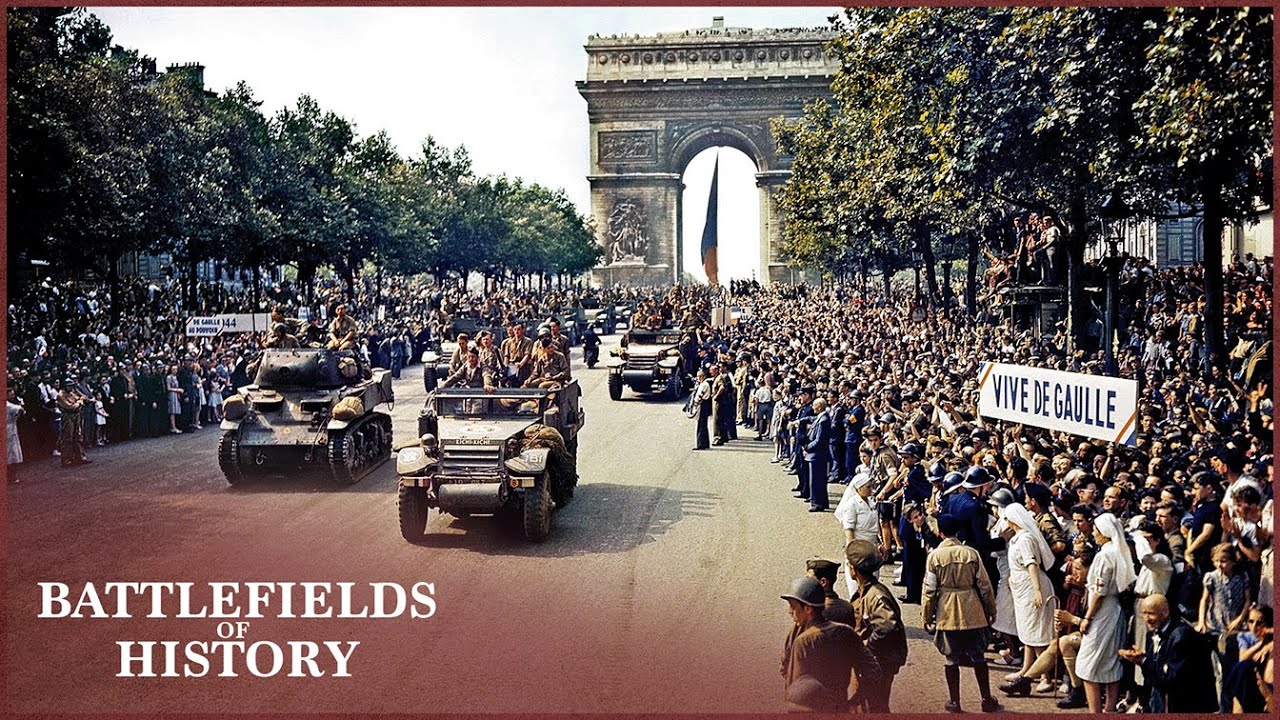
The year 1944 marked a pivotal moment in history with the Liberation of Paris, a significant event that altered the course of World War II. This article examines a unique video presentation by Battlefields of History, which offers a vivid portrayal of this historic occasion through color footage. By analyzing the visual elements in the video, a deeper understanding of the cultural and emotional impact of the Liberation is established.
You will explore how colorized footage enhances the narrative of Paris’s liberation, bringing to life the joy and resilience of its citizens amid the backdrop of war. Moreover, this exploration will provide insights into the significance of this event, not only for France but for the broader historical context of Europe during the mid-20th century. The integration of color adds a compelling dimension to the memories embedded in this transformative period.
The Liberation of Paris: A Colorful History
Historical Context
Overview of World War II
World War II, which lasted from 1939 to 1945, stands as one of the most pivotal and devastating conflicts in human history. Involving multiple nations and vast military operations, the war was marked by significant events such as the invasion of Poland, the Battle of Britain, and the attack on Pearl Harbor. Central to this war was the Axis powers, primarily Germany, Italy, and Japan, pitted against the Allies, which included the United States, the United Kingdom, the Soviet Union, and numerous other nations. The war not only reshaped geopolitical boundaries but also led to profound changes in societal norms and structures across the globe.
The German Occupation of Paris
Paris fell under Nazi control in June 1940, marking the beginning of a profound transformation for the city known as “the City of Light.” During this occupation, the Germans imposed strict regulations, stifled cultural expressions, and cultivated a climate of fear and repression. Paris became a symbol of both beauty and despair, where art, literature, and daily life were overshadowed by the omnipresent threat of betrayal and violence. The resistance flickered beneath the surface, with brave individuals engaging in acts of defiance against the oppressive regime.
Significance of the Liberation of Paris
The liberation of Paris in August 1944 marked a critical turning point in World War II and signified the collapse of Nazi control in Western Europe. It was not merely a military victory but also an emotional and symbolic triumph for the French people and the Allies. The city’s liberation inspired hope and revitalized morale, emphasizing the resilience of human spirit against tyranny. This moment is remembered not just as a military operation but as a cultural renaissance, allowing the essence of Paris to emerge from the shadows of war and oppression.
Color Photography in 1944
Technology of Color Photography
In 1944, the technology of color photography was still in its nascent stage compared to modern standards. Early color processes, such as Kodachrome, allowed for the capturing of vibrant hues, yet they required meticulous handling and precise exposure settings. The complexity of these systems meant that color photographs were rare, particularly in the field of war journalism. Nonetheless, the technology began to evolve, paving the way for innovative representation of historical events, including the liberation of Paris.
Availability and Use of Color Film
Despite the challenges associated with color film, an increasing number of photographers began utilizing these techniques throughout the war, capturing scenes with a depth and authenticity that monochrome photography could not convey. Color film began to make headway among journalists and artists who recognized its potential to enhance storytelling. While black-and-white documentaries offered stark, powerful images, color film provided a context that resonated on a deeper emotional level—illuminating the nuances of human experience amid conflict.
Influence of Color in Documenting History
The use of color in documenting historical events has profound implications for collective memory. Color photographs draw viewers in, facilitating an emotional connection to the past that is often more accessible than their black-and-white counterparts. The vibrant colors in photographs from the liberation of Paris depict not just soldiers and guns, but also the emotions of civilians, the vibrancy of urban life, and the atmosphere of celebration and relief. As such, color documentation has become vital in presenting a holistic view of history, allowing future generations a glimpse into the vibrant nuances of their predecessors’ realities.
The Events Leading to Liberation
Allied Forces’ Advance through France
As summer 1944 approached, the Allied forces advanced through France with increasing momentum, following the successful D-Day invasion of Normandy. They moved toward Paris, liberating towns and cities along the way. The strategic planning of the Allies, combined with the bravery of troops from various nations, brought hope that the German grip would soon loosen. The push towards Paris was not merely a tactical objective; it represented a symbolic reclamation of France and its values from the shadows of oppression.
Role of Resistance Movements
The French Resistance played a crucial role in preparing for the liberation of Paris. This underground movement consisted of ordinary citizens who engaged in espionage, sabotage, and advocacy to undermine the Nazi regime. As the Allies advanced, communication between Resistance groups and military leaders became pivotal in coordinating efforts for the liberation. Their intimate knowledge of the city and its lay of the land allowed the Allies to formulate effective strategies, blending military might with local knowledge and determination.
Key Battles Leading Up to Liberation
Several crucial battles preceded the liberation of Paris, notably the battles at Mont-Saint-Michel, Chartres, and the Falaise pocket. Each confrontation contributed to weakening German defenses, allowing Allied forces to navigate toward the heart of France. The bravery displayed by soldiers and the tactical expertise wielded by commanders provided the necessary impetus to rally troops for the final assault on Paris. These battles were fought with unyielding determination, embodying the resolve of those who longed for freedom from oppression.
The Invasion of Paris
Initial Skirmishes on August 19, 1944
On August 19, 1944, skirmishes erupted as the city of Paris began to witness the first waves of liberation. Resistance fighters clashed with German soldiers in various districts, marking the city’s transition from occupied to liberated ground. This moment was charged with conviction as Parisians rallied to support the resistance, fueling the confidence of both local fighters and Allied troops. The initial skirmishes ignited a sense of urgency and purpose that would culminate in the liberation of one of the world’s most iconic cities.
The Role of Free French Forces
Among those fighting for liberation were the Free French Forces, led by General Charles de Gaulle. These soldiers, exiled during the occupation, fought valiantly to restore the dignity of France. They not only engaged in combat but also symbolized the hope of a unified nation rising against tyranny. Their involvement emphasized the collective struggle, as French citizens and soldiers from other nations united to reclaim their homeland from the grasp of oppression.
Coordination with Allied Forces
The liberation of Paris was characterized by meticulous coordination between Resistance movements and the advancing Allied forces. Communication networks connected these disparate groups, allowing for the exchange of crucial information that facilitated strategic planning. The culmination of these efforts resulted in a powerful assault on German positions, paving the way for the eventual entry of Allied troops into the heart of Paris. The collaboration underscored an understanding that the liberation of Paris was not merely a military engagement, but a concerted effort to restore freedom to a besieged city.
Iconic Moments of Liberation
Celebrations in the Streets
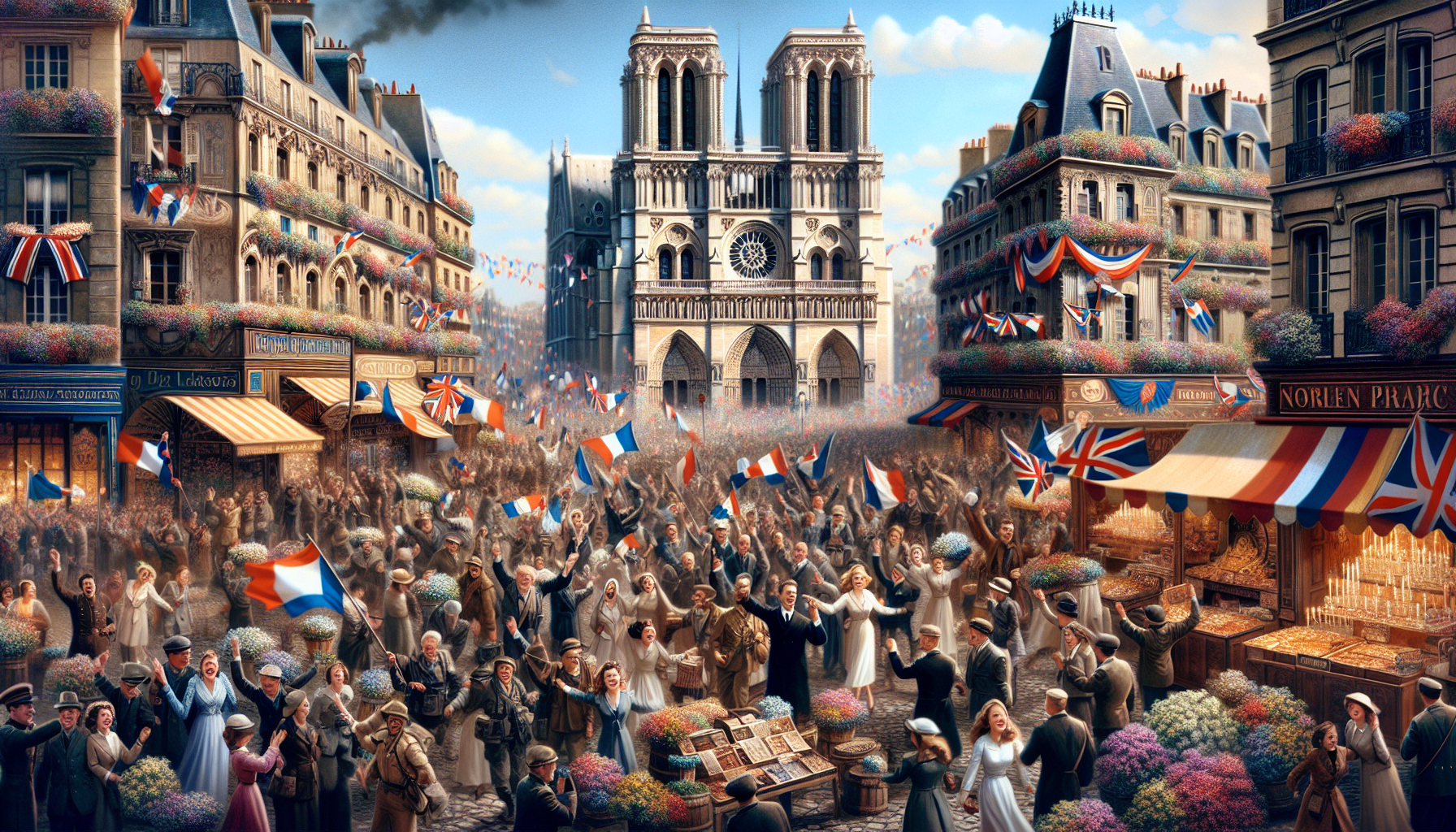
The streets of Paris erupted in unrestrained joy as news of liberation spread throughout the city. Parisians poured into the streets, waving flags and crying out in celebration. The atmosphere was transformational, a remarkable tapestry of emotion echoing through public squares. From the Hôtel de Ville to the Arc de Triomphe, the sounds of laughter and tears intertwined, reflecting the catharsis of lived experiences finally released from the weight of fear. In those moments, color danced vibrantly, uniting people regardless of past divisions.
Symbolic Monuments and Locations
Key landmarks in Paris played a significant role during the liberation festivities. The Notre-Dame Cathedral, the Eiffel Tower, and other iconic structures became symbols of resilience and hope. As Parisians converged on these sites, they affirmed their identity, culture, and defiance against oppression. The very architecture that had witnessed years of turmoil now stood as a testament to liberation, embodying the spirit of a people reclaimed from desolation.
Personal Accounts from Civilians
Personal accounts from civilians during the liberation provide invaluable insights into the historical narrative. As individuals recount their experiences, emotions spanning joy, disbelief, and relief come forth. Families celebrated reunions, strangers embraced, and the air was thick with the scent of freedom after years of occupation. These testimonials, rich in detail and vibrancy, reflect the human experience during monumental historical moments, bridging connections between past and future generations.
The Role of Photographers and Filmmakers
Key Figures in Color Documentation
A few key figures emerged as pivotal in color documentation during the Liberation of Paris. Among them was Roger Viollet, a French photographer who documented the resistance and the unfolding events with a commitment to capturing the vibrancy of life in Paris. These photographers played an essential role in immortalizing moments that would otherwise fade into the obscurity of history, transforming the collective memory of this period for future generations.
Challenges Faced in Capturing Events
Photographers and filmmakers faced formidable challenges in capturing the liberation of Paris. The dangers of conflict, coupled with the limitations of technology, called for not only courage but also creativity. Artists had to navigate the terrain while capturing authentic moments amid chaos. The struggle to balance artistry and the raw realities of war became a defining feature of this visual documentation, compelling viewers to engage with the immediacy of history.
Impact of Photography on Public Perception
The photographs and films produced during the liberation shaped public perception profoundly. Reports accompanied by vivid color imagery transformed how the public engaged with the past. Rather than abstract narratives of conflict, the human element became more tangible. These images ignited discussions, evoking emotional responses and fostering connections to the lived experiences of those who witnessed the events unfold. The documentation of color photography would cement the liberation of Paris in the collective consciousness, serving both educational and memorial purposes.
Post-Liberation Paris
Immediate Changes in the City
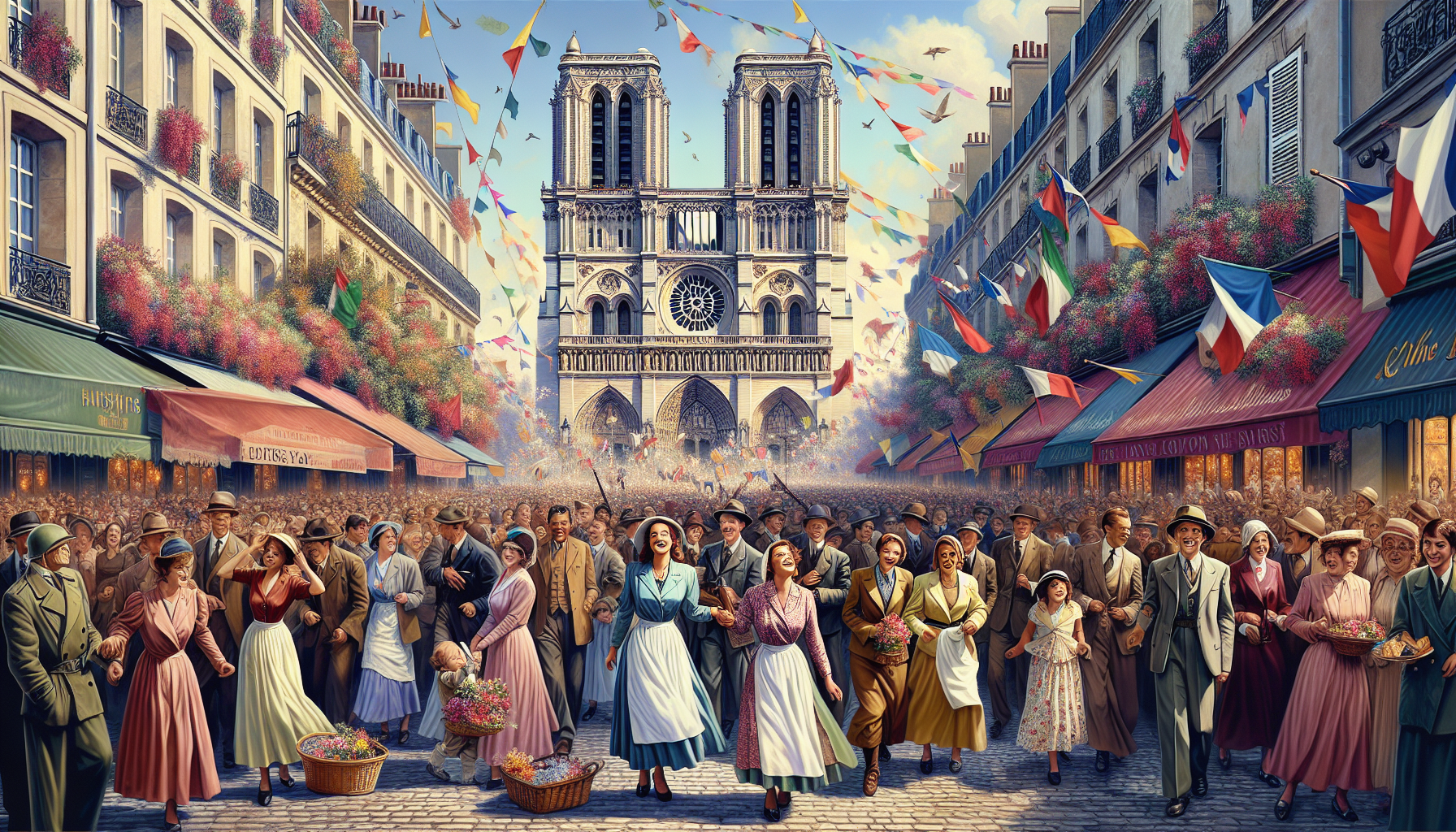
The immediate aftermath of the liberation brought both excitement and upheaval to Paris. The re-establishment of French governance, the dismantling of Nazi symbols, and the return of cultural freedoms marked a period of renewal. The citizens, once oppressed, found themselves navigating the complexities of rebuilding a city fraught with loss yet pulsing with potential. The vibrant streets, now teeming with life, became a canvas for expression, resistance, and healing.
Cultural Resurgence Post-Occupation
The liberation offered a cultural resurgence across Paris, as artists, writers, and intellectuals sought to reclaim their spaces and voices. Renowned figures such as playwright Jean-Paul Sartre and writer Simone de Beauvoir emerged from the shadows of war to redefine French culture. The streets transformed into forums for discussion, creativity, and defiance, fostering a climate ripe for artistic innovation and philosophical exploration. A renaissance occurred as the vibrancy of Parisian life returned, embodying the spirit of freedom reclaimed.
Long-term Effects of the Liberation
The long-term effects of the liberation of Paris extended into various facets of society, carrying implications that reached beyond the immediate aftermath. Restoration of civil liberties, greater political engagement, and a resurgence of national identity forged a path toward modern France. The events that unfolded in August 1944 became integral to national pride and collective memory, influencing political movements and cultural expressions for decades to come.
Legacy of the Color Footage
Preservation of Historical Footage
The color footage documenting the liberation of Paris has become an indispensable artifact of history. Preservation initiatives ensure that these valuable records are maintained and appreciated for generations to come. This footage allows future viewers to explore the historical landscape in vivid detail, contributing to a richer understanding of past events. Archival efforts reinforce the importance of safeguarding cultural narratives, allowing society to learn and reflect on its history.
Effects on Future Documentation
The vibrant color footage captured during the liberation set a standard for future documentary work. It highlighted the importance of presenting history in a way that resonates emotionally with viewers, paving the way for generations of filmmakers and photographers to document events with depth and authenticity. The standards established by early color documentation continue to influence current practices, as visual storytelling matures in an era when color has become ubiquitous.
Educational Value of Color Films
The added educational value of color films documenting the liberation of Paris underscores their significance in historical discourse. These films serve not only as visual records but also as tools for critical engagement. Educators can utilize them to clarify complex historical narratives, fostering empathy and understanding among students. By immersing learners in the past’s vibrancy, these films enhance their connection to history and humanity, ensuring that the lessons learned from such events endure.
Cinematic Representations
Films Depicting the Liberation of Paris
Numerous films have captured the essence of the liberation of Paris, creating a cinematic tableau that reflects both the truth and the mythos surrounding these monumental events. Notable films, such as “Is Paris Burning?” depict the physical and emotional landscape of the city during its liberation. These representations allow audiences to engage with history, generating ongoing conversations about the past’s meaning and relevance to contemporary society.
Use of Color in War Movies
The role of color in war movies has transformed the viewer’s experience, serving as a powerful differentiator for emotional resonance. The kaleidoscope of color evokes a vivid connection to the triumphs and tragedies experienced by those involved. In depicting the liberation of Paris, filmmakers utilize color to assert stakes, bridge connections, and offer perspectives that contribute to a nuanced understanding of events. This visual language shapes public perception, influencing how we remember such significant moments.
Analysis of Historical Accuracy in Cinema
While cinematic representations often capture the emotional essence of history, interpretations may not always align with factual accuracy. The balancing act between dramatic storytelling and historical fidelity can complicate the audience’s understanding of events. Critical analysis of film portrayals of the liberation of Paris is essential for discerning fact from fiction, encouraging viewers to approach history with a critical eye that appreciates both the emotional truth and the factual landscape.
Conclusion
Reflection on the Importance of Color in History
The liberation of Paris serves not only as a monumental historical event but also as a landmark in the evolution of visual documentation. The splash of color in photographs allows for a more profound emotional connection to the past, ensuring that the narratives forged in those moments retain their relevance. Color facilitates a deeper understanding of historical complexity, illuminating the human experience amid conflict and resolution.
The Lasting Impact of the Liberation of Paris
The liberation held a transformative impact that resonated through national identity, cultural resurgence, and international relationships. Parisians emerged from the war embodying resilience, creativity, and an unyielding aspiration for freedom. The echoes of liberation continue to shape modern France, offering enduring lessons in courage, collaboration, and the pursuit of justice.
Encouragement for Future Generations to Remember
As you reflect on the past, consider the power of memory and the stories that shape your reality. The liberation of Paris reminds you of the importance of remembrance and the collective responsibility to learn from history. By honoring these moments, you contribute to a legacy of understanding and compassion, encouraging future generations to embrace the strength found in unity and resilience against oppression. Embrace the colors of the past, for they illuminate the pathways of understanding toward a brighter future.