
The evolution of warfare inevitably involves the adaptation of tactics and technologies, most notably in the realm of deception. As demonstrated in current conflicts, such as those occurring in Ukraine, the use of innovative decoys—ranging from inflatable tanks equipped with heat signatures to drones designed for mimicry—has redefined combat strategies. This article will analyze the importance of these deceptive measures, examine the United States military’s current limitations in utilizing such tactics, and explore how lessons from contemporary conflicts can enhance future military effectiveness.
A comprehensive understanding of the art of deception in warfare reveals its continued relevance, even in an era dominated by advanced sensors and reconnaissance technologies. The discussion will cover the mechanisms that underlie successful deceptive practices, the necessity for an expanded arsenal of decoys and support units, and the critical insights that the U.S. can draw from ongoing military engagements. By investigating these elements, the military can better prepare for future confrontations where the landscape of warfare continues to evolve.

Historical Context of Deception in Warfare
Ancient Tactics: A Brief Overview
Deception has been a pivotal aspect of warfare since ancient times, utilized as a strategy to mislead enemies and exploit their vulnerabilities. You can trace its origins back to early military leaders who recognized that manipulating perception could yield significant advantages on the battlefield. Examples include the Trojan Horse in Greek mythology and the feigned retreats employed by the Mongol warriors. Ancient armies often employed a variety of tactics, from misinformation to concealment, with the purpose of confusing the opposition and gaining the upper hand. Understanding these foundational practices will help you appreciate the evolution of deception tactics through the ages.
World War Tactics and Innovations
During the World Wars, the sophistication of military deception reached new heights. Both World War I and World War II saw the introduction of elaborate strategies such as camouflage and the use of decoys. The British Blimp and Dummy Airfields were instrumental in misleading German forces regarding air power and troop movements. You should note how the technological advancements during this era—such as radio communication and photography—allowed for more complex deception strategies, which included the careful orchestration of misinformation campaigns. Notably, Operation Fortitude, the deception plan prior to D-Day, exemplifies how misinformation could shape the outcome of major military operations.
The Evolution of Decoy Technology
As the 20th century progressed, decoy technology began to evolve rapidly. You can observe the development of materials that became highly effective at imitating military assets like tanks, aircraft, and naval vessels. The introduction of inflatable decoys marked a significant step forward; these assets could be deployed en masse and were difficult to distinguish from real equipment by enemy reconnaissance. The Cold War era further spurred innovation, with nations recognizing that a robust set of decoy strategies could effectively mislead adversaries and protect real military capabilities.
Modern Deception Techniques
Inflatable Technologies and Their Application
In contemporary conflict scenarios, you will find inflatable technologies increasingly being employed as decoys. These decoys imitate the size, shape, and even heat emissions of genuine military hardware. For example, inflatable tanks, when coupled with heat signatures and radar reflectivity features, can create an illusion of significant troop presence. In military exercises, you notice that these decoys can effectively mislead aerial reconnaissance and ground forces alike, providing a strategic edge in anticipation of an impending engagement.
Electronic and Digital Decoys
The digital age has ushered in a realm of deception that utilizes electronic and cyber-performance techniques. Electronic decoys can emit false signals that resemble radar and communication signatures of military units. By injecting misleading information into operational technology, you create confusion that can disrupt enemy command and control systems. This layer of modern deception brings the battlefield into a digital context, where virtual realities can manipulate enemy perceptions as effectively as physical decoys can.
Role of Drones in Deception
In recent conflicts, drones have emerged as pivotal tools for deception. You can utilize drones to execute deceptive moves that range from providing false intelligence to conducting psychological operations. Drones can create the impression of troop movements or missile launches, drawing attention away from actual operations. This advanced application of unmanned aerial vehicles enhances situational awareness and can significantly tilt the scales in favor of the side that effectively employs them.
The Importance of Decoys in Contemporary Conflicts
Case Studies from Ukraine
The ongoing conflict in Ukraine has illuminated the critical role of decoys in modern warfare. You will find that both Ukrainian and Russian forces have deployed innovative decoy strategies to mislead each other. The use of inflatable tanks and drones capable of emitting false signals has proven particularly fruitful. Studying these case studies reveals how decoys can diffuse tensions and provide tactical advantages in real-time combat scenarios. The dynamic in Ukraine provides a contemporary relevance to historical strategies of deception.
Lessons from Recent Military Engagements
Recent military engagements underscore that the effectiveness of decoys hinges on innovation and adaptability. You can learn from the tactical persistence displayed by forces that successfully integrated decoy strategies into their operational frameworks. By analyzing past operations where decoys effectively diverted major assaults or misleading aerial reconnaissance, military strategists can extract valuable lessons to inform future plans of action.
The Role of Decoys in Asymmetric Warfare
In asymmetric warfare, where conventional forces face off against non-state actors or guerrilla fighters, decoys have become an essential element of strategy. You should note how less equipped forces rely on decoys not only for military deception but also for psychological impact. By creating illusions of strength or capability, these forces enable their continued engagement on terms more favorable to them. The use of decoys amplifies their ability to counter superior technology through clever subversion.
Challenges Facing Current U.S. Military Deception Strategies
Underinvestment in Decoy Technology
Despite the strategic importance of deception, you may observe an alarming trend of underinvestment in decoy technology within the U.S. military. Competing interests and budgetary constraints often render programs for decoy development less prioritized compared to other technological innovations. This gap can lead to vulnerabilities in future engagements, where adversaries adapt more rapidly to deception techniques than the U.S. can respond.
Psychological Factors in Military Deception
You should consider the psychological implications of deception in military contexts, both for the deceiver and the deceived. Understanding how soldiers and commanders perceive deception can reveal the complexities within military strategy. The reluctance to embrace advanced decoys may result from ingrained beliefs about integrity and transparency in military operations. These psychological factors impede the effective implementation of deception tactics, necessitating shifts in culture and training.
Resistance to Change Within Military Circles
Within military circles, a resistance to change can stifle innovation in deception strategies. You might recognize that institutional inertia and traditional military mindsets can halt progress toward adopting new and effective decoy technologies. This stagnation could render the U.S. military less adaptable in face of evolving threats, compelling the need for a cultural reassessment of how deception is perceived and practiced.
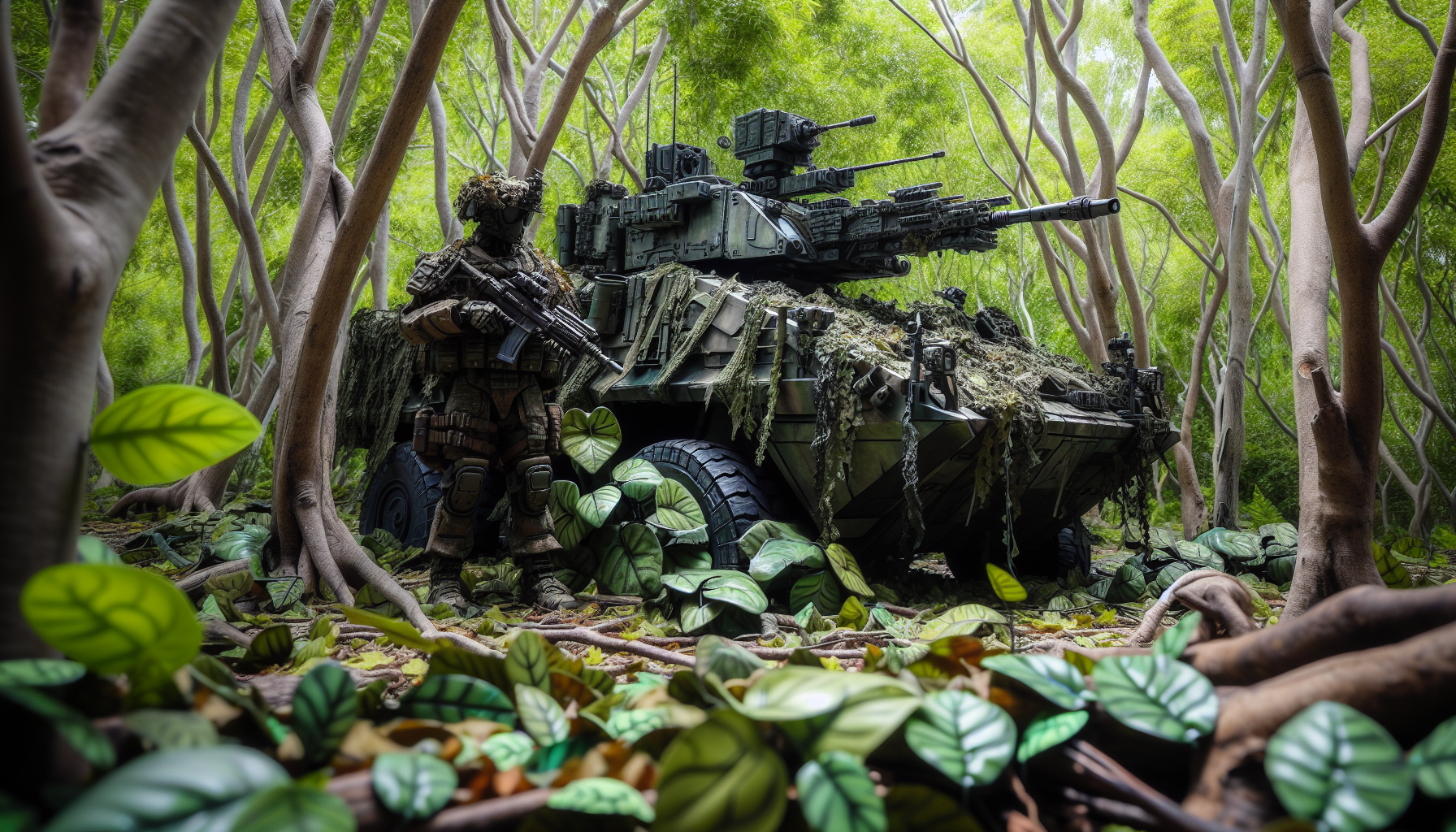
The Art of Deception: Psychological Warfare
Understanding Enemy Perception
The ability to successfully execute deception hinges on a profound understanding of enemy perception. You must appreciate how adversaries interpret signals and information. Conducting thorough analysis of historical encounters can provide insights into how certain tactics have succeeded or failed in misguiding enemy forces. This understanding will allow military strategists to tailor deception methods to exploit gaps in enemy awareness.
Creating False Narratives
Crafting false narratives is a critical component of modern psychological warfare. You will find that influencing public perception, whether through media channels or psychological operations, can manipulate the broader context of engagement. Whether you intend to create confusion or demoralize adversaries, the stories you selectively present shape realities, prompting critical decisions based on false assumptions.
The Impact of Misinformation
In a world increasingly influenced by information exchange, the impact of misinformation cannot be understated. As combatants increasingly operate in a landscape filled with rapid information turnover, you must grapple with the consequences of strategic misinformation. Understanding how misinformation can disrupt operational coherence can offer insights for crafting advanced deception strategies that inherently challenge adversaries’ perceptions and decision-making processes.
Technological Advancements in Decoy Development
Emerging Materials for Better Decoys
You should consider how advancements in materials science can significantly enhance decoy technologies. Emerging materials that mimic the weight, shape, and acoustic properties of real military equipment allow for the production of more convincing decoys. This progress in materials facilitates the deployment of highly effective inflatable tanks and other imitative technologies that can skew enemy awareness effectively.
Integration of AI and Machine Learning
Artificial Intelligence (AI) and machine learning have already started transforming military operations, and their integration into decoy technology could shape the future of warfare. You may observe that AI can optimize the deployment of decoys based on live analytics, allowing for dynamic deception strategies that adapt in real-time to enemy actions. This promising avenue allows for enhanced effectiveness in creating false impressions and misleading enemy commanders.
Future Possibilities of Cyber Decoys
In the future, you might find that the realm of cyber warfare will continue to merge with physical decoys. Cyber decoys could serve to mislead in the digital domain just as physical decoys have done historically. By creating false systems or mimicking infrastructure on digital networks, militaries can engage in a new kind of warfare that spans both physical and virtual arenas.
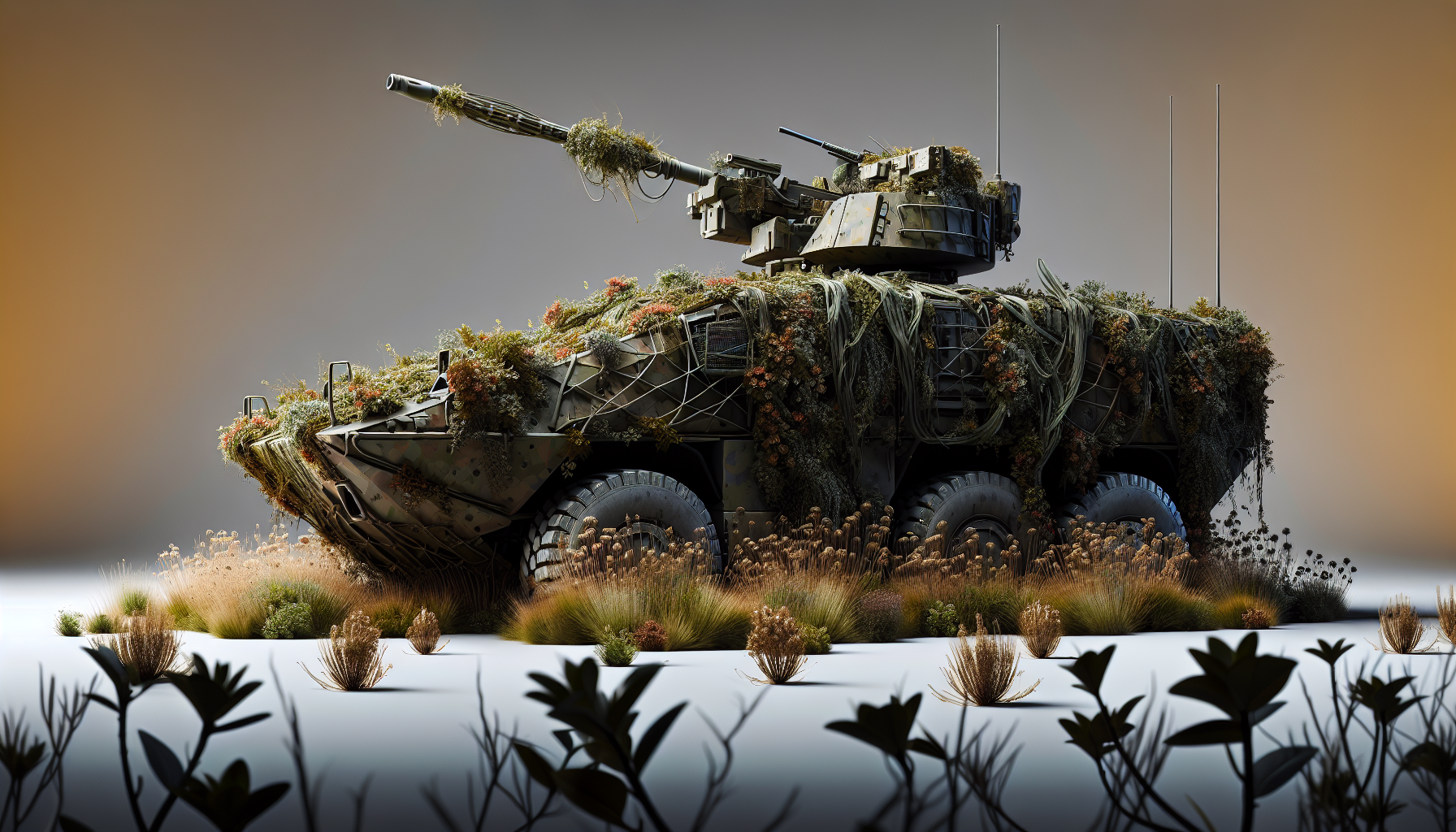
Training and Preparedness: Lessons Learned
Incorporating Decoy Tactics in Military Training
To remain competitive, military training must evolve to incorporate effective decoy tactics. You might find it vital for military institutions to emphasize deception as a core competency in operational preparations. Ensuring that personnel are adepts in employing and countering deception tactics can yield a force that is well-rounded and better prepared for the complexities of modern warfare.
Simulations and Real-World Applications
Utilizing simulations in training can enhance the efficacy of decoy tactics. You will recognize that engaging in realistic war games allows soldiers to practice using decoys in controlled environments. Analyzing performance during these exercises provides invaluable lessons that can fine-tune techniques applicable in actual combat scenarios.
Collaboration with Allies for Improved Tactics
Collaboration and knowledge-sharing among allied forces can amplify the effectiveness of decoy strategies. You should consider fostering partnerships that extend beyond simple execution of tactics, incorporating shared learning experiences related to deception. This synergy can lead to innovative solutions and a more unified response to emergent threats.
Information Warfare: A New Dimension
Decoys in the Realm of Cyber Warfare
In the context of information warfare, decoys serve pivotal roles beyond physical battlefields. You will discover that cyber decoys are utilized to create distractions or confuse adversaries attempting to navigate unknown terrains in the digital landscape. This burgeoning aspect of warfare highlights the intersection between traditional tactics and cutting-edge technology.
Harnessing Social Media for Deception
The proliferation of social media presents unique opportunities for military deception. Utilizing platforms for disinformation campaigns can shape public narratives and perceptions surrounding military operations. You will find that the speed and reach of social media can significantly amplify messages, providing a fertile ground for misinformation to take root.
Case Studies on Information Manipulation
Examining particular case studies on information manipulation reveals effective strategies in modern deception campaigns. You might explore detailed analyses of how information has been weaponized in recent conflicts to confound adversaries. These instances offer critical insights into methods of deception that can inform future military tactics and operations.
International Perspectives on Military Decoys
Decoy Strategies Used by Other Nations
Around the globe, you will find diverse applications of decoy strategies, each nation tailoring its techniques to fit unique operational contexts. By examining these varied approaches, you can draw from a rich tapestry of innovation and success. This international perspective will broaden your understanding of the dynamic landscape of military deception.
Comparing Effectiveness Across Different Militaries
You should consider how different militaries implement decoy strategies and the effectiveness of these tactics in real-world scenarios. Evaluating the relative successes and failures among various nations can provide crucial lessons and benchmarks for developing state-of-the-art deception techniques.
Global Trends and Innovations in Warfare Deception
Finally, you can observe emerging trends in the development of new decoy technologies and strategies worldwide. As military threats continue to evolve, so too must the tactics employed to counter them. Understanding these global innovations will be vital for adapting to emerging challenges in modern warfare.
Conclusion
The Vital Role of Decoys in Modern Warfare
As you have seen throughout this analysis, decoys play a vital role in modern warfare, allowing forces to navigate complex operational theaters with heightened strategic flexibility. Recognizing this significance is paramount for military planners and decision-makers tasked with preparing for future conflicts.
Reaffirming the Importance of Adaptation
The necessity for militaries to adapt to evolving deception tactics cannot be overstated. As adversaries refine their counter-deception strategies, you must emphasize the need for continuous innovation and learning within military ranks. Embracing change will catalyze the adoption of advanced decoy technologies and overall operational effectiveness.
Looking Ahead: The Necessity of Evolution in Military Tactics
In closing, the landscape of warfare will remain fluid and dynamic. You should acknowledge that the evolution of military tactics, particularly in relation to decoys and deception, will be paramount to achieving success in future engagements. Cultivating a culture of innovation and continual adaptation will ensure that military forces can meet emergent challenges head-on, reinforcing the enduring importance of deception as a core element of warfare strategy.