
The article titled “ULTRA – WW2’s Greatest Secret: Battle of the Atlantic” explores the critical role of British codebreakers during World War II, particularly at Bletchley Park. It emphasizes the urgency of deciphering the Naval Enigma code to counter the threat posed by German U-Boats against Allied supply convoys. By shedding light on the innovative intelligence efforts and audacious maritime operations, the narrative highlights the genius of figures such as Alan Turing.
Moreover, the narrative illustrates how the successful breaking of the code not only altered the course of the war but also exemplified a remarkable collaboration of intellect and bravery during one of history’s most perilous times. This examination of intelligence warfare demonstrates the profound impact that cryptography and strategic ingenuity had on the British fight against Nazi Germany.
Historical Context of the Battle of the Atlantic
Overview of World War II
World War II, a monumental conflict that reshaped the global landscape, erupted in 1939 and lasted until 1945. This global war engaged the vast majority of the world’s nations, organized into two opposing military alliances: the Allies and the Axis. The conflict stemmed from unresolved issues from World War I and the subsequent rise of totalitarian regimes in Germany, Italy, and Japan. As the Axis powers sought territorial expansion, the Allies—led by major powers like the United States, the Soviet Union, and Great Britain—united to counter their aggression. The war witnessed unprecedented destruction and loss of life, making it one of the deadliest conflicts in history. Central to this conflict was the Battle of the Atlantic, a prolonged naval campaign that sought to control the vital supply routes across the Atlantic Ocean.
Strategic Importance of the Atlantic Ocean
The Atlantic Ocean served as not only a geographical barrier but also as a crucial lifeline during World War II. For Great Britain, isolated and under constant threat from German forces, the ocean was the primary conduit for supplies, equipment, and reinforcements from North America. Control of the Atlantic meant control of these critical supply lines. Conversely, for Germany, dominating the Atlantic would severely disrupt Allied logistics, effectively strangling Britain’s capacity to sustain its war effort. Thus, the struggle for supremacy in the Atlantic became synonymous with the broader war aims of both sides, with victory depending on the ability to secure maritime routes while thwarting enemy operations.
Role of Great Britain and Germany
In the early stages of World War II, Great Britain stood largely alone against the Axis powers following the fall of France in 1940. The Royal Navy, while historically formidable, faced a new challenge from the German Kriegsmarine, particularly its fleet of U-boats, or submarines. The Germans sought to utilize their U-boats to create a “wolf pack” strategy that targeted and sank Allied merchant ships. For Great Britain, maintaining its vital shipping lanes was paramount, leading to the realization that the outcome of the war could hinge on the Battle of the Atlantic.
German U-Boats: The Underwater Threat
Development and Capabilities of U-Boats
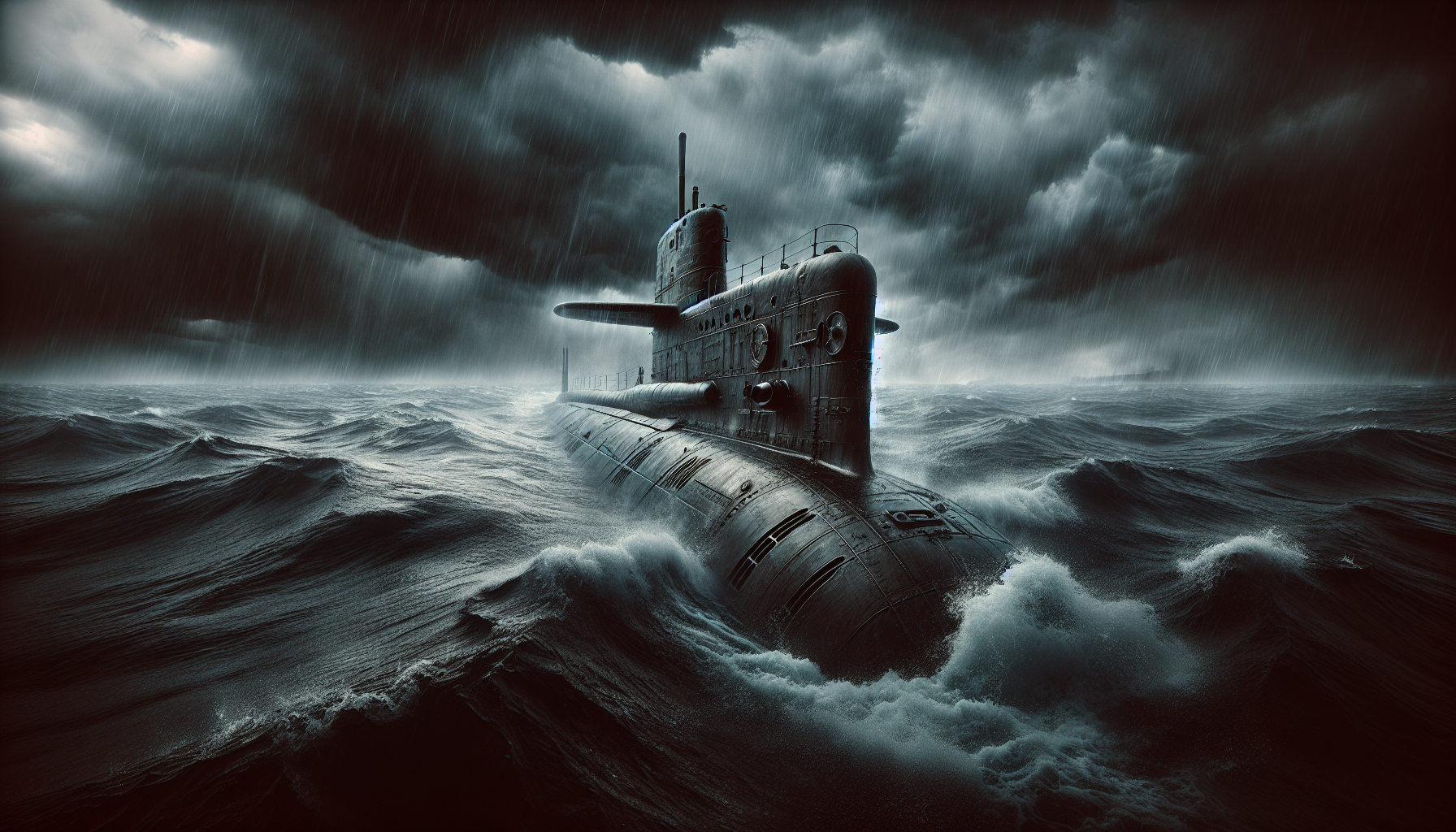
The German U-boat fleet, a hallmark of maritime warfare, represented a formidable innovation in naval strategy. Initially designed for reconnaissance during World War I, the U-boat evolved into a lethal weapon in World War II. The development of the Type VII U-boat, a model launched in the 1930s, showcased advancements in speed, endurance, and firepower. German submarines could remain submerged for extended periods, making them difficult to detect and allowing them to strike unexpectedly. Their torpedoes, enhanced with advancements in guidance systems, became capable of sinking even the largest of Allied vessels.
Tactics Employed by German Submarines
The tactical deployment of U-boats was defined by the “wolf pack” strategy, where multiple submarines coordinated attacks on Allied convoys. This approach sought to overwhelm the escorts protecting merchant ships, capitalizing on the element of surprise and the chaotic nature of nighttime attacks. Furthermore, U-boats often used their stealth characteristics to approach closely before launching torpedoes, maximizing their chances of inflicting damage while minimizing their exposure to counterattacks. This relentless pursuit of Allied shipping disrupted supply chains and instilled fear within naval operations across the Atlantic.
Impact on Allied Shipping
The impact of U-boats on Allied shipping was significant and far-reaching. As the German submarine campaign intensified in the early 1940s, the Allies faced substantial losses, with hundreds of merchant vessels sinking. This disruption threatened to choke off the supplies essential for the survival of Britain and the broader war effort. The psychological effect of U-boat attacks further hampered morale, leading to a growing sense of vulnerability among Allied forces. Recognizing the urgency of the situation, Allied strategists sought effective means to combat this underwater threat.
The Allied Convoy System

Importance of Supply Routes to Britain
As the war progressed, securing supply routes to Britain emerged as a strategic imperative. The Allied Convoy System was instituted to safeguard merchant ships, grouping them into protected formations that traveled together across the Atlantic. These convoys, escorted by warships, aimed to mitigate the risk posed by U-boats, enhancing the efficiency of logistics while countering enemy tactics. The organization of these supply routes became critical for maintaining Britain’s war capability and ensuring the timely delivery of essential resources.
Structure and Organization of Convoys
The structure of the Allied Convoy System was meticulously planned. Merchant vessels traveling along defined routes would be grouped based on their destination and loaded cargo, forming convoys that typically comprised dozens of ships. These formations were accompanied by destroyers and cruisers, which provided a defensive layer aimed at detecting and deterring U-boat attacks. The Navy’s strategic deployment of escort ships played a vital role in enhancing the security of the convoys, as they patrolled both ahead and around the flanks to create a protective bubble.
Defensive Measures Against U-Boat Attacks
Defensive measures taken by the Allies included not only the convoy system but also the deployment of advanced technology and tactics to identify and combat submarines. The introduction of depth charges, sonar technology, and improved anti-submarine warfare tactics represented a significant evolution in the Allies’ naval capabilities. The use of escort carriers, which provided air support and reconnaissance on convoys, further strengthened the Allies’ ability to track and deter U-boats. Coordination between naval forces and advancements in technology became key components in the ongoing struggle for control over the Atlantic.
Codebreaking Efforts at Bletchley Park
Introduction to the Enigma Machine
At the heart of the Allied response to the U-boat threat lay the codebreaking efforts at Bletchley Park, where intellectual rigor met wartime urgency. Central to the German naval communication system was the Enigma machine, an advanced encryption device that enabled secure and complex transmission of maritime orders. Each message encoded with the Enigma was theoretically indecipherable, representing a significant challenge for Allied intelligence. However, the race to crack this code became a focal point of military strategy, with the potential to alter the course of the war.
Key Figures in Codebreaking Efforts
Among the key figures in this endeavor was Alan Turing, a mathematician and logician whose groundbreaking work would prove instrumental in the codebreaking efforts at Bletchley Park. Turing’s insights into the weaknesses of the Enigma code, along with his development of early computing methods, laid the groundwork for systematic approaches to codebreaking. The collaborative effort at Bletchley included a diverse group of mathematicians, linguists, and cryptographers who worked tirelessly to intercept and analyze messages, each contributing an essential piece to the puzzle.
Methods Used to Intercept and Decode Messages
The methods employed by the team at Bletchley Park involved a combination of theoretical approaches and practical ingenuity. Using known German naval practices, the analysts would look for patterns and repetitions in the intercepted messages, which allowed them to make educated guesses about specific key settings. This process was supplemented by developing early computing machines, notably the Bombe, which could automate parts of the decoding process. This innovative blend of human intelligence and emerging technology enabled the Allies to decipher crucial communications, paving the way for strategic countermeasures against U-boats.
ULTRA: The Secret Intelligence Advantage
Definition and Origins of ULTRA Intelligence
ULTRA intelligence refers to the information gleaned from the decrypted communications of the Axis powers, particularly from the insights gained through the interception of Enigma-encrypted messages. The term “ULTRA” captured the significant advantage that the Allies acquired through their codebreaking efforts. The intelligence produced at Bletchley Park not only provided timely warnings about U-boat movements but also revealed broader strategic plans of the enemy. This marked a turning point in the technological warfare landscape, wherein information superiority became as vital as traditional military might.
Significance of ULTRA in Military Strategy
The advantages afforded by ULTRA had profound implications for military strategy throughout the war. Armed with insights from intercepted communications, Allied commanders could adapt their tactics in real-time, enhancing the effectiveness of naval operations against U-boats. Decisions on convoy routes, alterations in anti-submarine warfare strategies, and the timing of counteroffensives were all informed by ULTRA intelligence. This intelligence acted as a force multiplier, allowing the Allies to capitalize on their advantages while adapting to the fluid dynamics of the maritime battlefield.
Successful Operations Resulting from ULTRA
Several successful operations can be attributed directly to the exploitation of ULTRA intelligence. Notably, in 1941, the intelligence revealed U-boat wolf pack formations, allowing Allied forces to reroute convoys and minimize losses. The ability to anticipate enemy movements transformed the naval landscape of the Atlantic, as the Allies steadily gained the upper hand. These successes exemplified the critical nature of intelligence work in shaping military outcomes, validating the investment in codebreaking and strategic information.
Alan Turing and His Contributions
Turing’s Role in Codebreaking
Alan Turing’s contributions extend far beyond the realm of mathematics; he became one of the pivotal figures in breaking the German naval codes at Bletchley Park. Turing’s analytical prowess and his innovative approach to computation, including the formalization of algorithms, set him apart as a leader in the codebreaking efforts. By devising methods to efficiently test potential Enigma settings, Turing’s work enabled quicker and more effective codebreaking, thus saving countless lives and resources in naval operations.
Inventions and Innovations by Turing
Turing’s innovations were not limited to cryptography; he laid the foundations for modern computing with his concept of the Turing machine, a theoretical construct that helped define algorithmic processes. This theoretical groundwork would later be instrumental in the design of actual computing machines used during the war. The Bombe, a machine designed to expedite the process of breaking Enigma codes, was a direct result of Turing’s ingenuity, reflecting his ability to bridge theory and practical application in a time of dire need.
Post-war Legacy and Recognition
Post-war, Turing’s contributions remained largely unrecognized for decades, overshadowed by the immediate post-war priorities of rebuilding nations and grappling with the Cold War. However, in recent years, Turing has received increasing acknowledgment for his groundbreaking work in mathematics, computer science, and artificial intelligence. His legacy extends not only through his wartime achievements but also through his influence on the development of computing as a discipline, establishing him as one of the most important figures in 20th-century history.
Key Naval Battles in the Atlantic

Battle of the Atlantic Overview
The Battle of the Atlantic spanned from 1939 to the defeat of Nazi Germany in 1945, encompassing an array of engagements between German U-boats and Allied naval forces. This continual contest for control of the Atlantic established it as a central front in World War II. With the stakes constantly rising, both sides adapted to each other’s tactics in a relentless struggle that would shape the course of the conflict.
Notable Engagements and Their Outcomes
Key engagements would punctuate the narrative of the Battle of the Atlantic, such as the First and Second Battles of the Atlantic, where shifts in momentum typified the struggle. Notably, the Battle of Convoy PQ17 in 1942 exemplified the dangers of Allied logistics, as poor decisions led to significant losses for the Allies. Conversely, as the Allies gained intelligence superiority through ULTRA, they began to achieve notable victories, such as the sinking of several high-profile U-boats that weakened their ranks.
Role of Aircraft Carriers and Escort Ships
Throughout the Battle of the Atlantic, aircraft carriers and escort ships emerged as pivotal elements of naval strategy. The introduction of escort carriers, capable of providing air cover for convoys, transformed the nature of naval engagements. Their aircraft could conduct reconnaissance and engage U-boats from the air, marking a significant evolution in naval warfare. These developments highlighted the increasing importance of maintaining air superiority over maritime operations, ensuring that Allied vessels could traverse the Atlantic with greater security.
Technological Advancements During the War
Innovations in Naval Warfare
World War II was characterized by rapid advancements in naval warfare technology. The conflict necessitated innovation, leading to improvements in ship design, weaponry, and surveillance capabilities. The introduction of radar technology transformed naval engagements, allowing for better detection of enemy vessels and enhancing the efficacy of protection for convoys. The embrace of these technologies would usher in a new era of naval combat, rendering pre-war strategies obsolete.
Development of Sonar and Radar
The rapid development of sonar and radar during the war represented a watershed moment in maritime operations. Sonar allowed for the detection of submerged submarines, adding a crucial layer to anti-U-boat tactics. Radar, on the other hand, provided overarching surveillance capabilities, enabling naval forces to monitor large ocean areas in real-time. These technological advancements created a paradigm shift, highlighting the integration of aerial and maritime strategies in pursuit of victory in the Atlantic.
Impact of Aircraft Technology on Naval Battles
The evolution of aircraft technology during the war had profound implications for naval battles. Advancements in fighter planes and bombers extended the reach of naval forces, allowing for offensive operations against enemy ships and U-boats from the air. Notably, innovations like the Long Range Aircraft contributed to the ability to conduct strategic bombing campaigns against key enemy targets, signaling a tactical evolution that placed greater emphasis on the interplay between land, air, and sea capabilities.
Consequences of the Battle of the Atlantic
Impact on Allied Logistics and Morale
The consequences of the Battle of the Atlantic were far-reaching, significantly impacting both Allied logistics and morale. Ultimately, the Allied victory in the Atlantic secured supply routes to Britain, ensuring the successful resourcing of military operations. However, the battle also came at a cost, with high casualties and losses weighing heavily on the public perception of the war effort. The fluctuations in logistics created crises and required strategic adaptation, making the outcome of this campaign a crucial element in sustaining morale among Allied nations.
The Shift in Naval Warfare Strategies
The Battle of the Atlantic instigated a shift in naval warfare strategies that would inform post-war military doctrine. The necessity for intelligence, coordination between air and sea forces, and the incorporation of advanced technology became foundational tenets of naval strategy. As the war progressed and lessons were learned, the significance of adaptability became clear, influencing how post-war naval forces prepared for future conflicts.
Long-term Effects on Post-war Naval Tactics
The strategies and technologies that emerged from the Battle of the Atlantic laid the groundwork for future naval operations, shaping tactics during the Cold War and beyond. The lessons learned from the interplay of intelligence, technological advancement, and maritime tactics became essential elements of modern naval warfare. As nations prepared for new challenges, the experiences gleaned from the Atlantic influenced the design and execution of naval strategies that sought to ensure control of the seas.
Conclusion
Summary of Major Points
In summary, the Battle of the Atlantic was a defining aspect of World War II, with deep implications for military strategy and the ultimate outcome of the conflict. German U-boats posed a substantial underwater threat, necessitating the development of the Allied convoy system and defensive innovations. The groundbreaking codebreaking efforts at Bletchley Park and the significance of ULTRA intelligence proved pivotal in turning the tide of the maritime battle. As key figures like Alan Turing emerged alongside notable naval engagements and technological advancements, the Atlantic became the theater of innovation and adaptation.
The Lasting Legacy of the Battle of the Atlantic
The legacy of the Battle of the Atlantic continues to resonate in military history. This critical campaign highlighted the evolving nature of warfare, emphasizing the paramount importance of intelligence, technological advancement, and coordination among forces. The lessons learned underscored the need for nations to continuously adapt and innovate in response to emerging threats.
Importance of Intelligence in Warfare
Finally, the Battle of the Atlantic epitomizes the essential role of intelligence in modern warfare. The interplay between codebreaking, enhanced logistics, and strategic planning underscored the need for robust intelligence capabilities as a critical component of military operations. As history continues to unfold, the significance of these elements remains a powerful reminder of the complexity and interdependence inherent in warfare.