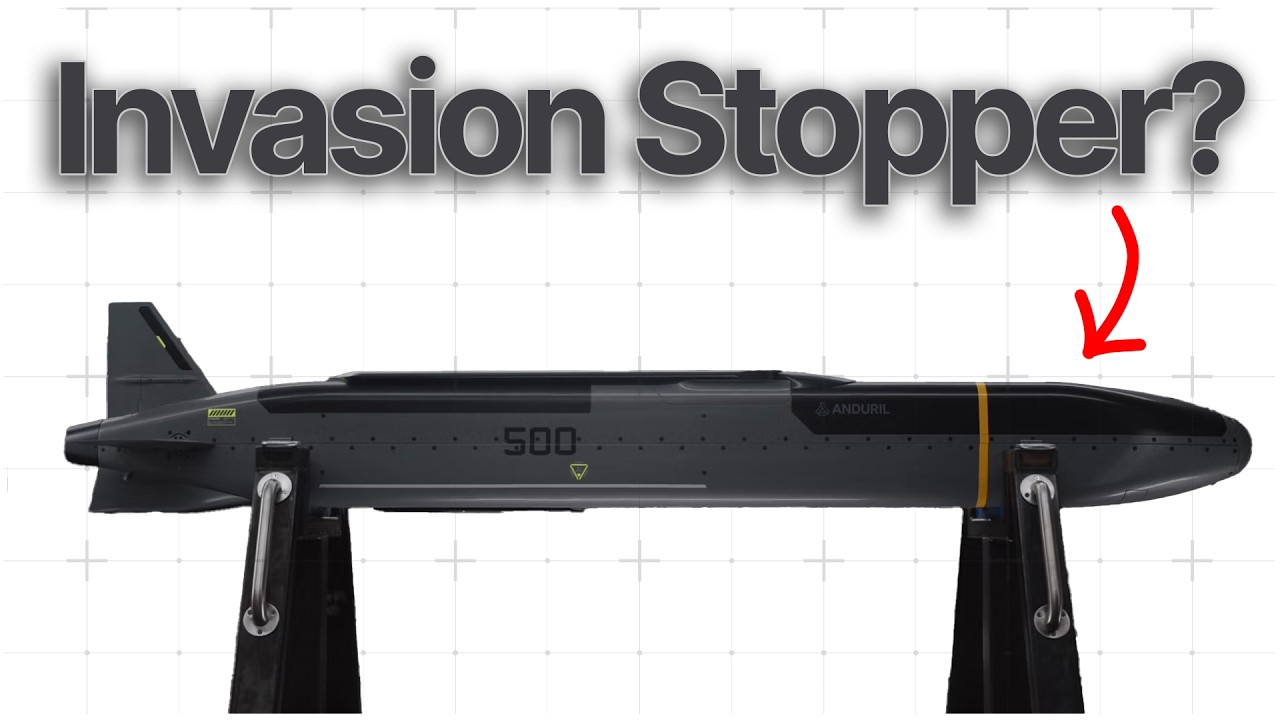
As hostilities increase in the Taiwan Strait, Taiwan’s strategic defenses are evolving, particularly with the introduction of the Barracuda-500 cruise missile. Designed by the U.S. defense technology firm Anduril, this low-cost and long-range weapon aims to enhance Taiwan’s ability to repel potential invasion efforts. This article explores the significance of the Barracuda-500, focusing on its operational features, production methods, and the broader implications for regional security dynamics.
The analysis encompasses Taiwan’s rationale for mass production of this advanced missile system, its technical capabilities, and the countermeasures China is implementing in response. By examining the Barracuda-500’s unique attributes, including autonomy and electronic warfare capabilities, this discussion offers insights into a new paradigm for island defense. Ultimately, the examination underscores the critical role of innovation in shaping military preparedness amid escalating tensions.
Comprehensive Analysis of Taiwan’s Defense Strategy and the Barracuda-500 Missile
Overview of Taiwan’s Defense Strategy
History of Taiwan’s Military Preparedness
Taiwan’s military history has been shaped by its enduring struggle for sovereignty amidst the looming presence of China. Since its retreat to the island in 1949 after the Chinese Civil War, Taiwan has established a robust defense lineage, transitioning from a reliance on foreign military support, predominantly from the United States, to a more self-sufficient approach. As you reflect on this historical trajectory, it is crucial to recognize the pivotal moments such as the Taiwan Relations Act of 1979 and subsequent military advancements that have contributed to its current state of preparedness. Over decades, Taiwan has invested in developing indigenous weapon systems, reinforcing both its deterrence capabilities and its strategy of asymmetric warfare designed to counterbalance the overwhelming numerical superiority of the Chinese military.
Current Geopolitical Tensions in the Taiwan Strait
As you analyze the contemporary landscape, it becomes evident that the Taiwan Strait is fraught with escalating tensions exacerbated by China’s assertive military posture and increasing assertiveness in claiming Taiwan as part of its territory. In recent years, you have likely observed heightened military exercises, naval blockades, and diplomatic strains as China seeks to assert its influence in the region. The U.S. commitment to supporting Taiwan through arms sales and military training enhances your understanding of the geopolitical complexities at play. This dynamic not only intensifies the security dilemma between China and Taiwan but also places the broader Indo-Pacific region on edge, as various international stakeholders weigh their strategic interests against the backdrop of potential conflict.
Taiwan’s Strategic Objectives for Self-Defense
Taiwan’s defense strategy is grounded in a multifaceted approach aimed at ensuring its survival and sovereignty. As you consider these objectives, it becomes clear that Taiwan strives for deterrence, resilience, and rapid military response capabilities. The strategic doctrine emphasizes asymmetric warfare, leveraging technology and international partnerships to compensate for its limited military resources. An essential element of this strategy is the promotion of innovative weapons systems such as the Barracuda-500 missile, which aligns with Taiwan’s goal of demonstrating credible deterrence against potential Chinese aggression while safeguarding its democratic values and regional stability.
Introduction to the Barracuda-500 Missile
Origin and Development by Anduril Industries
The Barracuda-500 missile stands as a testament to Taiwan’s innovative defense approach. Developed by Anduril Industries, a prominent U.S. defense technology firm, this missile is engineered to enhance Taiwan’s self-defense capabilities. You may note that Anduril’s commitment to integrating advanced technology into military systems plays a pivotal role in shaping Taiwan’s defense landscape. Designed for domestic production under Taiwanese directives, the Barracuda-500 stands as a symbol of Taiwan’s determination to bolster its military independence and technological sovereignty.
Specifications and Capabilities of the Barracuda-500
The Barracuda-500 is characterized by its compact design, long-range capabilities, and cost-effective production process. With a range of over 500 kilometers, it allows Taiwan to project power while minimizing risks to its air defenses. This missile is capable of engaging multiple maritime targets through its sophisticated targeting systems and swarming technology. You will find the missile’s unique engineering features remarkable, as they represent a leap forward in Taiwan’s ability to challenge adversary forces in the region.
Cost-Effectiveness Compared to Traditional Missiles
In light of rapidly evolving military technologies, the Barracuda-500’s development reflects Taiwan’s emphasis on cost-effective weapons procurement. Traditional missiles typically require substantial investment and resources, limiting the scope and scale of military preparedness. The Barracuda-500, with its lower production costs and high efficiency, allows Taiwan to pursue a strategy of mass production without overextending its military budget. This economic consideration underscores a broader defense innovation landscape in which technology and affordability are seamlessly integrated.

Mechanics of the Barracuda-500
Design and Engineering Features
As you delve deeper into the missile’s architecture, you will notice that the Barracuda-500 integrates modular design principles that enhance its adaptability and operational efficiency. Every aspect of its engineering serves a strategic purpose, from its streamlined profile to minimize radar detection to its adaptive payload capabilities, which can be calibrated for various mission-specific needs. These design intricacies not only facilitate quick adjustments to emerging threats but also place Taiwan at the forefront of responsive military technology.
Autonomous Navigation and Target Acquisition
The Barracuda-500 employs cutting-edge autonomous navigation systems that allow it to traverse complex environments while effectively avoiding countermeasures. As you explore these systems, consider how such capabilities provide Taiwan with a vital edge in combat scenarios. Enhanced target acquisition algorithms enable the missile to distinguish between military targets and civilian assets, reinforcing Taiwan’s commitment to minimizing collateral damage in any potential conflict while optimizing strike precision.
Swarming Capabilities and Operational Scenarios
One of the most striking features of the Barracuda-500 is its swarming capability, allowing multiple missiles to coordinate their attacks through shared algorithms. This feature is critical in overcoming traditional defenses, as a massed swarm can overwhelm radar and interception systems. When contemplating operational scenarios, you might visualize swarming deployments that create overwhelming tactical advantages, striking decisively against larger naval forces, thereby redefining the rules of engagement within the Taiwan Strait.
Military Implications for Taiwan
Increased Deterrence Against Chinese Aggression
The introduction of the Barracuda-500 missile significantly enhances Taiwan’s deterrence posture against potential Chinese aggression. As you assess its implications, consider how this new capability alters the calculus for Chinese military planners who must now account for a credible threat that could disrupt their invasion plans. The sense of deterrence instilled by the Barracuda-500 serves not only as a military asset but also as a statement of Taiwan’s resolve and resilience.
Impact on Taiwan’s Military Doctrine
The integration of the Barracuda-500 into Taiwan’s military framework heralds a paradigm shift within its military doctrine. Traditional defense strategies reliant on static forces and conventional arms are now supplemented with agile, technologically advanced systems that can operate independently across multiple domains. This evolution requires ongoing training and adjustments to operational procedures, ensuring that Taiwan’s military remains adept in leveraging this new weapon’s capabilities to secure its national interests.
Integration with Existing Defense Systems
You might find that Taiwan’s emphasis on interoperability among its defense mechanisms underscores an essential aspect of its military preparedness. The Barracuda-500 is designed to function alongside existing defense systems, creating a robust networked environment that fosters real-time data sharing and enhanced situational awareness. By prioritizing integration, Taiwan ensures a comprehensive defense posture that can adapt to shifting realities in the Taiwan Strait while optimizing resource utilization.
Operational Strategies for the Barracuda
Palletized Launchers for Rapid Deployment
To maximize the Barracuda-500’s operational effectiveness, Taiwan has developed palletized launch systems that facilitate quick and flexible deployment. As you ponder the implications of these systems, consider how rapid readiness can be a decisive factor in effectively responding to imminent threats. The ability to launch from various platforms and locations further enhances the unpredictability of its operational deployment, a critical attribute in asymmetric warfare.
Multilateral Coordination with Allied Forces
In light of Taiwan’s precarious position, coordination with allied forces is paramount. You will appreciate that the successful deployment of Barracuda-500 is not solely a matter of technological capability, but also about strategic partnerships. Ongoing dialogues with allies, particularly the United States, are crucial in shaping joint operational concepts and ensuring that Taiwan’s defense initiatives are synchronized with the broader security architecture in the Indo-Pacific region.
Real-Time Data Sharing and Battlefield Integration
Incorporating advanced data-sharing technologies into operational strategies represents another significant advantage of the Barracuda-500. This capacity allows for enhanced decision-making based on assessed environmental intelligence, facilitating coordinated responses during crises. For you, it’s evident that the integration of real-time data management systems not only streamlines command and control processes but also amplifies the overall effectiveness of Taiwan’s military actions.
China’s Response to the Barracuda-500
Assessment of Chinese Military Capabilities
As you explore the dynamics of Taiwan’s defense landscape, it’s important to evaluate the capabilities of the Chinese military. China possesses extensive resources and robust technological advancements, including the development of advanced air defense systems designed to counteract threats like the Barracuda-500. Strategic investments in precision-guided munitions, naval expansion, and cyber warfare capabilities signify a formidable challenge that Taiwan must recognize and address.
China’s Countermeasures and Defense Innovations
In response to advances like the Barracuda-500, you will find that China’s military apparatus is unlikely to remain passive. Initiatives aimed at developing countermeasures—ranging from electronic warfare systems to enhanced naval defenses—illustrate China’s commitment to neutralizing perceived threats from Taiwan. This ongoing arms race underscores the importance of continual innovation and adjustment in Taiwan’s defense strategies.
Geostrategic Ramifications for the Region
The ripple effects of the Barracuda-500’s introduction extend beyond Taiwan, influencing regional security dynamics. You might note that heightened tensions often provoke retaliatory measures and shifts in alliances, potentially altering the balance of power within the Indo-Pacific. As more nations recognize Taiwan’s strategic importance, they may also consider adjustments to their military postures—further complicating an already dynamic geopolitical environment.
The Future of Taiwan’s Military Technology
Trends in Military Innovation and Procurement
As you analyze the forward trajectory of Taiwan’s military capabilities, it becomes evident that the landscape of military technology is evolving rapidly. Taiwanese defense initiatives increasingly emphasize innovation, incorporating cutting-edge technologies such as artificial intelligence, cyber capabilities, and renewable energy solutions into their arsenal. These trends will assist in developing systems that reinforce Taiwan’s independence while ensuring that its military remains agile and adaptive in the face of emerging challenges.
Collaborations with U.S. Defense Technology
You should consider that ongoing collaborations with U.S. defense firms are pivotal to Taiwan’s technological advancements. This relationship allows for knowledge transfer and investment in indigenous capabilities while embedding Taiwanese defenses within the wider framework of U.S. regional security policy. Such partnerships enhance Taiwan’s access to advanced technologies, fortifying its self-defense capabilities and ensuring robust regional cooperation.
Possibilities for Mass Production and Export
With the introduction of the Barracuda-500, Taiwan stands on the precipice of potentially transforming its defense industry into an export-oriented enterprise. The feasibility and efficiency of mass production not only solidify Taiwan’s defense posture but may also give rise to newfound economic opportunities through defense exports. This could elevate Taiwan’s standing in the international defense market, further empowering its strategic autonomy.
International Reactions and Support
U.S. Stance on Taiwan’s Defense Initiatives
You will find the U.S. position on Taiwan’s defense initiatives to be a significant element in shaping regional stability. The United States views Taiwan’s military modernization, exemplified by the Barracuda-500, as aligned with its own security interests in the Indo-Pacific. Continued arms sales and diplomatic support signal a robust commitment to Taiwan’s defense, emphasizing a counterbalance to China’s regional ambitions.
Allied Responses to Concerns Over China
International reactions to Taiwan’s military developments encompass a range of considerations. Allied nations, particularly those in the Asia-Pacific region, are increasingly vocal about their concerns regarding China’s assertiveness. Your analysis should reflect how these regional allies may view Taiwan’s military advancements as bolstering their own security frameworks, promoting collective security agreements that reinforce deterrence.
Diplomatic Implications of Military Investments
For you, the interplay between military investments and diplomatic actions is particularly salient. Increased military capabilities often lead to broader geopolitical negotiations and influence. As Taiwan enhances its defense posture through systems like the Barracuda-500, it may garner greater international support while simultaneously elevating its diplomatic leverage in discussions surrounding its sovereignty and security arrangements.
Potential Outcomes of an Escalation
Scenarios for Conflict in the Taiwan Strait
As you contemplate the potential scenarios for conflict in the Taiwan Strait, you might envision numerous flashpoints that could trigger military confrontations. From aggressive military maneuvers by China to diplomatic provocations, each scenario carries its complexities and repercussions. The introduction of the Barracuda-500 could serve as a visible deterrent; however, it also raises the stakes involved in any miscalculation or escalation.
Impact on Regional Stability and Security
The presence of advanced military technologies like the Barracuda-500 has implications for regional security and stability. You may reflect on how such advancements could either function as deterrents or contribute to an arms race that destabilizes the status quo. The challenge lies in balancing defense preparedness with diplomatic efforts to avert conflict, ensuring that military posturing does not lead to unintended consequences.
Long-term Consequences for Global Trade and Politics
Taiwan’s military advancements hold significant consequences for global trade dynamics and geopolitical relations. The Taiwan Strait is a crucial artery for international trade; thus, any conflict scenarios could disrupt supply chains and impact global markets. As you evaluate these repercussions, consider how heightened tensions may influence international policy, economic cooperation, and alignments among major powers for the foreseeable future.
Conclusion
Summary of the Barracuda-500’s Strategic Importance
In conclusion, the Barracuda-500 missile emerges as an integral component of Taiwan’s strategic defense framework. You have examined how its development not only signifies Taiwan’s commitment to bolstering its self-defense capabilities but also highlights its intention to redefine its military doctrine in response to evolving threats. The missile acts as lifeblood for Taiwan’s military innovation, reinforcing its deterrence posture against an increasingly complex geopolitical landscape.
Reflection on Taiwan’s Defense Future
As you reflect on Taiwan’s defense future, it is evident that the ongoing evolution of military technology will continue to shape its strategic choices. The path forward combines the intricacies of technological advancement with geopolitical realities, requiring Taiwan to remain vigilant and adaptable. The continued development of indigenous defense systems, including the Barracuda-500, signifies Taiwan’s resolve to assert its sovereignty in a challenging environment.
Final Thoughts on Regional Peace and Security
Ultimately, the journey toward regional peace and security hinges upon the interplay of military capabilities, diplomacy, and international cooperation. For you, the importance of dialogue and engagement with both allies and adversaries cannot be overstated. As Taiwan navigates the turbulent waters of the Indo-Pacific security landscape, a balanced approach that prioritizes deterrence while fostering diplomatic relations will be essential in advancing lasting peace and stability in the region.