
The Napoleonic Wars remain a seminal chapter in European history, particularly marked by Napoleon’s audacious invasion of Russia in 1812. Your exploration of this campaign unveils the complexities behind one of history’s most significant military endeavors, illustrating how geopolitical tensions and diplomatic failures set the stage for unprecedented conflict. The article will examine the composition and size of Napoleon’s forces, the tactical decisions made in response during the invasion, and the catastrophic consequences that followed as the campaign unfolded amid harsh conditions.
Central to your understanding will be the examination of the Russian scorched earth strategy, which thwarted Napoleon’s supply lines, alongside the myriad challenges faced by his multinational army. The analysis will highlight the operational failures, the adaptation difficulties prompted by the Russian terrain and weather, and the ultimate repercussions for both Napoleon and Europe at large. Through this lens, the article seeks to provide a nuanced perspective on the ramifications of this ill-fated invasion, contributing to a deeper comprehension of military strategy and national endurance under duress.
The Context of the Napoleonic Wars

Overview of the Napoleonic Wars
The Napoleonic Wars, spanning from 1803 to 1815, represent a significant series of conflicts involving various European nations. Under the leadership of Napoleon Bonaparte, France sought to dominate Europe through expansionist policies and military campaigns. Characterized by revolutionary ideologies, shifting alliances, and battles of unprecedented scale, these wars redefined territorial governance and reshaped national boundaries. The backdrop of the Napoleonic Wars includes the earlier Revolutionary Wars, which had already sown the seeds of conflict across Europe.
Political Motivations Behind the Wars
At the heart of the Napoleonic Wars were complex political motivations. Napoleon aimed to spread the ideals of the French Revolution: liberty, equality, and fraternity. However, these ideals often masked a pursuit of power that led him to seek control over Europe. Nations such as Britain, Russia, Prussia, and Austria viewed Napoleon’s ambitions as a threat to the existing monarchic order. The intricate web of alliances and enmities shaped the geopolitical landscape, leading to a series of coalitions against France. The struggle for dominance, both politically and militarily, ultimately fueled the ongoing conflicts.
Key Players and Alliances
Throughout the Napoleonic Wars, various nations formed alliances and coalitions that reflected their interests, often shifting dramatically over time. Key players included Napoleon Bonaparte himself, along with leaders like Tsar Alexander I of Russia, King Frederick William III of Prussia, and Emperor Francis II of Austria. The various coalitions, particularly the Third Coalition (1805) and the Sixth Coalition (1813-1814), showcased the increasingly collective efforts of European powers to counteract French hegemony. These alliances were often tenuous and marked by mutual distrust, complicating the landscape of European politics.
Tensions Between France and Russia
The Treaty of Tilsit and Its Fallout
The Treaty of Tilsit, signed in July 1807, marked a temporary reconciliation between France and Russia after the defeat of Prussia. However, this treaty sowed the seeds of future discord. Both nations emerged as reluctant allies, with France securing territorial gains at the expense of Prussia, and Russia agreeing to join the Continental System—a blockade aimed at crippling Britain’s economy. While initially beneficial, the treaty ultimately led to rising tensions, particularly as Napoleon’s ambitions began to clash with Tsar Alexander’s national interests.
Economic Strain: The Continental System
The Continental System was Napoleon’s cornerstone strategy to weaken Britain economically. However, this naval blockade proved to be economically burdensome for other European countries, including Russia. The imposition of this system placed significant strain on Russian trade, leading to smuggling and dissent within the Russian Empire. As economic pressures mounted, so did Russian resentment towards French interference in its affairs, ultimately pushing Russia away from the alliance forged at Tilsit.
Personal Rivalries and Diplomacy
The personal dynamics between Napoleon and Tsar Alexander I complicated diplomatic relations. What began as a cordial relationship, marked by an intention to solidify alliances through potential marriage ties, quickly deteriorated. The breakdown of this early camaraderie came as both leaders accused one another of insincerity. Napoleon’s subsequent territorial ambitions, especially concerning the Grand Duchy of Warsaw, heightened Russian suspicions, profoundly impacting diplomatic negotiations and leading to the outbreak of hostilities.
Preparation for Invasion
Napoleon’s Strategic Planning
Recognizing the immense challenge of invading Russia, Napoleon meticulously laid out a strategic plan, intending to leverage the vast resources and manpower of his Grand Army—approximately 600,000 men. His strategy involved a rapid advance into the heart of Russia, aiming to deliver a decisive blow to compel Tsar Alexander to negotiate peace. However, overconfidence in his tactical prowess may have overshadowed the dire realities of logistics, terrain, and the sheer scale of the Russian landscape.
The Formation of La Grande Armée
La Grande Armée, Napoleon’s formidable military apparatus, comprised soldiers from various allied states, reflecting the vast reach of the French Empire. While this multi-national composition provided impressive numbers, it also presented significant challenges. The cohesion and discipline associated with the French troops were frequently compromised by the mixed allegiances and differing motivations of foreign contingents. This lack of unity within the ranks became increasingly problematic as the campaign progressed.
Challenges of Logistics and Supplies
The logistics of supplying a massive army across the sprawling and often inhospitable terrain of Russia proved to be a monumental undertaking. Underestimating the difficulties of transporting provisions and reinforcements, Napoleon’s campaign soon encountered critical supply issues. The poor infrastructure, compounded by adverse weather conditions, severely hampered the movement of supplies, leaving the troops vulnerable and leading to a deterioration of morale even before major engagements commenced.
Initial Stages of the Campaign
Crossing the Neman River
On June 24, 1812, Napoleon executed his initial strategic maneuver by crossing the Neman River into Russian territory, a pivotal moment marking the onset of the invasion. Despite the grandeur of the army and the meticulous planning, the crossing took five days, highlighting the logistical challenges that would plague the campaign. This complex operation set the tone for the ensuing engagement, revealing initial signs of the operational difficulties that would emerge as the campaign unfolded.
French Army’s Advance into Russia
As the French army advanced further into Russia, their initial momentum was palpable. Boldly pursuing the retreating Russian forces, Napoleon aimed to engage decisively and force a swift conclusion to the campaign. However, the Russians, adhering to a systematic withdrawal strategy, continuously denied the French a major confrontation, utilizing the terrain and psychological warfare to frustrate Napoleon’s advances.
Russian Military Strategy: Scorched Earth Tactics
In response to the French invasion, Russian commanders implemented a scorched earth strategy, systematically destroying resources and supplies to deny Napoleon the sustenance necessary for his army. This tactic not only impeded French logistics but also sowed confusion and fear among the invading soldiers. The long, arduous march through devastated lands took its toll, and morale within La Grande Armée began to wane as they encountered desolation rather than the anticipated bounty.
The Battle of Smolensk
Context and Prelude to the Battle
The Battle of Smolensk, fought in August 1812, was a crucial engagement that reflected the broader strategy of both sides. The Russians aimed to delay the French advance, while Napoleon sought to capture Smolensk, a city of strategic significance on the route to Moscow. The struggle over this location symbolized the high stakes involved, as both armies faced immense pressure from their respective leaders and public opinion.
Tactical Maneuvers of Both Armies
The battle itself involved a series of tactical maneuvers characterized by shifting positions and skirmishes, with each side trying to outmaneuver the other. The Russians, initially retreating, set up formidable defenses around Smolensk, employing their knowledge of the terrain to their advantage. Napoleon, on the other hand, attempted to leverage the strength of La Grande Armée’s artillery and cavalry to break through; however, he faced the challenge of coordinating a large and diverse force under dynamic conditions.
Consequences of the Battle for the Campaign
The outcomes of the Battle of Smolensk proved significant. While Napoleon succeeded in taking the city, he faced considerable losses, with both sides suffering heavy casualties. The Russian withdrawal allowed them to regroup and preserve their forces for future engagements, signaling that the campaign was far from over. Despite tactical victories, the French logistical difficulties and dwindling supply lines began to have a deleterious effect on overall morale, setting the stage for the subsequent challenges that lay ahead.
The Struggles of the French Army
Challenges of the Russian Terrain
As the campaign progressed, the vast and varied Russian terrain emerged as an unforeseen adversary. The army, which once exhibited remarkable cohesion, struggled with the challenges posed by poorly maintained roads, dense forests, and harsh landscapes. The difficulties of moving heavy artillery and supplies through this unforgiving environment would soon take a severe toll on troop effectiveness and overall warfare capabilities.
Impact of Weather Conditions
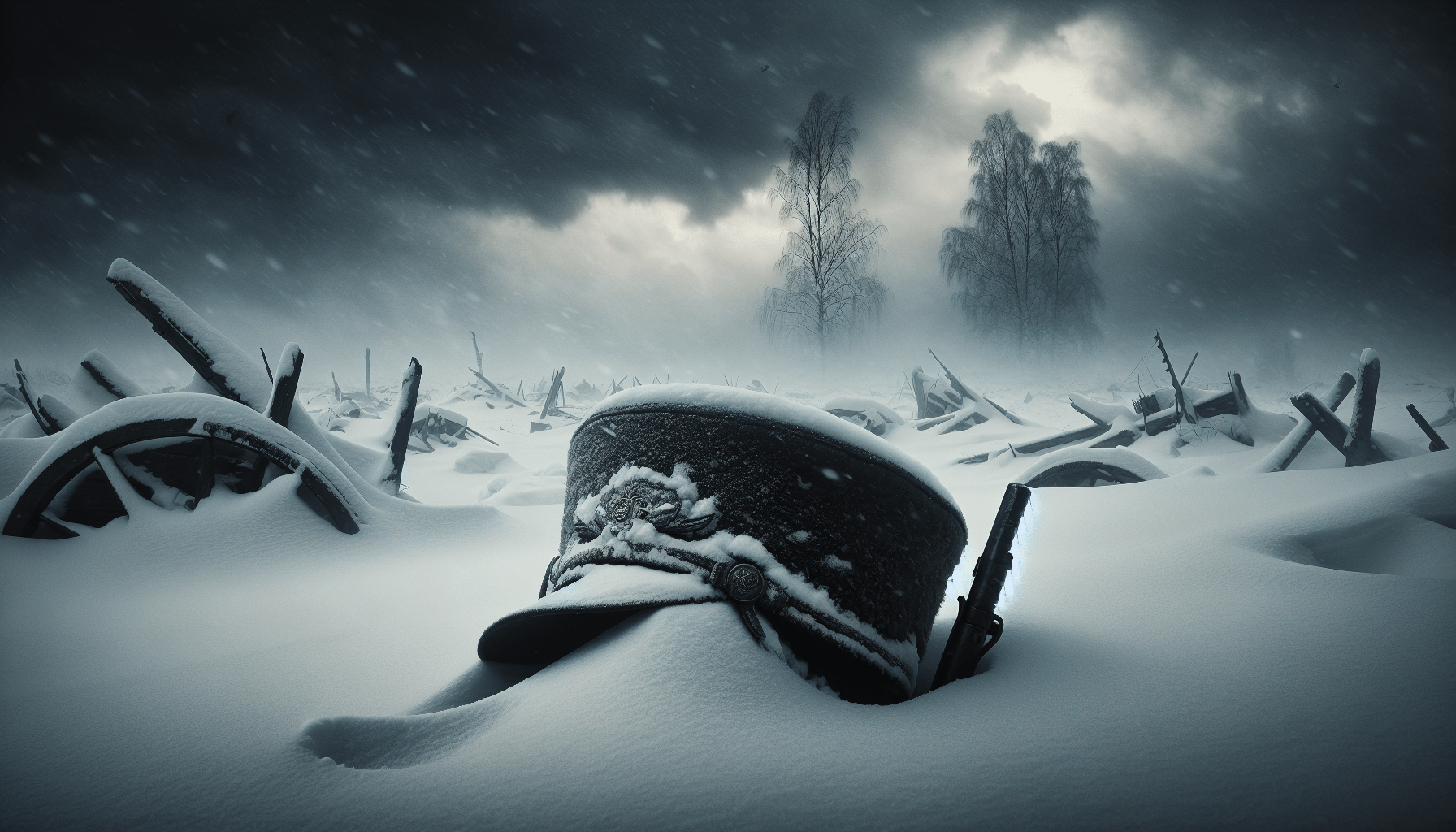
The weather proved to be yet another formidable challenge. The Russian summer presented high temperatures, creating issues of fatigue and dehydration among the soldiers. However, as autumn approached, the threat of colder conditions loomed ominously, raising concerns about sustaining troops in increasingly hostile environments. The vulnerable state of the Grand Army, due to both physical and psychological exhaustion, began to shift the balance of the campaign against Napoleon.
Morale and Health Issues Within the Ranks
The declining health of troops due to disease and malnutrition contributed significantly to a deteriorating morale within the ranks of La Grande Armée. Illnesses such as typhus and dysentery spread rapidly among the soldiers, compounded by a lack of sufficient provisions. As men fell victim to illnesses or deserted, the numbers quickly dwindled, undermining Napoleon’s authority as a commander and amplifying the challenges of maintaining an effective combat force.
The Involvement of the Russian Command
Leadership of General Barclay de Tolly
General Mikhail Barclay de Tolly played a crucial role in orchestrating the Russian response to the invasion. His strategy emphasized strategic withdrawals and the preservation of the army’s forces over engagement in large battles. While criticized by some for his caution, Barclay’s leadership effectively facilitated the regrouping of Russian troops and ensured that they remained a formidable force as the campaign progressed.
Role of Prince Bagration
Prince Peter Bagration, known for his aggressive tactics and leadership, became instrumental in the reorganization of Russian forces. His operational readiness to engage the French when the opportunity arose complemented Barclay’s cautious strategies, illustrating the dynamic interplay of leadership within the Russian military command. Bagration’s commitment to the defense of Russian territory often rallied troops, bolstering morale and ensuring that resistance remained strong throughout the campaign.
Russian Adaptations to the Invasion
The Russian command’s ability to adapt to the evolving crisis of the invasion showcased remarkable resilience. Drawing on powerful national sentiments and historical experiences, the command focused on quick strategic adjustments. The use of scorched earth tactics and a preference for rearguard actions instead of decisive confrontations allowed the Russian army to inflict damage on the much larger French forces while minimizing their own losses.
Key Battles During the Invasion
Engagements at Vitebsk
Following the Battle of Smolensk, the French forces advanced to Vitebsk, where they engaged Russian troops in a series of skirmishes. Despite K Napoleon’s aspirations for a decisive engagement, the Russians again withdrew strategically, using the terrain to their advantage. These engagements, while not resulting in spectacular victories or defeats for either side, continued to deplete resources and morale, as both armies grappled with the attrition of the campaign.
Standoff in Smolensk
The period following the Battle of Smolensk saw a tense standoff between French and Russian forces. Napoleon sought to consolidate his gains and impact Russian command, yet the realities of attrition and logistics continued to stymie his ambitions. The Russian command, recognizing their advantage in retreating, avoided decisive engagements, further complicating Napoleon’s strategic calculations as he struggled to bring the campaign to a swift conclusion.
The Fight for Tarutino
The engagement at Tarutino epitomized the increasingly desperate nature of the conflict. As French forces engaged in skirmishes with Russian defenders, the outcome was less about territory and more about the mounting weariness of Napoleon’s troops. The losses incurred during this melee, combined with the psychological burden of prolonged warfare, continued to undermine the offensive capabilities of La Grande Armée, culminating in a troubling reality for Napoleon’s march towards Moscow.
The Turning Point: The Battle of Borodino
Prelude to the Battle
As the campaign wore on, the impending clash at Borodino loomed large in the strategic considerations of both Napoleon and the Russian command. Borodino was not merely a geographic location; it represented a symbolic battleground where both forces would stake their reputations and resolve. The French sought to deliver a crushing blow to secure their dominion, while the Russians were determined to defend their territory at all costs.
Details of the Engagement
The Battle of Borodino, fought in September 1812, unfolded as one of the bloodiest encounters of the Napoleonic Wars, characterized by brutal fighting and massive casualties on both sides. Napoleon’s forces, although larger, faced tenacious resistance from the well-prepared Russian positions. The battle became marked by ferocious artillery and infantry assaults, revealing the fortitude and determination of the Russian defenders, who, despite their losses, managed to retain critical positions.
Strategic Consequences of Borodino
The outcome of the Battle of Borodino resulted in a pyrrhic victory for Napoleon: while the French claimed control of the battlefield, they suffered heavy casualties that severely weakened their operational capacity. The toll taken not only hindered subsequent advances into Moscow but also jeopardized Napoleon’s strategic vision. Borodino signified the beginning of a turning point in the campaign, where the high human costs questioned the viability of further incursions deep into Russian territory.
Conclusion
Summary of Key Challenges Faced
The campaign in Russia presented Napoleon with an array of insurmountable challenges: logistical difficulties, unyielding weather, a resolute adversary employing innovative strategies, and the dire impact on troop morale and health. Each of these factors intertwined to create a scenario that spiraled beyond the initial control Napoleon had exhibited through earlier conquests.
Reflections on the Campaign’s Legacy
The invasion of Russia stands as a pivotal moment not only in the Napoleonic Wars but also in the broader context of military history. The failures experienced highlighted the limitations of conventional military strategy against a resilient adversary operating within familiar terrain. The campaign’s outcomes elucidated the profound implications of overreach, both militarily and politically, demonstrating the perils inherent in engaging with vast and complex territories.
Final Thoughts on the Napoleonic Wars
Ultimately, the Napoleonic Wars reshaped Europe, challenging notions of power and dominance while laying the seeds for broader nationalist movements. The failure of Napoleon’s Russian campaign marked a critical juncture in this intricate saga, serving as a reminder of the fragility of empire in the face of resilient national identities and the inexorable forces of geography. This war, emblematic of ambition and downfall, endures as a testament to the historical currents that shaped the modern world.