
The Battle of Kandahar, which transpired on September 1, 1880, serves as a pivotal moment in the history of the British Empire’s military engagements in Afghanistan. Representing the conclusion of the Second Anglo-Afghan War, this battle highlights the complexities of colonial ambitions in the region. Following a humiliating defeat at Maiwand, British forces, under the command of General Frederick Roberts, staged a significant counteroffensive to relieve the besieged city, combating the Afghan forces led by Ayub Khan. The ensuing clash not only reinstated British military effectiveness but also reshaped the governance structure in Afghanistan for years to come.
In this analysis, the focus will lie on the strategic maneuvers employed during the battle, the composition and readiness of both forces, and the consequences of the British victory. Key elements will include the defensive strategies utilized in Kandahar, the British relief effort, and the tactical superiority that ultimately influenced the outcome. Attention will also be given to the aftermath, particularly the shift toward a more prudent British foreign policy regarding subsequent involvement in Afghan affairs.
The Battle of Kandahar: A Study of Conflict and Consequence
Historical Context
Overview of the British Empire’s Expansion
The late 19th century was a defining era for the British Empire, characterized by sprawling territorial acquisitions and the assertion of dominance over various global regions. You could observe this expansion as an endeavor driven by economic ambitions, geopolitical interests, and a profound belief in the civilizing mission of Western nations. The empire took root in strategic areas, marking its territory across the Indian subcontinent, Africa, and Asia. In this expansive narrative, Afghanistan emerged as a critical focal point, situated at the crossroads between British India and the Russian Empire, inciting both political maneuvering and military conflict.
The Rise of Afghan Nationalism
In the milieu created by British encroachment, a sense of Afghan nationalism began to take shape. You may find that this burgeoning nationalism was fueled by an awareness of national identity among the various tribal groups inhabiting the region. As British interventions continued to provoke resentment, charismatic leaders like Ayub Khan galvanized these sentiments into a unified national struggle against foreign domination. This rising tide of nationalism would prove essential in galvanizing the Afghan resistance during the Second Anglo-Afghan War.
Previous Conflicts Between Britain and Afghanistan
By the time you reach the late 19th century, Afghanistan had already experienced tumultuous encounters with British forces. The First Anglo-Afghan War (1839-1842) had ended in disastrous British retreat, while the subsequent decades saw intermittent uprisings and conflicts that further deepened hostilities. Each encounter contributed to the mounting grievances felt by the Afghan people, who viewed British actions as imperial overreach. The stage was thus set for the Second Anglo-Afghan War, where the specter of previous conflicts loomed large over British endeavors in the region.
Prelude to the Battle of Kandahar
Background of the Second Anglo-Afghan War
The Second Anglo-Afghan War (1878-1880) emerged as a direct consequence of the geopolitical rivalry between Britain and Russia, known as the “Great Game.” You should note that British apprehensions about Russian expansions in Central Asia prompted the invasion of Afghanistan under the pretext of securing a buffer state. However, this intervention did not unfold as planned; mounting Afghan opposition quickly escalated into a protracted conflict that would test British military resolve.
The Maiwand Defeat: Causes and Consequences
In July 1880, British troops faced a crushing defeat at the Battle of Maiwand, a pivotal moment in the war. You might ask how this loss was attributed to a combination of factors including underestimating Afghan capabilities, poor intelligence, and logistical failures. The consequences of this defeat were significant, eroding British military prestige and leaving forces in Kandahar isolated and vulnerable. The psychological impact of the defeat weighed heavily on British morale, intensifying the urgency to rectify the situation.
Strategic Importance of Kandahar
Kandahar held immense strategic importance within the context of the conflict. Positioned as a key trading hub, you recognize that its control was vital for both the British and the Afghan forces. For the British, it represented a foothold that could enable further operations and bolster their influence in the region. For Afghan commanders like Ayub Khan, retaining control over Kandahar was essential not only for military reasons but also for cementing Afghan nationalism and authority.
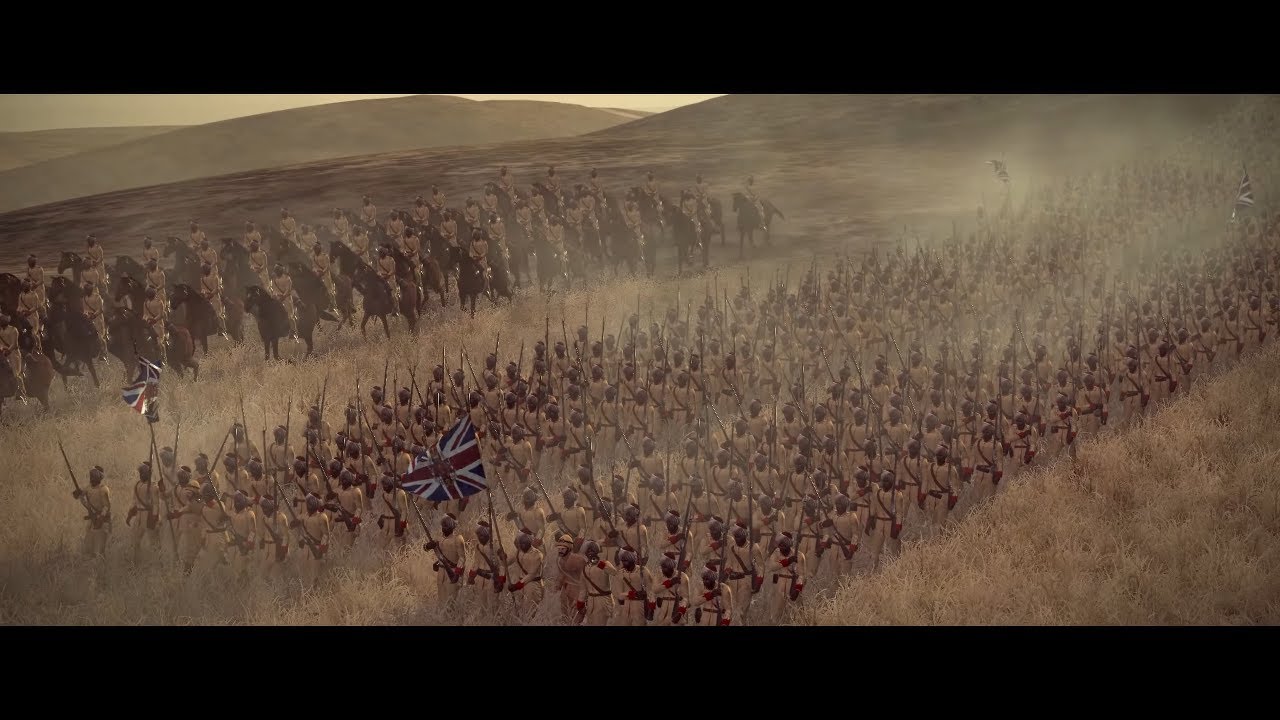
Ayub Khan: The Afghan Commander
Biography and Military Background
Ayub Khan emerged as a prominent figure in Afghan resistance during the Second Anglo-Afghan War. His aristocratic lineage provided him with military training, and you will find that he quickly rose through the ranks to become a respected leader, both for his strategic acumen and his ability to unite disparate tribal factions. His prior experience in conflicts against British forces had equipped him with insights that would play a crucial role in the unfolding battle.
Ayub Khan’s Objectives in the Conflict
The motivations driving Ayub Khan in this conflict were deeply rooted in nationalist aspirations. You can observe that his main objective was not merely to repel British forces but also to assert Afghanistan’s sovereignty and create a unified Afghan state. This encompassed not just military victories but also the broader ambition of rallying the Afghan populace around a common cause that transcended tribal divides.
Leadership Style and War Strategies
Ayub Khan’s leadership style was characterized by a blend of traditional Afghan guerrilla tactics and innovative strategic planning. You might appreciate the fact that he mobilized local resources effectively, leveraging knowledge of the terrain and utilizing swift maneuvers. His ability to inspire loyalty among his troops was crucial, allowing him to hold together a diverse coalition of tribes under his command even in the face of adversity.
British Forces and Leadership
Profile of General Frederick Roberts
General Frederick Roberts stood at the helm of British operations during the Battle of Kandahar. Known for his tactical brilliance and experience in colonial conflicts, you might observe that his leadership played a pivotal role in regrouping British forces following the devastating loss at Maiwand. Roberts was acutely aware of the gravity of the situation and the pressures to restore British military honor.
Composition and Strength of British Forces
The British forces that gathered in Kandahar were formidable, comprising approximately 10,000 troops. Despite suffering from the ravages of previous encounters, this contingent included a mix of infantry, cavalry, and artillery support. You should note that the British military was marked by its established training protocols and hierarchical structure, reflecting the disciplined yet sometimes rigid nature of Victorian-era military strategy.
Tactics and Training of the British Army
British Army tactics during this period relied heavily on conventional warfare principles, placing a premium on discipline and superior firepower. You would find that extensive training programs focused on marksmanship and coordinated movements were designed to facilitate effective engagement on the battlefield. These tactics would soon be put to the test as British forces prepared to confront Ayub Khan’s more fluid combat style.

The Siege of Kandahar
Initial Encirclement by Afghan Forces
The situation in Kandahar deteriorated quickly following the British defeat at Maiwand. You may find it striking that Ayub Khan’s forces, emboldened by their victory, laid siege to the city in August 1880. This encirclement left the British forces in a precarious position, cut off from reinforcements and supplies, thereby escalating the urgency of their plight.
Conditions for the Besieged British Troops
Inside the besieged city, conditions for the British troops became increasingly dire. Limited rations, inadequate water supplies, and the psychological toll of isolation contributed to a mounting sense of desperation. You might imagine the strain of maintaining morale amidst constant threat and the helplessness felt by soldiers who had once been viewed as invincible.
Challenges Faced During the Siege
The siege was marked by a series of challenges that escalated tensions within the beleaguered British garrison. You would recognize that communications difficulties exacerbated the situation, hampering any potential strategic planning. Given the dire circumstances, camaraderie, and resourcefulness among troops became crucial in their struggle to maintain resolve during this critical juncture.
The British Relief Operation
The Strategic March from Kabul to Kandahar
In response to the encirclement, strategic planning by General Roberts resulted in a critical decision to embark on a relief march from Kabul to Kandahar. The magnitude of this undertaking is not to be underestimated; covering a distance of 320 miles through rugged terrain and hostile environments was fraught with peril. You can appreciate that this bold maneuver represented a decisive moment in the broader conflict, embodying British resolve to restore order.
Challenges of the 320-Mile Journey
The journey from Kabul to Kandahar posed significant obstacles for Roberts and his forces. Unfavorable weather, terrain that ranged from arid plains to mountainous regions, and sporadic skirmishes with Afghan forces along the route tested both the endurance and discipline of his troops. You may envision the unyielding spirit required to traverse such a formidable landscape, with the stakes being not just the lives of the soldiers, but the honor of the British military as well.
Mobilization of Troops and Supplies
You should note that effective mobilization was paramount to the success of this relief operation. Roberts implemented meticulous planning to coordinate troop movements and ensure adequate supplies were transported. This logistics acumen offered the British forces an essential lifeline, enabling them to advance rapidly and prepare for the challenge that awaited them upon reaching Kandahar.
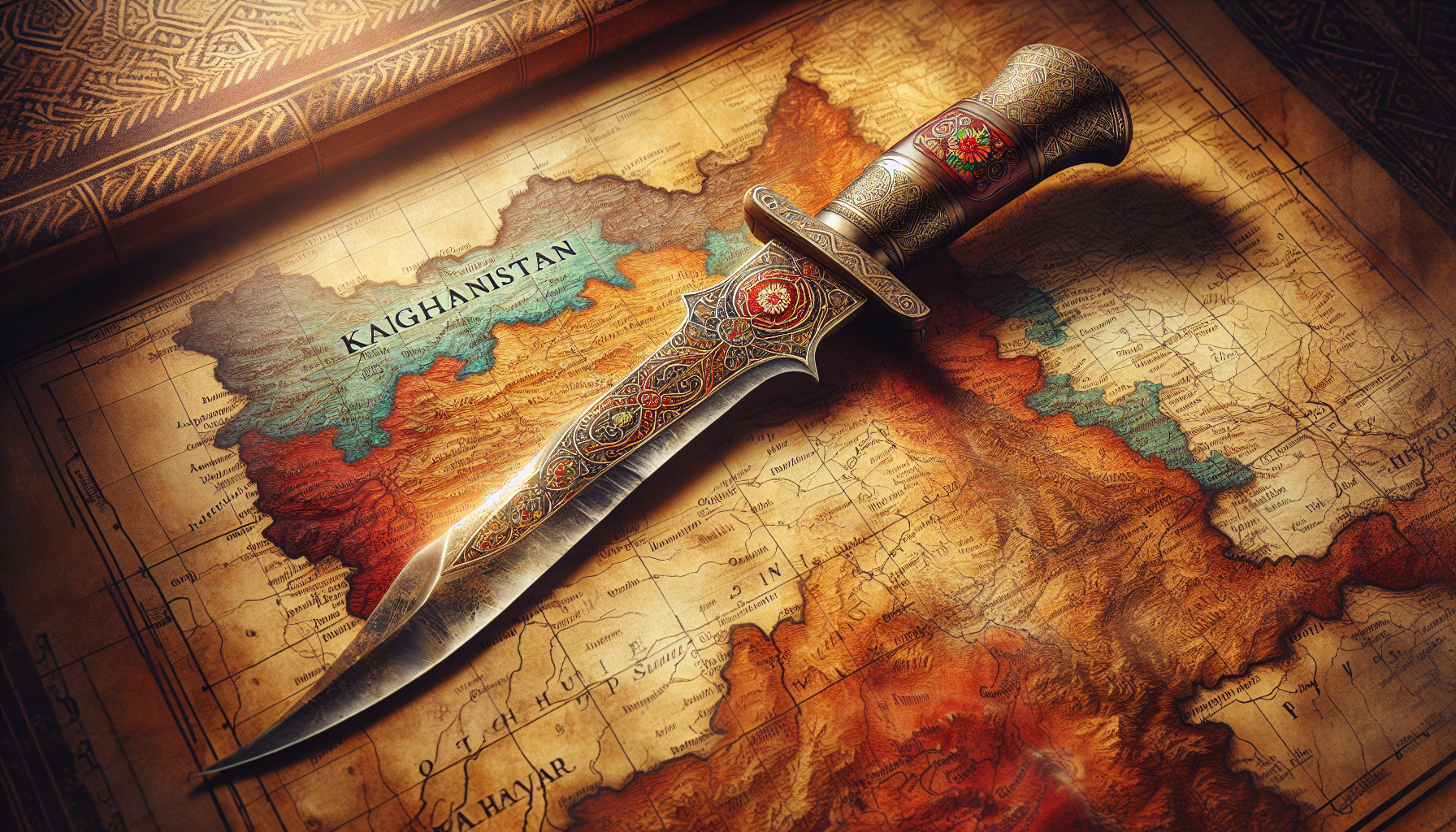
The Battle Commences
Tactics Employed by Both Sides
Upon arrival in Kandahar, the British forces swiftly prepared for battle. You would find that both sides employed contrasting strategies; the British relied heavily on artillery superiority, discipline, and established tactics, while Ayub Khan’s troops adapted guerrilla warfare methods, utilizing the terrain to their advantage. This tactical divergence highlighted the evolving nature of military conflicts during this period.
Field Positioning and Preparations
With the stage set for confrontation, field positioning became a crucial factor. You can see that the British utilized superior firepower to establish fortified positions, while Ayub Khan sought to exploit any weaknesses in their defenses. The battlefield dynamics reflected both the strategic intelligence of commanders and the realities faced by foot soldiers during warfare.
Beginning of the Engagement
The engagement charged into action on September 1, 1880, marking the commencement of intense combat. As cannon fire roared and men clashed, the determined British troops sought to reclaim their honor while Ayub Khan’s forces aimed to solidify their victory. You may reflect on the chaos of battle, a tapestry woven with valor and desperation as both sides aspired to emerge triumphant.
The Turning Points in Battle
Artillery Superiority of British Forces
As the conflict unfolded, the decisive factor emerged: the artillery superiority of British forces. The British employed advanced artillery tactics that surpassed those of the Afghan defenders. You might appreciate how this technological edge played a convicting role in altering the trajectory of the engagement, allowing British troops to exert control over the battlefield.
Afghan Forces’ Organizational Challenges
Despite their initial advantage, Ayub Khan’s forces faced significant organizational challenges. Lacking centralized command and coherent strategies, Afghan forces struggled to maintain the momentum gained through previous victories. This disarray became increasingly apparent as the battle progressed, creating openings for the more organized British troops to exploit.
Key Moments of the Fight
As the battle intensity escalated, pivotal moments dictated the outcome. You can identify critical engagements where leadership decisions and rapid responses were instrumental in reshaping the battlefield dynamics. Seizing the initiative enabled British forces to reclaim the narrative of the conflict, resulting in key advances that ultimately proved instrumental.
Aftermath of the Battle
Consequences for Ayub Khan and Afghan Forces
In the wake of the decisive British victory at Kandahar, Ayub Khan faced significant setbacks. The defeat culminated in a retreat, forcing him to reassess his position within the context of Afghan politics. You may observe that this loss contributed to his eventual exile and diminished prospects for leading a unified resistance against British imperialism.
Impact on British Military Prestige
For the British, the victory at Kandahar was a pivotal moment that reinstated military prestige following the Maiwand debacle. The successful relief mission and subsequent engagement served to reinforce their image as formidable colonial powers. You would see this moment positively influencing British popular sentiment and shaping perceptions of military efficacy.
Long-term Effects on Afghan Politics
The outcomes of the Battle of Kandahar resonated beyond the battlefield, casting long shadows over Afghan politics. With Ayub Khan’s defeat, the British shifted their support to Abdur Rahman Khan, a pro-British leader who would later consolidate power in Afghanistan. You would recognize that although stability was briefly achieved, the long-term implications of British interference continued to cultivate tensions that would resonate in the region for decades to come.
Conclusion
Summary of Key Events and Outcomes
The Battle of Kandahar encapsulated the conflict and complexity of British-Afghan relations during the late 19th century. You have journeyed through the historical contextualization of the conflict, the profiles of key figures on both sides, and the events leading to and following this pivotal battle. The intersections of strategy, national identity, and military prowess crystallized in this confrontation.
Final Thoughts on British-Afghan Relations
As you contemplate the broader narrative, the Battle of Kandahar stands as a testament to the multifaceted nature of imperial ambitions and national struggles. The war encapsulated the contradictions underlying British colonial policies and the surging nationalist fervor within Afghanistan—important components in understanding the ongoing relationship between the two entities.
Lessons Learned from the Conflict
In deciphering the lessons gleaned from this conflict, you would glean insights on the limitations of military power, the resilience of national identities, and the unintended consequences inherent in imperial interventions. The Battle of Kandahar serves as a poignant reminder of the complexities surrounding war, sovereignty, and the intricate dance of political dynamics that continue to resonate in contemporary geopolitics.