
The Battle of Kandahar, occurring on September 1, 1880, represents a pivotal moment in the Second Anglo-Afghan War, showcasing the intense conflict between the British Empire and the Afghan tribes. Following a devastating defeat at Maiwand, British forces faced a critical siege led by Afghan commander Ayub Khan. In a remarkable display of military strategy, General Frederick Roberts orchestrated a rapid march to Kandahar, ultimately leading to a decisive confrontation that would determine the trajectory of British involvement in Afghanistan.
This article meticulously examines the dynamics of the Battle of Kandahar, detailing the strategic maneuvers employed by both sides, the significance of the relief force, and the aftermath of the engagement. By analyzing the battle’s confrontations and the implications of British victory, a comprehensive understanding of the complex relationship between the British Empire and Afghanistan during this tumultuous period emerges. The outcome not only impacted the war but also influenced Britain’s approach to Afghan governance in the years to follow.
The Anglo-Afghan Wars: A Detailed Examination
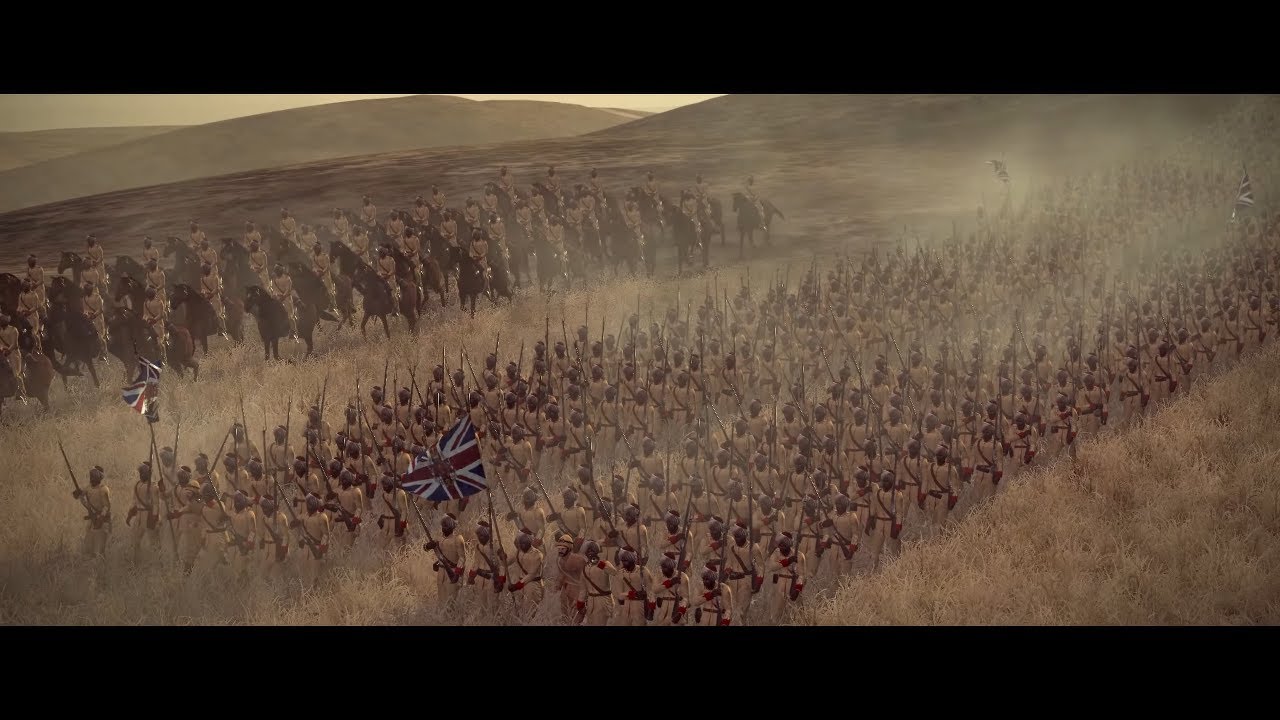
Historical Context of the Anglo-Afghan Wars
Overview of the First Anglo-Afghan War
The First Anglo-Afghan War (1839-1842) serves as a critical backdrop in understanding British imperial intentions in Afghanistan. Initially, the British aimed to consolidate their influence in the region, motivated by the perceived threat posed by Russia’s expansion into Central Asia, often referred to as the “Great Game.” The British intervention, however, led to a catastrophic retreat from Kabul in 1842, with approximately 16,000 troops and camp followers losing their lives during the harsh journey through the Khyber Pass. This failure not only highlighted the pitfalls of imperial overreach but also set the stage for subsequent confrontations, revealing the complexities of Afghan tribal dynamics that continuously eluded British control.
Causes of the Second Anglo-Afghan War
The Second Anglo-Afghan War (1878-1880) was precipitated by the geopolitical climate of the 19th century, particularly the revival of Afghan nationalism and internal political strife within Afghanistan. The British sought to thwart Russian encroachments, which intensified following the signing of the Treaty of Gandamak in 1879, a document that later led to widespread discontent. The dismissal and subsequent assassination of British envoy Sir Louis Cavagnari underscored the fragility of British authority in Afghanistan, compelling the British to launch a full-scale military campaign aimed at establishing a puppet regime.
Impact of British Colonial Policy on Afghanistan
British colonial policy profoundly affected Afghanistan’s sociopolitical landscape. The imposition of treaties and the installation of friendly rulers disrupted native customs and governance, contributing to a perpetual cycle of resistance and resentment. The disastrous results of the First Anglo-Afghan War and the tumultuous aftermath of the Second underscored the limits of British power, revealing that strategies predicated on military might alone were unsustainable in a region characterized by fierce tribal allegiances and deep-rooted cultural identities. British colonial policy, marked by inconsistency and a paternalistic approach, ultimately failed to comprehend the complexities of the Afghan political fabric.
Kandahar: Strategic Importance
Geographical Significance
Kandahar’s geographical location positions it as a critical nexus in South-Central Asia. Situated at the crossroads of major trade routes connecting India to Persia, Kandahar has historically been a focal point for various military campaigns. Its topography, featuring arid landscapes interspersed with river valleys, provided both strategic advantages for defense and ample opportunities for ambushes, making it essential to any imperial power seeking control over Afghanistan.
Historical Significance in Afghan Warfare
Throughout Afghan history, Kandahar has played a pivotal role in various conflicts, becoming a theater for power struggles amidst rival factions. Its significance was notably evident during the 1700s when it served as a capital for the Durrani Empire, a foundation for Afghan identity that shaped subsequent resistance against foreign invaders. The city’s contested ownership reflects its intrinsic value as an imperial stronghold, making it a target for both native and foreign militaries alike.
Kandahar’s Role in British Military Strategy
For the British, Kandahar represented both a strategic foothold and a potential base for military operations against Afghan insurgents. The British military praxis heavily relied on establishing and maintaining fortified outposts, and Kandahar was central to executing their counterinsurgency strategies during both Anglo-Afghan Wars. The ability to project power from such a location enabled the British to attempt to stabilize, or at least influence, Afghan governance, facilitating trade routes vital for imperial interests.
Key Figures in the Battle of Kandahar
General Frederick Roberts: Leadership and Strategy
General Frederick Roberts emerged as a central figure during the Second Anglo-Afghan War, particularly in the Battle of Kandahar. His previous military experience, notably in India and during the First Anglo-Afghan War, provided him with the insight to navigate complex terrains and employ strategies tailored to the realities of Afghan warfare. Roberts’ leadership during the British relief effort showcased not only tactical acumen but also the ability to inspire his troops, rallying them for the arduous 320-mile march from Kabul to Kandahar.
Ayub Khan: The Afghan Commander
Ayub Khan, an influential Afghan commander and the son of Sher Ali Khan, emerged as a formidable opponent to British forces. His ability to unite disparate tribal factions under a common cause against colonial forces evidenced his deep understanding of Afghan nationalism. Ayub’s leadership during the siege of Kandahar amplified his notoriety, as he skillfully coordinated local resources and manpower to fortify his position against the might of the British, challenging the imperial narrative of superiority.
The Role of Local Allies and Tribes
Local tribes played a significant role during the engagement at Kandahar, with various factions either rallying alongside Ayub Khan or remaining ambivalent to the conflict. These tribal allegiances shaped both the strategic decisions of opposing forces and the outcomes of various skirmishes. The British often underestimated the impact of tribal politics, which complicated their strategies and underscored the importance of local knowledge in military campaigns, revealing a critical oversight in their approach to governance and warfare in Afghanistan.
Preliminary Events Leading to the Battle
The Siege of Kandahar: Context and Developments
The Siege of Kandahar commenced in July 1880, following the British defeat at the Battle of Maiwand. Faced with overwhelming Afghan forces led by Ayub Khan, the British garrison found itself isolated, with supplies dwindling and communications cut off. The situation escalated to a desperate standoff, compelling British military leadership to prioritize a relief operation. Understanding the urgency, General Roberts was tasked with the critical mission of delivering aid and breaking the siege, setting the stage for the subsequent engagements.
Defeats at Maiwand: Analysis
The British defeat at Maiwand highlighted several strategic miscalculations, including underestimating Afghan resolve and overconfidence in military tactics. With Ayub Khan’s forces decisively routing the British troops, the humiliation underscored the vulnerabilities within the British military framework. The aftermath not only intensified the urgency of the relief effort but also shifted perceptions of British invincibility, fostering a newfound respect among the Afghan tribes for their indigenous capabilities against imperial forces.
British Military Planning for Relief
The planning process for the relief of Kandahar was characterized by meticulous military logistics, as General Roberts devised a strategy that capitalized on speed and maneuverability. His force of approximately 10,000 men comprised seasoned soldiers, local scouts, and Indian sepoys, all prepared for the treacherous march ahead. Roberts’ foresight in utilizing available resources and securing local intelligence was instrumental in crafting a successful operational plan that would counter the threats posed by Ayub Khan’s forces.
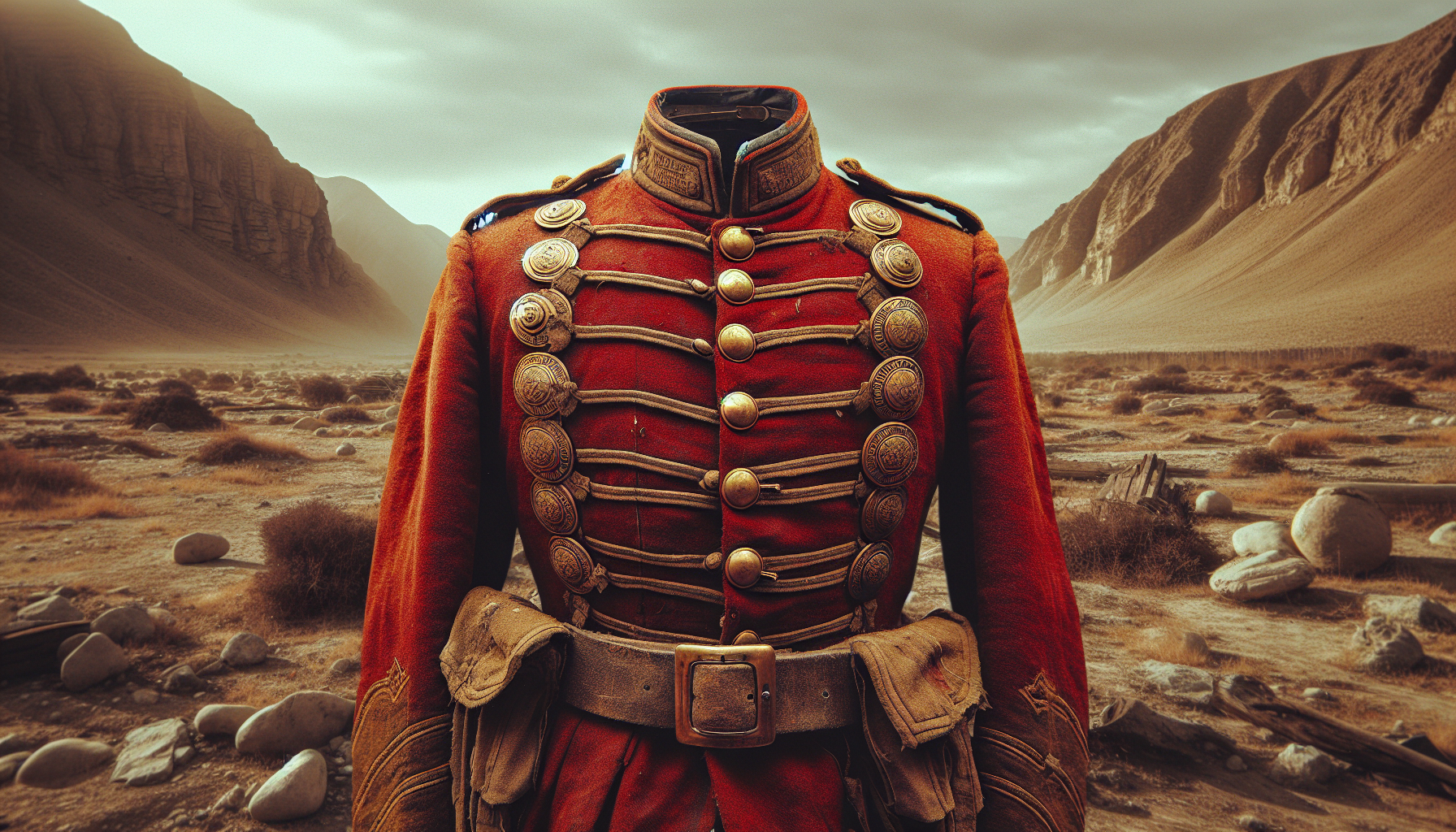
Composition of Forces
British Forces: Composition and Tactics
The British relief force comprised a well-equipped contingent of infantry, cavalry, and artillery units, reflecting the technological sophistication of the British military arsenal. Tactics employed during the battle emphasized the use of disciplined volleys, massed firepower, and severe artillery support, which had become hallmarks of British military engagements. This strategic framework, combined with effective logistical operations, aimed to recapture momentum amidst the adversities faced due to the deteriorating situation in Kandahar.
Afghan Forces: Strength and Organization
Ayub Khan’s forces, while seemingly larger in number than the British contingent, demonstrated significant organizational challenges. Composed of various tribal factions with differing motivations, the Afghan forces were often subject to issues of cohesion and command. Despite their numerical advantage, these internal divisions hindered their operational effectiveness. However, Ayub Khan’s ability to rally these diverse groups temporarily showcased the resilience of Afghan unity under a common goal, highlighting the dynamic nature of conflict in the region.
Technological Advancements and Their Impact
Technological advancements played a pivotal role in the outcome of the battle. The British forces benefitted from superior artillery pieces, including breech-loading guns that provided them a crucial edge in both range and effectiveness. This technological superiority shifted the balance in engagements and ultimately proved decisive during the Battle of Kandahar, as British forces effectively utilized artillery to suppress Afghan defenses, illustrating the significance of innovations in warfare during this period.
The British Relief March
Logistics of the 320-Mile March
The logistics involved in the 320-mile relief march to Kandahar presented significant challenges. General Roberts coordinated the movement of his forces across varying terrains, ensuring adequate supply lines and provisions were maintained despite the threatening environment. The march itself became a test of endurance, necessitating a careful balance between speed and sustainability, as troops navigated formidable landscapes while being aware of the potential risks presented by Afghan guerilla tactics.
Challenges Faced by Roberts’ Forces
Roberts’ forces encountered numerous challenges during the march, including adverse weather conditions, difficult terrain, and the ever-present threat of ambushes by hostile tribes. These factors tested the resolve and discipline of the British soldiers, demanding remarkable adaptability and resilience. The fluctuating morale, sustained by effective leadership and clear communication, ultimately enabled Roberts to maintain the focus required in this high-stakes operation.
Morale and Preparation for Engagement
The morale of Roberts’ troops was a critical element in the lead-up to the engagement at Kandahar. Effective pre-battle preparations included addressing the psychological components of warfare, instilling confidence through motivational briefings, and fostering camaraderie among the ranks. The knowledge that they were marching to relieve besieged comrades created a shared sense of purpose, fortifying their resolve as they prepared to face the Afghan forces.
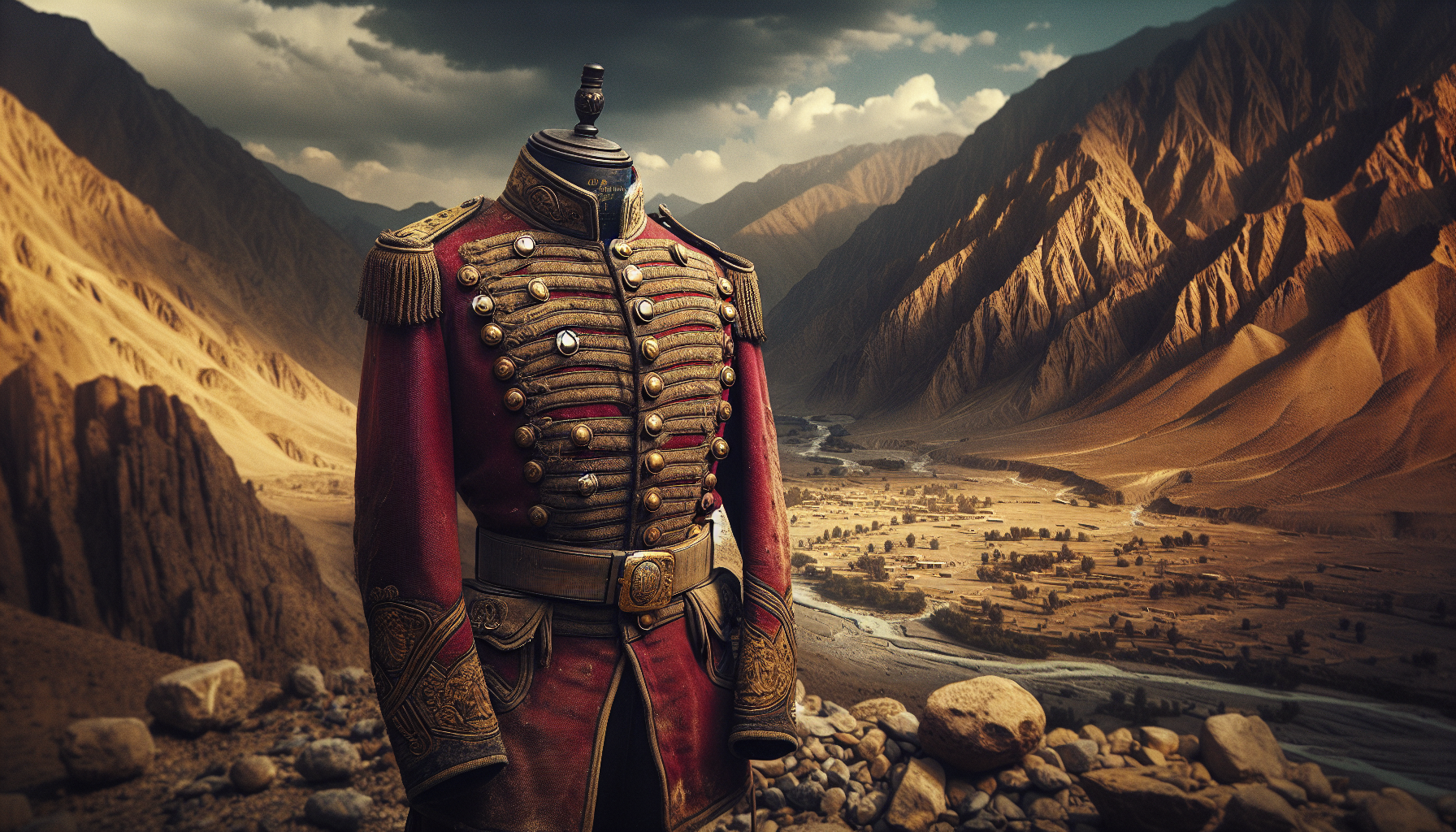
The Tactical Outlines of the Battle
Initial British Maneuvers
Upon reaching Kandahar, General Roberts wasted no time initiating the battle plan. Starting with calculated initial maneuvers aimed at ascertaining Afghan positions, the British made deliberate movements to dislocate enemy formations. Utilizing their well-trained infantry and superior artillery, the British aimed to disrupt Ayub Khan’s defenses while simultaneously conserving resources for the decisive phases of the conflict.
Responses from Afghan Forces
In response to the British maneuvers, Ayub Khan’s forces showed initial resilience, attempting to repel British advances through well-coordinated defensive positions. However, the inability to maintain effective communication and coordination among disparate tribes hampered their effectiveness. The psychological impact of British artillery fire and tactical aggressiveness wrought confusion and uncertainty within Afghan ranks, reflecting the challenges of conducting warfare in a disjointed manner amidst intense external pressure.
Key Tactical Decisions and Their Outcomes
Critical tactical decisions made by General Roberts played a decisive role in shaping the battle’s outcome. The decision to employ concentrated artillery fire at key points disrupted Afghan formations and altered the dynamics of the confrontation. Additionally, Roberts’ adept maneuvering allowed the British to exploit weaknesses in Afghan strategy, leading to a gradual erosion of organized resistance. These decisions, underscored by a profound understanding of battlefield dynamics, ultimately paved the way towards securing victory.
Turning Points in the Battle
The Bombardment of Afghan Positions
A pivotal moment in the Battle of Kandahar occurred with the intensive bombardment of Afghan positions by British artillery. This sustained pressure not only decimated enemy morale but also dismantled vital defensive structures, creating openings for British infantry to advance. The bombardment exemplified the effective integration of firepower into British tactical arsenals, illustrating how technological superiority drastically reshaped engagements on the battlefield.
Critical Moments on the Battlefield
Critical moments during the engagement often hinged on rapid decision-making and the ability to adapt to changing circumstances. Instances of individual bravery among British troops, alongside key leadership decisions taken amidst the chaos, crystallized the potential for turning the tide. These moments were fueled by a blend of training and intuition, showcasing the unpredictable nature of combat that transcends mere numbers or pre-planned strategies.
The Effect of Artillery and Tactical Advantage
The cumulative effects of artillery use contributed immensely to the overall tactical advantage enjoyed by British forces. By leveraging the destructive capabilities of their guns, the British were able to apply direct pressure on Ayub Khan’s forces, slowly peeling away at their defenses. This realization underscored the role of artillery as a critical instrument in colonial warfare, influencing British military doctrine for future engagements in Afghanistan and beyond.
Aftermath and Consequences of the Battle
Impact on Afghan Leadership
The aftermath of the Battle of Kandahar significantly impacted Afghan leadership, ultimately leading to Ayub Khan’s retreat and the restoration of British influence in the region. The defeat compelled Ayub Khan to reconsider alliances and strategies, realigning the Afghan political landscape as a pro-British regime emerged. The power dynamics shifted, leading to the eventual ascendance of Abdur Rahman Khan, whose tenure would solidify a more favorable relationship with British authorities.
Restoration of British Prestige
For the British Empire, the decisive victory at Kandahar restored military prestige following the calamitous defeat at Maiwand. This victory reinvigorated public confidence in British military capabilities and reaffirmed colonial ambitions in Afghanistan. The successful relief operation became a touchstone for British military narrative, illustrating the resilience of imperial power amid challenges and turbulence that characterized the geopolitical landscape of Central Asia.
Shift in British Policy Toward Afghanistan
The consequences of the Battle of Kandahar ultimately induced a significant shift in British policy toward Afghanistan. While the victory momentarily stabilised British interests, it also triggered a more cautious approach, leaning toward non-interventionism in the region. This recalibration of strategy recognized the limitations of direct imperial control, reflecting an evolving understanding of the complexities inherent in Afghan governance and the need for a nuanced approach in future engagements.
Conclusion
Summary of Key Insights
The Battle of Kandahar encapsulated the complexities and challenges of British colonial ambitions in Afghanistan, demonstrating how military engagements are influenced by a myriad of factors – from strategic miscalculations and local dynamics to technological advancements. The interplay of leadership, tactical decisions, and on-ground realities shaped the outcomes of this pivotal conflict.
Reflections on Historical Significance
In retrospect, the Battle of Kandahar stands as a significant chapter in both British and Afghan history, reflecting the enduring legacies of imperial conflict. The battle not only highlights the futility of colonial conquest but also reveals broader themes of national identity and resistance, contributing to a deeper understanding of ongoing tensions in the region.
Lessons Learned for Future Conflicts
The insights gleaned from the Second Anglo-Afghan War continue to resonate in contemporary military and geopolitical contexts. The importance of cultural sensitivity, understanding local dynamics, and the inherent complexities of warfare underscore the need for nuanced approaches to conflict resolution and engagement in regions marked by historical grievances and entrenched identities. These lessons remain vital for policymakers and military leaders as they navigate the intricate landscapes of modern conflict.