
The Second Crusade, commencing in 1147, emerged as a response to the catastrophic fall of the Crusader state of Edessa to Muslim forces. Under the leadership of King Louis VII of France and Emperor Conrad III of Germany, the campaign sought to reclaim lost territories and restore Christian dominance in the Holy Land. However, the initiative faced numerous challenges from its outset, including a weakened military presence and internal disagreements among the Crusaders, ultimately culminating in a disastrous attempt to capture the strategically significant city of Damascus.
This article details the unfolding events of this ill-fated campaign, highlighting critical moments such as the assassination of Zengi, extensive preparations by both French and German armies, and the challenging siege of Damascus. As the Crusaders navigated their way through hostile territories, they encountered debilitating attacks and logistical nightmares. The narrative concludes with the decision to abandon the siege, illustrating the profound impact of these events on the dynamics of power in the region and marking a significant turning point in the relationship between Christian and Muslim forces during the Crusades.
The Second Crusade: A Comprehensive Analysis
The Second Crusade (1147-1150) is a critical historical event that illustrates the complexities of medieval geopolitics, religious fervor, and military ambition. Triggered by the fall of the Crusader state of Edessa to Muslim forces, it saw the involvement of significant European leaders, including King Louis VII of France and Emperor Conrad III of Germany. Despite the ambitious intentions behind the campaign to reclaim lost territories and bolster Christian control in the Holy Land, the crusade ultimately ended in failure, exposing deep schisms within the Christian coalition and diminishing their influence in the region.
Background of the Second Crusade
Catalyst for the Crusade: Fall of Edessa
The primary catalyst for the Second Crusade was the dramatic fall of Edessa in December 1144. Edessa, a vulnerable and strategically significant Crusader state, succumbed to the forces of the Muslim leader Zengi. This loss shocked Christian Europe and disrupted the fragile equilibrium established following the First Crusade. The news of Edessa’s fall not only galvanized religious sentiments but also raised alarms regarding the viability of the remaining Crusader territories. With Edessa in enemy hands, the urgency to respond to the encroaching threats became paramount for the Christian kingdoms in Europe, ultimately laying the groundwork for a renewed crusading effort.
Papal Influence and Calls for Action
In the aftermath of the fall of Edessa, Pope Eugene III recognized the need to mobilize Christian forces against a resurgent Muslim presence in the Holy Land. He issued the papal bull “Quantum Predecessores” in December 1145, calling for a Second Crusade and framing it as a moral and religious imperative. The pope enlisted the eloquent Bernard of Clairvaux to spread the message, advocating for action against perceived threats to Christendom. Bernard’s fervent sermons inspired many noblemen and knights across Europe to take up the cross, reigniting a wave of religious enthusiasm that had characterized the earlier crusading movements.
Key Players: Louis VII and Conrad III
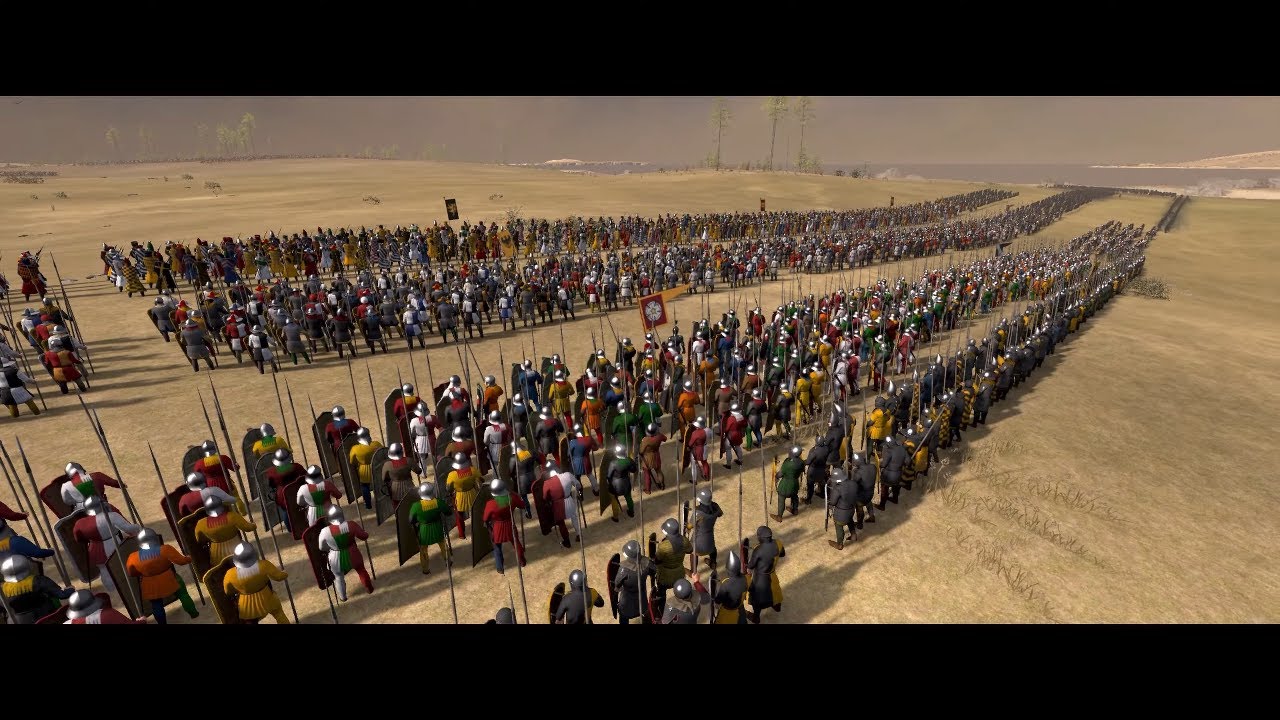
The Second Crusade saw the participation of several notable figures, most prominently King Louis VII of France and Emperor Conrad III of Germany. Louis VII, driven by a mixture of religious zeal and the desire to enhance his status, rallied a force of approximately 30,000 troops. Meanwhile, Conrad III’s German contingent, estimated at 40,000 to 50,000 men, reflected the emperor’s ambition to restore the fortunes of the Holy Roman Empire through military might. The collaboration of these two powerful leaders, each with their own objectives and aspirations, formed the backbone of the crusading effort, setting the stage for the challenges that lay ahead.
Initial Preparations for the Crusade
Mobilization of Forces in Europe
In the wake of the papal call to arms, both Louis VII and Conrad III began mobilizing their respective forces. The French and German armies comprised a mix of heavily armored knights and infantry, demonstrating the martial capabilities of medieval Europe. However, the logistics of assembling such vast armies posed notable difficulties. Mobilization was not merely about gathering troops; it involved securing resources, supplies, and ensuring a cohesive strategy for a joint campaign, which would require seamless coordination between the various factions.
Logistical Challenges in Assembling Armies
As both kings prepared for their military endeavors, they encountered significant logistical challenges. The movement of thousands of men, horses, and supplies across diverse terrains demanded meticulous planning. Each leader faced the dual task of training their forces while simultaneously ensuring that provisions could sustain the campaign. The logistical frameworks of the day—often rudimentary—were strained under the weight of such ambitious undertakings, leaving many to question the feasibility of a successful crusade.
Unification of French and German Armies
Ultimately, the convergence of the French and German armies proved to be a complex endeavor. Their leader’s differing approaches, ambitions, and levels of mutual trust necessitated diplomatic maneuvering. Even after reaching Constantinople—the intended staging ground for their campaign—unification of purpose remained an elusive goal. The apprehensions fostered by historical grievances, particularly stemming from the First Crusade, posed a continuous barrier to mutual cooperation. While both factions acknowledged the need for joint action against the encroaching Muslim forces, the initial fundamental mistrust sowed discord among their ranks.
Journey Through Anatolia
Geographical Challenges and Strategic Routes
The journey toward the Holy Land was fraught with geographical challenges. Both armies navigated through the rugged terrain of Anatolia, where mountains and valleys presented natural obstacles to their advance. The decision-making regarding strategic routes was fraught with implications; the French opted for a coastal passage, while the Germans chose an inland march. This divergence further exacerbated tensions as miscommunications and diverging interests highlighted the vulnerabilities of their combined forces.
Confrontations with Seljuk Forces
Upon entering Anatolia, the Crusaders encountered intense opposition from Seljuk forces, who were increasingly aware of the threat posed by the approaching armies. The Seljuk Turks employed guerilla tactics, ambushing the Crusader contingent and inflicting heavy casualties. At the decisive Second Battle of Dorylaeum, the German troops suffered significant losses, a prelude to the struggles that would define their advance. Each confrontation eroded morale and decimated the ranks of the already beleaguered Crusader forces.
Impact of Disastrous Defeats on Morale
The repeated setbacks faced by the Crusaders during their passage through Anatolia had a profound impact on their morale. The initial enthusiasm for the campaign began to wane in the face of mounting casualties and logistical hurdles. The sense of unity that had been fostered prior to setting out began to fracture under the strain of these defeats, culminating in disillusionment among troops and leaders alike. This diminished spirit would haunt the Crusaders as they proceeded toward their ultimate objective.
Reaching Jerusalem
Strategic Decision-Making Among Leaders
Upon finally reaching Jerusalem, the combined forces of Louis VII and Conrad III faced another critical juncture—deciding their next course of action. The strategic importance of the city loomed large in their considerations, yet diverging opinions complicated decision-making. Jerusalem had long been the focal point of Christian aspirations, and the prospect of capturing it presented both an opportunity and an obligation to reclaim what had been lost. However, the consensus on the means to achieve this goal was anything but assured.
The Role of Jerusalem in the Crusade
Jerusalem stood as a symbol of Christian faith and the ultimate objective of the crusade. Its significance extended beyond mere military conquest; it represented a spiritual goal that rallied the crusaders’ resolve. Capturing Jerusalem would reaffirm Christian claims to the Holy Land while simultaneously countering the narrative of Muslim dominance that had intensified following the fall of Edessa. The leaders recognized that any failure to secure this launch point would not only diminish their cause but could further embolden their enemies.
Alliances with Local Groups
In their calculations, the leaders sought to forge alliances with local Christian groups to bolster their efforts. The various factions within the Holy Land, including the Byzantine Empire and smaller Crusader states, were vital for any coordinated assault. However, establishing trusting relationships proved challenging, as historical rivalries and suspicious agendas often clouded collaborative prospects. The fragmented political landscape in the region necessitated skillful diplomacy, yet any misstep could unravel fragile allegiances.
Siege of Damascus: Initial Steps
Setting the Stage for the Siege
The decision to lay siege to Damascus, a city of significant strategic importance, underscored the commitments made by the crusaders. The capture of the city was viewed as a pivotal moment that would reassert Christian presence and facilitate further military objectives in the region. However, the preparation for this endeavor was hastily assembled, marked by underestimations of the defenses waiting in Damascus. The resolute defenders, led by Unur, were prepared for the impending assault.
Assessment of Defensive Strengths
As the crusaders began their siege, reconnaissance efforts highlighted the formidable strengths of the city’s defenses. Damascus was walled and fortified, with gateways that provided critical access points. The crusaders faced the dual challenge of underequipped besieging forces and a seasoned, prepared defense, complicating any hopes of rapid advancement. Understanding these defensive capabilities would soon reveal the arduous nature of the siege ahead, as overzealous expectations met with the reality of entrenched resistance.
Initial Assaults and Gains
Initial assaults were launched against Damascus, marked by intense skirmishes characterized by the chaotic nature of siege warfare. Crusader forces endeavored to exploit vulnerabilities in the city’s defenses while attempting to harness their collective fighting power. Despite early periods of success, the crusaders found themselves pushed back by the concerted efforts of the city’s defenders who utilized the urban landscape for ambushes. The momentum shifted with each passing skirmish, sowing doubts about the crusaders’ ability to sustain prolonged engagement against an adept and organized defense.
Defensive Strategies of Damascus
Role of Unur in Organizing Defense
The effective defense of Damascus can be largely attributed to Unur’s strategic acumen. Recognizing the imminent threat posed by the crusaders, Unur orchestrated a comprehensive defensive strategy that maximized the city’s fortifications and leveraged local resources. His ability to rally local militias and professional soldiers exemplified effective city governance, ensuring that every defensive capability was mobilized to counter the siege. Unur’s leadership marked a stark contrast to the disarray seen within the crusader factions.
Utilization of City Orchards for Ambush
The orchards surrounding Damascus provided vital resources and concealment for defending forces. These lush areas became critical for launching ambushes against crusader forces, allowing the defenders to exploit the natural landscape effectively. The tactical use of the city’s orchards contributed to the complexity of the siege; the defenders could strike swiftly and retreat, inflicting attrition on the besieging forces. Such asymmetric strategies underscored the challenges faced by the crusaders as they attempted to occupy an adversary’s territory.
Engagement of Local Militias
Further complicating the siege for the crusaders was the engagement of local militias. Many citizens of Damascus were compelled to defend their homeland, leading to a robust defense bolstered by civic pride. This local involvement transformed the siege into a battle not just of armies but of communities, revealing that the warfare was deeply rooted in cultural stakes. The participation of the local populace enhanced the defensive capabilities of the city while further reducing the effectiveness of the foreign siege forces.
The Dynamics of the Siege
Intensity of Combat: Day by Day Overview
The siege progressed with escalating intensity, characterized by constant skirmishes and tactical adjustments. Each day saw fresh assaults from the crusaders as they attempted to breach the city’s walls. However, the tenacity of the defenders and the topographical challenges presented fierce opposition. Combat became a grueling test of endurance for both sides, with fatigue becoming a decisive factor. Each fleeting gain was shadowed by the toll exacted on morale as the grim realities of siege warfare unfolded.
The Cruel Impact of Heat and Fatigue
Compounding the difficulties faced by the crusaders was the oppressive heat of the region. Soldiers struggled against soaring temperatures which exacerbated the physical strain of protracted combat. Dehydration and exhaustion became increasingly prevalent, presenting a distinct advantage to the defenders, who were more attuned to the environmental challenges. The relentless conditions only served to magnify the already-limited resources allocated to the crusaders, illuminating the fragility of their campaign.
Failures and Retaliations from Muslim Defenders
As the siege dragged on, the failures of the crusaders to achieve a decisive breakthrough prompted fierce retaliatory actions from the Muslim defenders. Unur, recognizing the necessity of counterattacks, orchestrated coordinated assaults designed to not only repel crusader advances but also to instill chaos and fear within their ranks. This cycle of assault and counterassault manifested the futility of the crusaders’ objectives, as their ambitions were consistently thwarted by the defenders’ resolve.
Leadership Challenges Among Crusaders
Conflicts Between French and German Leaders
The dynamic between the French and German leadership was marred by deepening conflicts and power struggles. King Louis VII and Emperor Conrad III possessed distinctly different leadership styles and visions for their troops, fostering resentment and miscommunication. As tensions flared, the fragmentation of command became evident. A unified effort to maintain strategic coherence faltered as individual ambitions and resentments surfaced, complicating collaborative military efforts.
The Influence of Individual Ambitions
Amidst the chaos of the siege, individual ambitions at play highlighted a broader cultural rift between the French and German factions. Personal prestige and glory became driving forces for leaders, often superseding the collective goals of the crusade. This competitive mindset detracted from the unified front necessary for continued operations, fracturing the resolve of the combined forces. Long-standing rivalries resurfaced, further eroding the possibility of a coordinated response to the challenges posed by the siege.
Communication Breakdown Amidst Tensions
Communication breakdowns became increasingly evident as the crucible of conflict deepened. Miscommunications regarding planned assaults and logistical support contributed to disarray within the ranks. As urgency persisted, information could be relayed inaccurately, resulting in wasted efforts and missed opportunities for advancement. The resultant chaos undermined the overall effectiveness of the siege, bottlenecking their ability to mount a concerted strategy against Damascus’s defenses.
Decisive Moments in the Siege
Unur’s Counterattacks and Their Impact
The pivotal moments of the siege were marked by the decisive counterattacks initiated by Unur and his defenders. Recognizing the opportunity posed by disarray within the crusader ranks, Unur launched calculated attacks that not only repelled advances but shifted the momentum of the siege back to Muslim hands. Each counteroffensive brought renewed vigor to the defenders while engulfing the besieging forces in confusion, resulting in heavy losses among the crusaders’ ranks.
Growing Desperation: Hunger and Thirst
With each passing day, the crusaders faced acute shortages of supplies, compounding existing challenges. Hunger and thirst began to gnaw at the morale of the troops, feeding a growing sense of desperation and hopelessness. The soldiers’ combat effectiveness waned as the basic human need for sustenance weighed heavily on them. This plight accentuated the dire circumstances surrounding the siege and further dismantled the resolve of the leadership striving to maintain cohesion.
Arriving Muslim Relief Forces
Amidst this growing desperation, the arrival of reinforcements bolstered the defenders’ resolve. The infusion of fresh troops from neighboring regions infused urgency and hope into the forces of Damascus as they prepared to resist the siege’s pressures. The presence of these relief forces underscored the regional support for Islam and the collective effort to safeguard Muslim territories, placing additional strain on the already beleaguered crusader campaign.
Conclusion of the Siege
Final Retreat and the Decision to Abandon the Siege
The culmination of the siege signaled a decisive turning point, as the combined forces ultimately opted for retreat. Faced with insurmountable obstacles—including logistical failures, internal conflicts, and the resolute defenses of Damascus—the crusaders had little recourse. On the fourth day of the siege, the decision to abandon their efforts became a grim reality. This withdrawal not only reflected the futility of their ambitions but also left lingering questions regarding the viability of the Christian presence in the Holy Land.
Consequences of the Crusader’s Failure
The failure of the Second Crusade had far-reaching consequences for the crusaders and the broader Christian states. Not only did this represent a strategic setback in their attempt to regain the Holy Land, but it also bred animosity and distrust among the factions that had collaborated. The disintegration of unity left long-lasting grievances that would shape future interactions between the diverse Christian domains. In essence, the Second Crusade illustrated the self-destructive tendencies that often plagued such endeavors.
Long-Term Implications for Christian and Muslim Relations
The repercussions of the Second Crusade reverberated across the Christian-Muslim divide, marking a critical juncture in the evolving dynamics of power within the region. The crusader’s defeat not only emboldened Muslim forces but also reshaped perceptions of Christian intentions. As the balance of power shifted, the historical narrative of conflict grew more complex and entrenched. The legacy of the Second Crusade thus becomes emblematic of the intricate and often tragic interplay of ambition, faith, and humanity that defined the medieval period.
In summary, the Second Crusade serves as a multifaceted case study of medieval warfare, leadership challenges, and the tenuous nature of alliances, where the interplay of faith, ambition, and conflict would continue to reverberate through history.