
The Battle of Shrewsbury, fought on July 21, 1403, serves as a pivotal moment in English history, marking the clash between King Henry IV and the rebellious Percy family. This confrontation not only solidified the king’s reign but also showcased the fierce rivalry between former allies turned adversaries. The engagement was distinguished as the first instance of English archers battling one another on native soil, underscoring the longbow’s critical role in warfare. It is essential to examine the political tensions leading up to this conflict, the strategic mobilizations by both forces, and the profound aftermath that shaped the monarchy and noble dynamics in England.
This article provides an analysis of the lead-up to the battle, the key figures involved, and the outcomes of this seminal event. You will explore the motivations behind the Percy rebellion, the formation and maneuvers of both armies, and the significant moments that defined the battle itself. Furthermore, the discussion will reflect on the immediate and long-term implications of the conflict, revealing how the Battle of Shrewsbury not only marked a military victory for King Henry IV but also exposed the vulnerabilities that would continue to affect his rule.

Historical Context
The Rise of Henry IV
In 1399, upon usurping Richard II, Henry IV ascended to the English throne amidst great turbulence. His claim was fraught with challenges, as he faced a divided nobility and an increasingly assertive populace. You should observe that the legitimacy of his rule was often overshadowed by perceptions of treachery and the dire political climate that ensued. Henry’s victory at the Battle of Shrewsbury in 1403 served not only as a watershed moment for his reign but also solidified his authority against those who dared to defy him, namely the Percy family.
The Percy Family’s Importance
The Percy family, staunchly loyal to the crown until turncoats in 1403, was among the most powerful noble houses in England. Their extensive lands and military prowess positioned them as pivotal players in the political drama of the era. You would note that their chief, Henry “Harry Hotspur” Percy, had once supported Henry IV’s rise but soon felt betrayed regarding promised titles and rewards. This sense of grievance propelled the Percys into full rebellion, making them formidable adversaries against Henry IV’s rule.
Political Tensions Leading to the Battle
As you delve into the complexities of the landscape during this period, consider how rising tensions among the nobility set the stage for conflict. Economic distress and promises unmet united disparate factions against Henry IV. The ill-fated promises regarding land and wealth, coupled with grievances over governance, fueled the rebellion. The final spark, ignited by miscommunications and misunderstandings, culminated in Harry Hotspur rallying his troops for an assault against the king, forging a path towards inevitable confrontation.
The Prelude to Battle
Percy’s Initial Rebellion
The seeds of rebellion were sown when Percy, disillusioned with Henry IV’s rule, declared his opposition. Initially commanding a modest force of about 200 retainers, Percy progressively consolidated upwards of 10,000 men, gathering supporters discontented with the crown’s policies. You will find that Percy’s rebellion emerged partly as a response to more than just personal grievances; it resonated with the broader frustrations of those who felt marginalized in the political arena.
Henry IV’s Gathering Forces
Henry IV, alerted to the impending threat, quickly pivoted from his plans to counter the Scots. Mobilizing an army of approximately 14,000 men, he harnessed a diverse mix of cavalry, infantry, and the renowned English longbowmen. Your understanding of royal authority during this turbulent time will deepen as you witness how deft maneuvers and strategic foresight became paramount in responding to the unexpected rebellion.
Strategic Movements Leading to Shrewsbury
Both armies marched toward Shrewsbury, the two sides poised for conflict. Henry IV’s forces crossed the River Severn, effectively cutting off Percy’s retreat route to Chester. The eminent inevitability of battle was apparent as both camps set up their makeshift encampments, lending tension to the air, thick with anticipation. You would do well to appreciate how time constraints and logistical challenges led both leaders to expedite their strategies.
The Forces at Shrewsbury
Composition of the Percy Army
Harry Hotspur’s army was a hodgepodge of experience and desperation, comprising mainly noble retainers and spirited archers. Beyond mere numbers, the warriors brought with them a fierce motivation and a belief that their cause was just. You would recognize that the composition of their forces included some of Cheshire’s famed archers, who possessed the skills necessary to challenge the crown’s elite.
King Henry IV’s Army Composition
In contrast, Henry IV’s army featured heavily armored knights and experienced veterans driven by loyalty and fear of reprisal. The mix of mounted knights and disciplined infantry created a formidable lineup. As you explore the motivations of these soldiers, it becomes evident that they were fighting not just for their king but for personal survival and status within the realm, heightening the stakes of the battle.
Role of the English Longbowmen
The English longbowmen, pivotal to the conflict, represented a revolutionary shift in medieval warfare. Their ability to rain down arrows upon an enemy from a distance provided tactical advantages unseen in previous encounters. You must appreciate the longbowmen’s role within Henry’s ranks as more than mere archers; they were harbingers of change, illustrating the evolving nature of combat during this period.
Setting the Stage
Geography of the Battlefield
The terrain around Shrewsbury played an instrumental role in military strategy. The undulating fields and the River Severn added complexity to troop movements, while the natural barriers dictated lines of engagement. You should visualize how these geographical realities influenced tactical decisions, creating both opportunities and vulnerabilities for both sides.
Weather Conditions on the Day
The weather on July 21, 1403, was oppressive, with the heat adding an additional layer of strain on the soldiers. You can imagine the discomfort felt by both armies as they prepared for combat in sweltering conditions. The elements would combine with human error and fatigue to affect the battle’s outcome in unpredictable ways.
Initial Positions of the Armies
As dawn broke on the day of the battle, the formation of both armies took shape. Each commander sought strategic advantage; Percy prepared to defend his flank while placing his archers prominently, while Henry IV aimed to consolidate his strength along the river’s edge. The initial positioning was crucial, for the outcome hinged on these first strategic choices.

The Battle Begins
Initial Archer Barrages
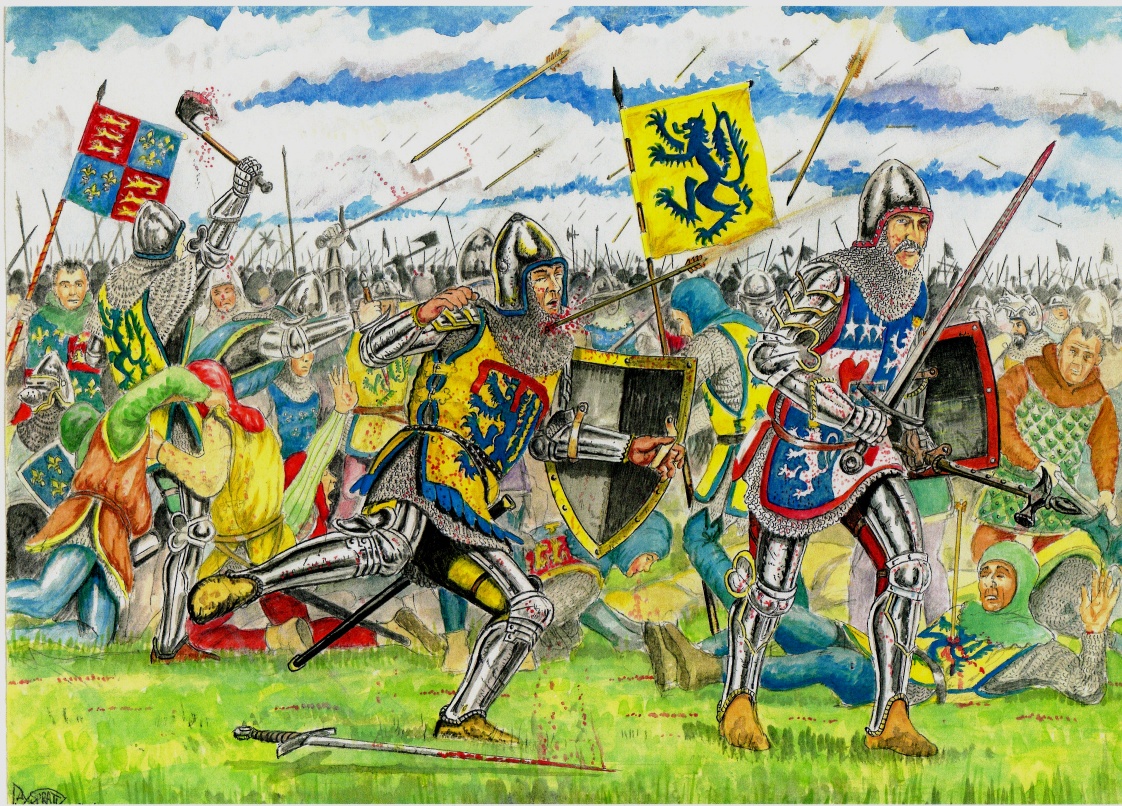
With tension palpable, the battle commenced with an astounding barrage of arrows from both sides. The skies darkened as thousands of projectiles rained down, showcasing the power and skill of the longbowmen. The tactical effectiveness of this opening strike set the tone for the day, and you would be struck by the immediate devastation that followed as casualties mounted before any melee combat commenced.
Early Casualties
As the archers unleashed their volleys, the battlefield became a canvas painted in chaos and bloodshed. Early casualties were shocking and demoralizing, highlighting the brutal efficiency of English longbow warfare. You should ponder the psychological effects on the soldiers witnessing their comrades falling, further intensifying the fear and courage prevalent in both ranks.
Transition to Hand-to-Hand Combat
Eventually, the archer’s advantage gave way to hand-to-hand combat, as soldiers from both sides clashed. The cacophony of metal upon metal, the shouts, and cries of anguish filled the air. You would reflect on the transformation of the battlefield from a distance-fighting arena into the visceral proximity of hand-to-hand confrontation, where valor and desperation defined the day.
Key Players in the Battle
Henry IV’s Leadership
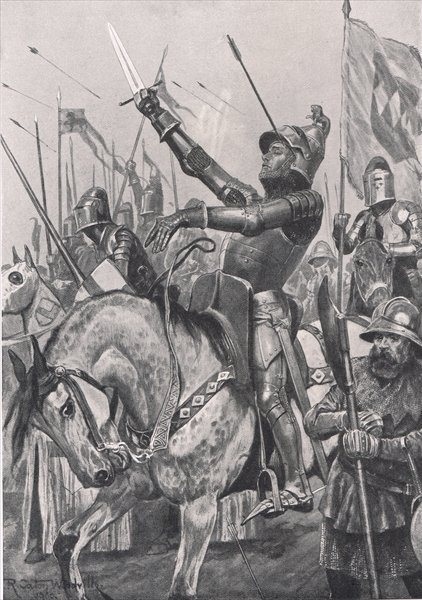
As the battle unfolded, Henry IV’s leadership became a focal point of inspiration for his soldiers. You would admire how he instilled valor amidst the fray, personally engaging in combat to bolster his troops’ morale. His presence became a beacon of hope, amplifying the resolve of his men even as uncertainties hovered.
Harry Hotspur’s Charge
The charge led by Harry Hotspur, a display of audacity and ambition, represented the culmination of his quest for glory against the king. As you observe the chaos of battle, his intense focus was on reaching Henry IV to end the conflict decisively. You would recognize this moment not only as a tactical maneuver but as a personal vendetta, symbolizing the emotional stakes at play.
Prince Henry’s Role
Prince Henry, later known as Henry V, showcased his emerging leadership skills during the battle. Partaking in the fight alongside his father, he demonstrated the complexities of loyalty and familial duty under duress. You might consider how this formative experience shaped his future as monarch, highlighting a blend of honor and warfare strategy that would later define his reign.
Turning Points in the Battle
The Impact of Hotspur’s Charge
Hotspur’s charge marked a decisive turning point in the battle. With force and fervor, he propelled his troops forward, aiming for the king’s standard, which symbolized royal authority. However, his charge, while demonstrating bravery, was a double-edged sword; it exposed the Percy forces to counterattacks that would soon turn the tide against them.
Prince Henry’s Injury
In the midst of the chaos, Prince Henry sustained a severe injury from an arrow, striking a sudden blow to the king’s forces. This moment elicited panic and uncertainty among Henry IV’s men, as they braced for the worst. You should reflect on how this injury not only tested the resolve of the troops but also represented the unpredictable nature of battle, where valor can lead to personal sacrifice.
The Moment of Hotspur’s Death
The narrative of the battle reached its climax with the tragic death of Hotspur, felled by an arrow during his impassioned charge. This moment proved pivotal; with their leader dead, morale plummeted among the rebel army. You might recognize this turning point as not just a loss in leadership but as the moment the resolve of the Percy’s rebellion unraveled, leading to their eventual defeat.
Aftermath of the Battle
Immediate Casualties and Losses
The aftermath of the Battle of Shrewsbury was staggering, with thousands dead and many high-ranking nobles and knights among the casualties. You would consider the weight of these losses, which left both families and the crown in turmoil. The human cost was staggering, prompting immediate reflection on the futility of their violent clash.
Political Ramifications for Henry IV
For Henry IV, the victory was bittersweet. While he secured his throne temporarily, the heavy losses exposed profound vulnerabilities within his reign. The broader implications indicated that even with a military triumph, he could not fully quell the dissent brewing among the nobility. You must take note of how the political landscape shifted, revealing fractures in loyalty that would haunt his rule.
Ongoing Tensions with the Percy Family
Despite the defeat at Shrewsbury, tensions with the Percy family remained palpable. The death of Harry Hotspur did not eliminate the underlying grievances surrounding land, loyalty, and respect. They simmered on the political backburner, casting a shadow over Henry IV’s rule as he navigated dissent that still sought retribution.
Legacy of the Battle of Shrewsbury
Impact on English Warfare
The Battle of Shrewsbury marked an evolutionary step in English warfare. The reliance on the longbowmen established a new tactic that would influence military engagements for years to come. You should appreciate how this battle illustrated the shift away from traditional knightly combat underlined by chivalry toward a more brutal form of conflict characterized by strategic distance and precision.
Cultural Representations of the Battle
As you explore the cultural implications of Shrewsbury, consider how literature, art, and oral traditions captured the battle’s essence. It became a staple reference in historical narratives, symbolizing the brutal realities of power struggles and framed within the epic tales of heroism and tragedy. Such representations have cemented the battle’s place within the collective memory of English history.
Long-term Effects on the English Crown
The legacy of Shrewsbury reverberated through the years, influencing the crown’s authority and the dynamics between the monarchy and the nobility. The culmination of loyalties and betrayals highlighted the precarious balance of power during Henry IV’s reign. You will find this historical conflict serves as a warning regarding the consequences of failed alliances, forever altering the way monarchs would navigate their governance in the future.
Conclusion
Summary of Key Events
The Battle of Shrewsbury is a poignant reminder of the complexities of power, loyalty, and warfare. From Henry IV’s ascent to the brutal clashes on the battlefield, the narrative encapsulates the essence of medieval politics and the human experiences intertwined with larger historical movements. You would note how the clash between royal authority and noble rebellion culminated in a breathtaking display of valor, ambition, and profound loss.
Reflections on Henry IV’s Reign post-Battle
After Shrewsbury, Henry IV’s reign became a balancing act of maintaining power while dealing with the remnants of conflict. You should reflect on the implications of this battle within the broader context of his rule; it was a sufficient triumph on that day, yet the unresolved tensions hinted at impending strife that would persist through his kingship.
Final Thoughts on the Percy Rebellion
The Percy rebellion, marked by its fervor and eventual downfall, remains a testament to the volatile nature of loyalty and power in medieval England. As their ambitions faded with the death of Harry Hotspur, you might ponder the personal toll of this conflict on all involved—noble and commoner alike—underscoring a historical lesson on the fragility of alliances built upon ambition and discontent.
