
The Littoral Combat Ship (LCS) has faced significant scrutiny throughout its development, becoming emblematic of challenges within naval modernization programs. With issues such as structural failures and premature retirements plaguing the fleet, the ship’s intended purpose was obscured by public ridicule. However, after two decades and substantial investment, the Navy has identified a critical mission for the LCS: naval mine hunting. This shift towards employing the Independence-class LCSs for mine countermeasures represents a strategic pivot in addressing contemporary maritime threats.
Equipped with advanced technologies, including unmanned vehicles and sophisticated sonar systems, these vessels are now operational in Bahrain, tackling an increasingly relevant threat posed by naval mines and unmanned underwater vehicles. This article examines the historical context of the LCS, the reasons for its newly assigned role, and the implications for future naval warfare strategies, particularly in strategic chokepoints like the Strait of Hormuz. Through an analysis of the evolving maritime landscape, this article aims to provide insights into the Navy’s response to emerging challenges.
Overview of the Littoral Combat Ship Program
The Littoral Combat Ship (LCS) program represents a significant evolution in the United States Navy’s approach to modern maritime warfare. Originally designed to fill a critical gap in naval capabilities, the LCS espouses not merely the utility of speed and modularity, but also the necessity of adaptability in an ever-changing operational theater. However, the tumultuous history and eventual pivot to mine countermeasures reflect a complex interplay between original aspirations and on-ground realities.
History of the LCS Development
The inception of the LCS program traces back to the early 2000s, amidst the backdrop of evolving maritime threats and armed conflict strategies. The Navy sought to enhance its fleet’s agility, allowing for rapid responses to diverse challenges across littoral zones—those shallow waters near coastlines. However, the transition from concept to reality has entailed numerous hurdles, marred by delays, budget overruns, and a series of design modifications that drew scrutiny from naval analysts and operational commanders alike.
Original Goals and Objectives
The LCS was initially envisioned as a revolutionary platform that could operate in shallow coastal waters, counter asymmetric threats, and foster interoperability with allied forces. Specifications called for a highly modular design, allowing for various mission modules to be equipped swiftly for anti-surface, anti-submarine, and mine-countermeasure operations. Ultimately, the objective was to create a fleet of vessels that could outmaneuver traditional naval forces and execute myriad missions with efficacy.
Early Challenges Faced
Despite its ambitious foundations, the program encountered persistent challenges, including technical malfunctions and performance failures. The ships suffered from hull integrity issues, propulsion problems, and a lack of sufficient combat systems, leading to early operational limitations. Such failures culminated in widespread criticism, resulting in a perception of the LCS as an embodiment of missed expectations—a reputation that persisted throughout its development.
Current Threat Landscape
In response to evolving maritime threats, particularly the increasing prevalence of naval mines, the Navy has undertaken a reassessment of its strategy concerning the LCS. These concerns are amplified by the geopolitical climate in key chokepoints, such as the Strait of Hormuz, which have become battlegrounds of influence and control.
Increased Naval Mine Threats
Recent analyses have underscored the rising threat of naval mines, particularly within contested coastal waters. These devices, often capable of inflicting significant damage to larger vessels, present challenges that are paramount to naval operations. Given the strategic importance of maritime routes, the ability to neutralize mine threats has become a critical operational priority.
The Role of Unmanned Vehicles
In addressing these contemporary challenges, unmanned vehicles have assumed a pivotal role within the LCS’s operational capacity. These advanced platforms provide intelligence, surveillance, and reconnaissance capabilities, enhancing the effectiveness of mine countermeasures. They allow for safer and more efficient operations in hazardous environments.
Strategic Importance of Chokepoints
Chokepoints, such as straits and canals, wield immense strategic significance in naval operations. Control over these vital maritime routes not only allows for the free passage of naval assets but also is crucial for national security interests. The LCS’s new focus on mine warfare positions it at the forefront of safeguarding these critical areas from emerging threats.
Transition to Mine Countermeasures
As you consider the shifting role of the LCS, it becomes clear that the transition to mine countermeasures is both a strategic and practical necessity. This reorientation embodies not just an adaptation to existing threats but also reflects an evolving understanding of the LCS’s capabilities and limitations.

Rationale for New Missions
The rationale for the LCS’s pivot to mine countermeasures springs from an urgent need to secure maritime operations against increasingly sophisticated threats. As adversaries enhance their naval mine capabilities, the LCS has adapted its mission profile to include dedicated efforts for detecting and neutralizing these devices.
Comparison to Previous Role
Initially, the LCS’s operational goals encompassed a broad spectrum of combat functions, from surface engagements to anti-submarine warfare. However, the recent focus on mine countermeasures reflects a more streamlined operability, indicating that the Navy is honing in on the LCS’s strengths, rather than persisting with extensive and often problematic versatility.
Integration of New Technologies
The integration of new technologies has been indispensable in repositioning the LCS within a mine-countering framework. Advances in unmanned systems, sensor capabilities, and combat platforms enhance the operational scope and effectiveness, enabling the LCS to execute its role in modern naval engagements with greater competence.
Operational Deployment in Bahrain
As you evaluate the LCS’s operational effectiveness, particularly with its deployment in Bahrain, it is fundamental to discern how geographic position influences mission execution and overall naval strategy.
Current Operating LCS Vessels
Currently, the Navy has positioned multiple Independence-class LCS vessels in Bahrain, where they are engaged in active mine countermeasures. This geographical locale offers a strategic advantage, situated as it is along vital maritime pathways rife with potential threats and geopolitical tensions.
Impact of Location on Mission Execution
The location of these vessels serves as a critical operational hub. Bahrain’s proximity to key maritime corridors allows the LCS to exercise rapid response capabilities and engage in proactive measures against mine threats, thereby contributing to the overall security of maritime operations in the region.
Partnerships and Collaborations
You cannot overlook the importance of partnerships and joint exercises with allied forces in expanding the operational effectiveness of the LCS. Collaboration enhances situational awareness and resource sharing, ultimately facilitating a more robust response to shared threats while reinforcing alliances.
Advancements in Mine-Hunting Technology
The transition to a mine countermeasure focus has coincided with significant advancements in technologies designed specifically for detecting and neutralizing naval mines.
Unmanned Vehicle Capabilities
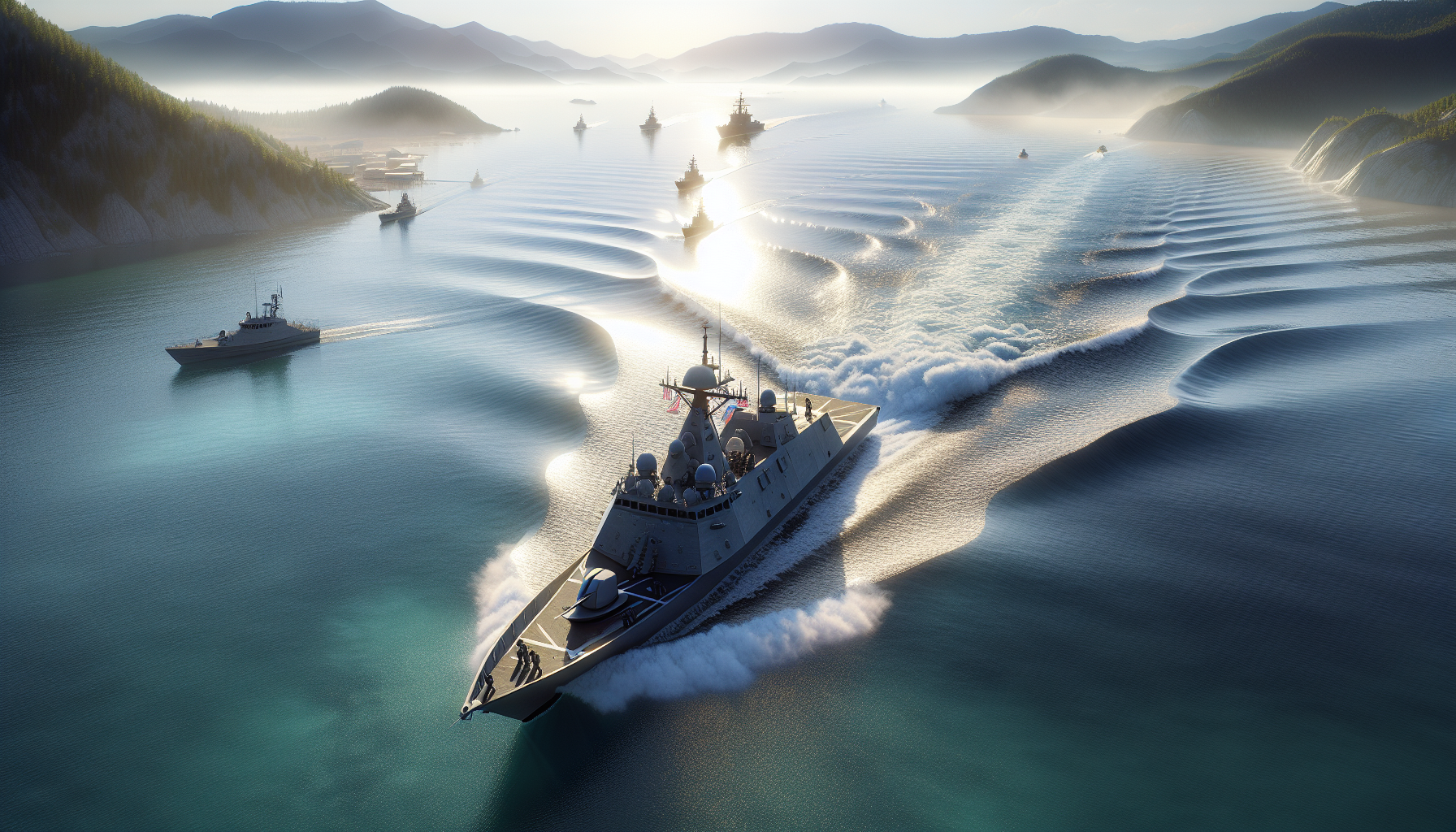
Unmanned vehicles represent a transformative aspect of modern naval operations. Utilizing these platforms amplifies operational capabilities by reducing risks to personnel while simultaneously enhancing the efficiency of mine detection and neutralization missions.
Advanced Sonar Systems
The sophistication of sonar systems has evolved markedly, allowing for enhanced undersea detection of minefields. These technologies provide operators with the precise data necessary for assessing underwater environments and executing successful mission profiles.
Airborne Mine-Hunting Systems
Airborne systems further augment the capabilities of the LCS by introducing aerial reconnaissance and identification solutions, broadening the scope of mine countermeasure operations. These technologies contribute significantly to near real-time situational awareness, aiding in tactical decision-making.
Analysis of LCS Mission Package
The structure of the LCS’s mission package, particularly the mine countermeasures component, warrants careful analysis to ascertain its effectiveness and identify potential areas for improvement.
Components of the Mine Countermeasures Package
The mine countermeasures package encompasses an array of technologies, including unmanned surface vessels, unmanned underwater vehicles, and advanced detection systems. Each component works in concert to provide the necessary capabilities for identifying and neutralizing mine threats effectively.
Operational Effectiveness Assessment
Preliminary assessments suggest that the operational effectiveness of the mine countermeasures package is promising. Early missions have demonstrated improved capabilities in mine detection and clearance, although thorough evaluations are ongoing to gauge long-term sustainability.
Lessons Learned from Early Missions
You must consider that early deployments have yielded invaluable lessons, highlighting both strengths and weaknesses in the current operational framework. The Navy’s commitment to learning from these experiences is vital for optimizing mission execution and ensuring future successes.
Challenges and Limitations of the LCS
Despite the LCS’s advancements, it remains imperative to address persistent challenges and limitations that could hinder its operational effectiveness.
Technical Issues and Reliability Concerns
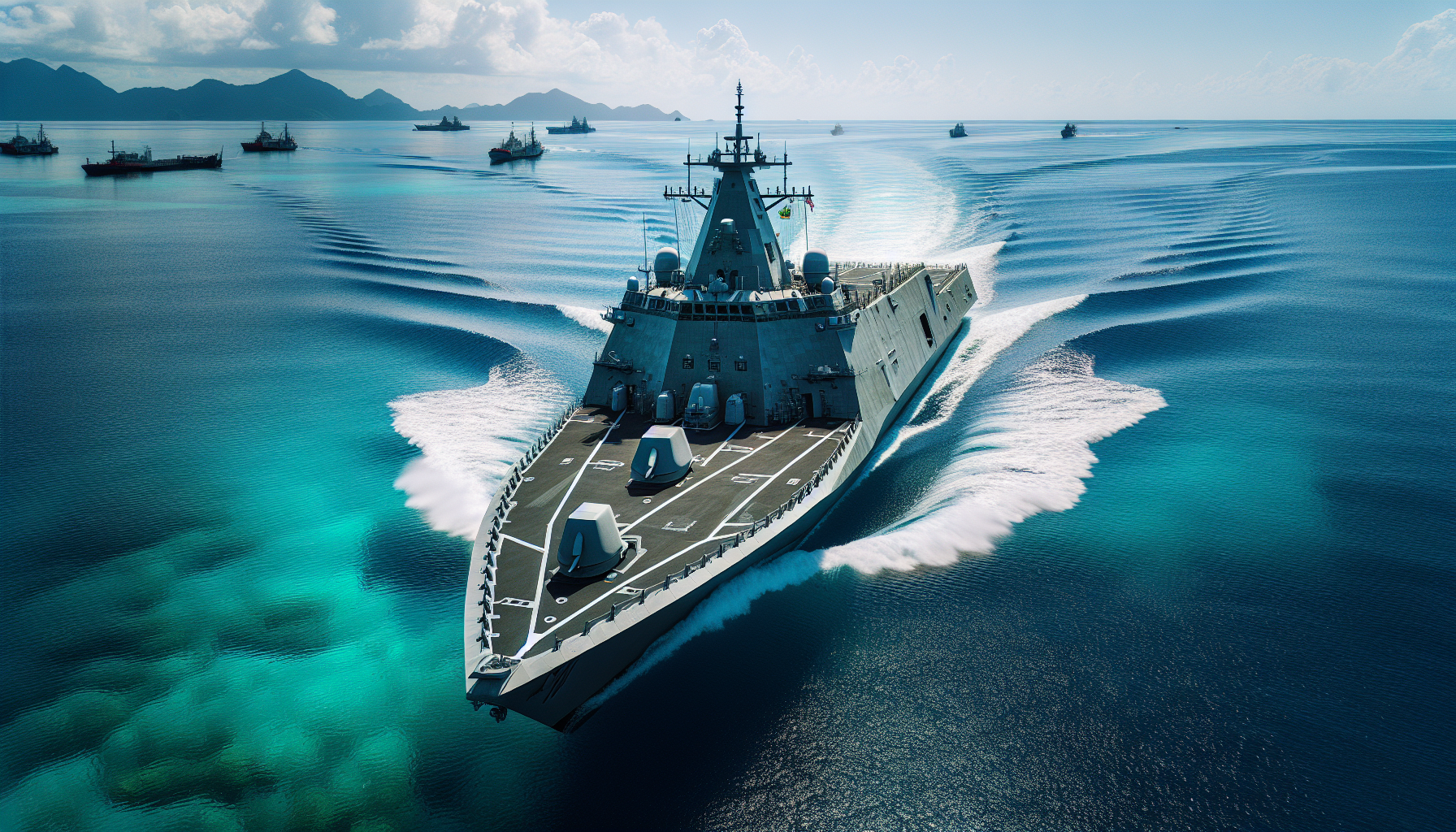
Technical issues surrounding the LCS program continue to present reliability concerns. Limitations in the hardware and software components have raised questions about overall mission readiness and sustainability in operational environments, necessitating ongoing enhancements.
Criticism from Defense Analysts
Defense analysts have remained vocal regarding the shortcomings of the LCS program, often framing it within broader critiques of defense procurement and strategic decision-making processes. Such critiques underscore the need for continuous assessments of naval capabilities and operational strategies.
Comparison with Legacy Systems
A comparative analysis with legacy systems reveals both strengths and weaknesses in the LCS’s design and operational flexibility. While legacy systems may offer reliability rooted in established technologies, the LCS seeks to innovate within contemporary warfare paradigms—an endeavor that carries inherent risks.
Feedback from the Naval Community
The perception of the LCS varies significantly between different stakeholders within the naval community, ranging from active-duty personnel to defense analysts.
Reactions from Active Duty Personnel
Active duty personnel operating LCS vessels offer insights that illustrate their experiences and struggles. Feedback often highlights the adaptability and potential of the platform while voicing concerns regarding technical challenges and operational limitations encountered in the field.
Views from Defense Analysts
Defense analysts maintain a diverse array of opinions regarding the LCS program, framing their assessments within broader frameworks of naval strategy and capability development. Their insights contribute to a more comprehensive understanding of the program’s implications on national security.
Public Perception of the LCS
Public perception, shaped by media reporting and popular sentiment, often mirrors the ongoing discourse surrounding the LCS’s efficacy. Awareness of both the program’s challenges and its adaptive efforts in mine countermeasures reflects a complex interplay between perception and operational reality.
Comparison with Other Naval Assets
To fully comprehend the positioning of the LCS within the broader context of U.S. naval capabilities, comparisons with other naval assets must be explored.
Role of the Avenger-Class Ships
The Avenger-class ships have historically served as mine countermeasure platforms, offering invaluable operational experience and reliability. As the LCS shifts toward mine warfare, understanding how these legacy systems have performed can guide future advancements in naval strategy.
Strengths of the LCS vs. Other Vessels
The LCS distinguishes itself from other vessels through its modular design and adaptability, presenting opportunities for rapid deployment and versatility. While challenges remain, its unique design offers potential advantages in contemporary naval engagements.
Future of Mine Warfare Capabilities
Looking ahead, the future of mine warfare capabilities hinges on further advancements in technology and operational strategy. The LCS’s adaptable framework could potentially position it as a vital component in safeguarding maritime routes amidst evolving threats.
Conclusion
In summarizing the key findings regarding the LCS program, it is evident that while challenges persist, the shift towards mine countermeasures encapsulates a strategic recalibration crucial for modern naval operations. The advancements in unmanned technologies and operational assets position the LCS favorably in addressing contemporary mine threats.
Summary of Key Findings
You have gleaned insights into the multifaceted nature of the LCS program—the program’s historical challenges, recent operational deployments, and technological advancements. These components combine to form a nuanced understanding of the program’s trajectory amidst shifts in maritime security paradigms.
Outlook for LCS in Mine Countermeasures
The outlook for the LCS in mine countermeasures appears promising, contingent on the continued refinement of operational strategies and technological enhancements. The Navy’s commitment to resolving perceived shortcomings while leveraging existing advantages will be paramount in shaping future success.
Final Thoughts on Naval Strategy Adaptation
Ultimately, the LCS serves not only as a vessel but as a reflective case study in naval strategy adaptation. Its journey illustrates the necessity of resilience, innovation, and collaboration required to navigate the complexities of modern maritime warfare successfully. The LCS’s evolution signifies an ongoing adaptation to maritime threats, reaffirming the Navy’s commitment to maintaining a robust and capable fleet in safeguarding national interests at sea.