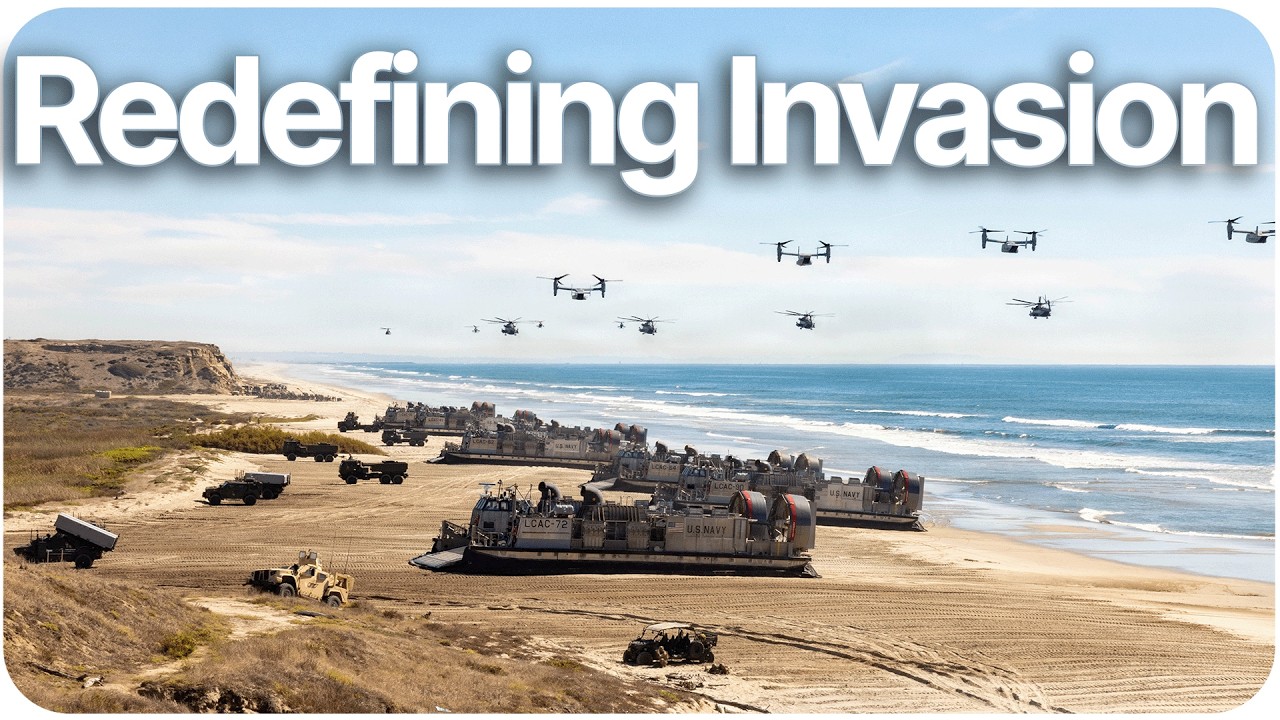
The evolution of amphibious operations undertaken by the United States Marine Corps stands as a testament to military innovation and adaptation. This article examines the contemporary methods employed by Marines to storm beaches, contrasting historical tactics from their first landing in 1776 to the modern day. It highlights the integration of technology, including drones and long-range missiles, which has transformed traditional assault strategies into more precise and effective operations.
By exploring concepts such as Force Design 2030 and Expeditionary Advanced Base Operations (EABO), you will gain insight into the strategic framework guiding the Marine Corps’ current practices. This analysis not only reflects on the historical progression but also illustrates the implications of these advancements in the context of potential modern-day conflicts within the Indo-Pacific region.
Historical Overview of Amphibious Operations
First Beach Landings in 1776
The origins of modern amphibious operations can be traced back to the revolutionary fervor of 1776, when the Continental Army executed its first significant beach landing. This operation, occurring during the American Revolutionary War, was not merely a tactical maneuver but a bold statement of intent against British colonial authority. You can envision the scene: troops, primarily composed of less trained soldiers, braving the uncertainties of the sea, landing under the threat of enemy fire, their resolve epitomizing the spirit of a fledgling nation. The landings were characterized by a lack of sophisticated planning and inadequate naval support, highlighting the nascent state of amphibious warfare at that time.
Key Historical Amphibious Assaults
As the centuries progressed, several pivotal amphibious assaults demonstrated the evolution of tactics and strategies in this domain. The landings at Gallipoli during World War I and the more robust operations of the Allied forces during World War II, notably at Normandy, were watershed moments that reshaped military understanding of amphibious warfare. Each operation taught vital lessons about coordination, timing, and the necessity of robust logistical support. The Marines’ historical assaults, including the brutal confrontation at Iwo Jima, exemplified the need for improved strategies that went beyond mere shock-and-awe tactics.
Lessons Learned from Previous Conflicts
These historical events offered myriad lessons regarding the complexities of conducting successful amphibious operations. You learned that effective communication between ground troops and naval forces is paramount; without it, confusion can lead to catastrophic outcomes. The importance of intelligence gathering and reconnaissance was also underscored, as gaining the upper hand on enemy positioning could significantly enhance the chances of success. Moreover, historical precedents underscored the need for flexibility in command structures, enabling a rapid adaptation to the unpredictable nature of conflict.
Evolution of Marine Tactics
Transition from Traditional Assaults
Amphibious assaults have experienced a radical transformation in combat philosophy and tactics. The traditional model of large-scale infantry waves charging headlong into enemy lines has evolved into a more nuanced approach that prioritizes stealth and precision. You might see modern Marines deploying small, agile units designed for reconnaissance and intelligence-gathering rather than brute force. This shift reflects a growing understanding that attrition warfare may no longer be viable in a world populated by advanced technologies.
Incorporation of Technology
The integration of technology into amphibious operations has been a game-changer. You would recognize this evolution in the plethora of sophisticated equipment Marine units now utilize, including drones for aerial surveillance and advanced landing craft capable of operating from greater distances. The reliance on real-time intelligence has heightened operational effectiveness, allowing Marines to capitalize on fleeting opportunities presented by the chaotic dynamics of the battlefield.
Development of Small Unit Tactics
The capacity for rapid deployment and the efficacy of small unit tactics have reshaped Marine operations. The importance placed on the empowerment and flexibility of unit leaders enhances the operational tempo, allowing units to respond swiftly to changing circumstances. By utilizing small, versatile groups capable of independent reconnaissance and assault, the Marine Corps increases its adaptability in complex environments, ensuring that effective strikes can be executed even in heavily contested areas.
Current Goals of Marine Corps

Strategic Focus for the Indo-Pacific
As geopolitical tensions intensify in the Indo-Pacific, you observe the strategic recalibration within the Marine Corps aimed at countering potential adversaries. The Corps’ current emphasis on partnerships in the region signals a determination to strengthen alliances and enhance interoperability with regional partners. This is not just about deterrence; it is also about demonstrating a commitment to access and influence in a dynamic and contested theater.
Adapting to Modern Warfare
In a rapidly changing landscape characterized by unconventional threats and asymmetric warfare, the Marine Corps is focused on innovation and adaptability. Each strategic update requires analysis not only of traditional enemies but also of non-state actors utilizing guerrilla tactics and cyber capabilities. You can see how efforts to enhance agility and responsiveness in combat operations directly correlate with the changing nature of warfare itself.
Force Design 2030 Objectives
Force Design 2030 outlines a vision for a future Marine Corps that incorporates cutting-edge capabilities while downsizing traditional units. You can expect an emphasis on remote sensing and fire-support capabilities, enabling a focus on high-tech, long-range operations rather than large-scale troop deployments. This change allows the Corps to remain a formidable force while optimizing its resources for the unique challenges of modern warfare.
Emerging Technologies in Beach Assaults
Use of Drones for Reconnaissance
The utilization of aerial reconnaissance drones marks a revolutionary advance in military tactics. You observe how these unmanned vehicles provide critical intel in real-time, enhancing situational awareness and enabling Marines to conduct more informed assaults. Drones can scout enemy positions, assess terrain, and identify obstacles before the landing forces arrive, significantly reducing risks associated with surprise encounters.
Role of Long-Range Missiles
Long-range missile capabilities have redefined the landscape of beach assaults, enabling forces to effectively engage targets from a greater distance. You recognize this development as a significant deterrent against enemy defenses, making it possible to neutralize threats before ground troops even reach the shoreline. The use of such precision-guided munitions creates a tactical advantage that previous generations could scarcely have imagined.
Integration of AI in Operations
Artificial intelligence is poised to transform operational planning and execution. You might picture AI algorithms analyzing vast amounts of battlefield data in real time, thus facilitating quicker and more accurate decision-making processes. This integration reduces human error and enhances the predictive capabilities of military operations, allowing for a more structured approach to beach assaults that leverages available intelligence.
EABO: Expeditionary Advanced Based Operations
Concept and Objectives
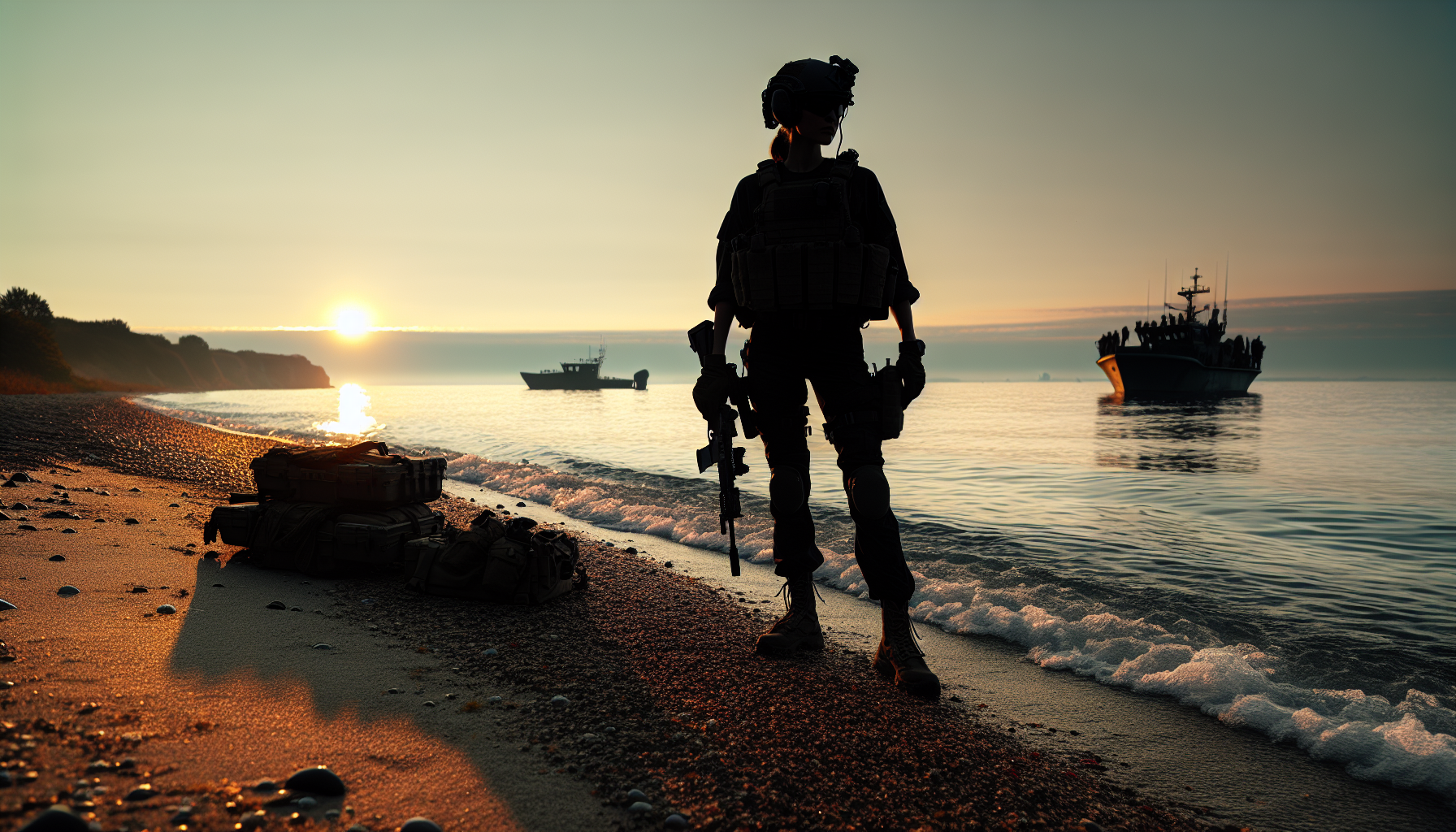
Expeditionary Advanced Based Operations (EABO) is a framework designed to maximize Marine Corps’ capabilities in a dispersed and contested environment. You can see how EABO’s primary objectives involve establishing and maintaining a logistics chain that is both flexible and robust. This ensures that the Corps remains responsive to threats while maintaining operational effectiveness in geographically dispersed locations.
Implementation in Current Operations
In current operations, EABO principles are increasingly being integrated into strategies for deploying forces. You might recognize that the focus on establishing forward operating bases allows for rapid response capabilities, essentially enabling Marines to project power from areas close to potential conflict zones. The utility of EABO is evident in joint exercises and real-world situations alike, reflecting its adaptability to various mission profiles.
Benefits of EABO for Marine Tactics
The benefits of adopting an EABO framework are multifaceted. You would note that by improving distribution and operational reach, the Marine Corps can enhance deterrence against potential adversaries. Additionally, the ability to operate in smaller, agile units provides a high degree of flexibility that is critical in volatile environments. This approach not only conserves resources but also enhances the effectiveness of amphibious operations significantly.
Operational Phases of Modern Beach Assaults
Planning and Intelligence Gathering
The planning phase for modern beach assaults is marked by an extensive emphasis on intelligence gathering. You may envision a comprehensive pre-assault analysis that includes reconnaissance data, enemy positions, and environmental factors affecting operations. This meticulous planning stage ensures that all contingencies are considered, allowing for flexibility and adaptability during execution.
Execution of Landing Operations
During the execution phase, precision and coordination are essential. The contemporary landing operations you may observe will utilize a combination of naval assets, aerial support, and ground troops, synchronized into a cohesive unit. Commanders rely heavily on real-time data and feedback to adjust operations as necessary, ensuring that each movement is calculated and effective.
Post-Landing Maneuvers
Post-landing, the operational tempo shifts to securing the beachhead and establishing a foothold. You notice the importance of swift action in consolidating gains and repelling any immediate counterattacks. Modern tactics emphasize continuity of operations; this phase is critical for maintaining momentum and ensuring that the initial success translates into lasting operational objectives.
Coordination with Other Forces
Joint Operations with Navy
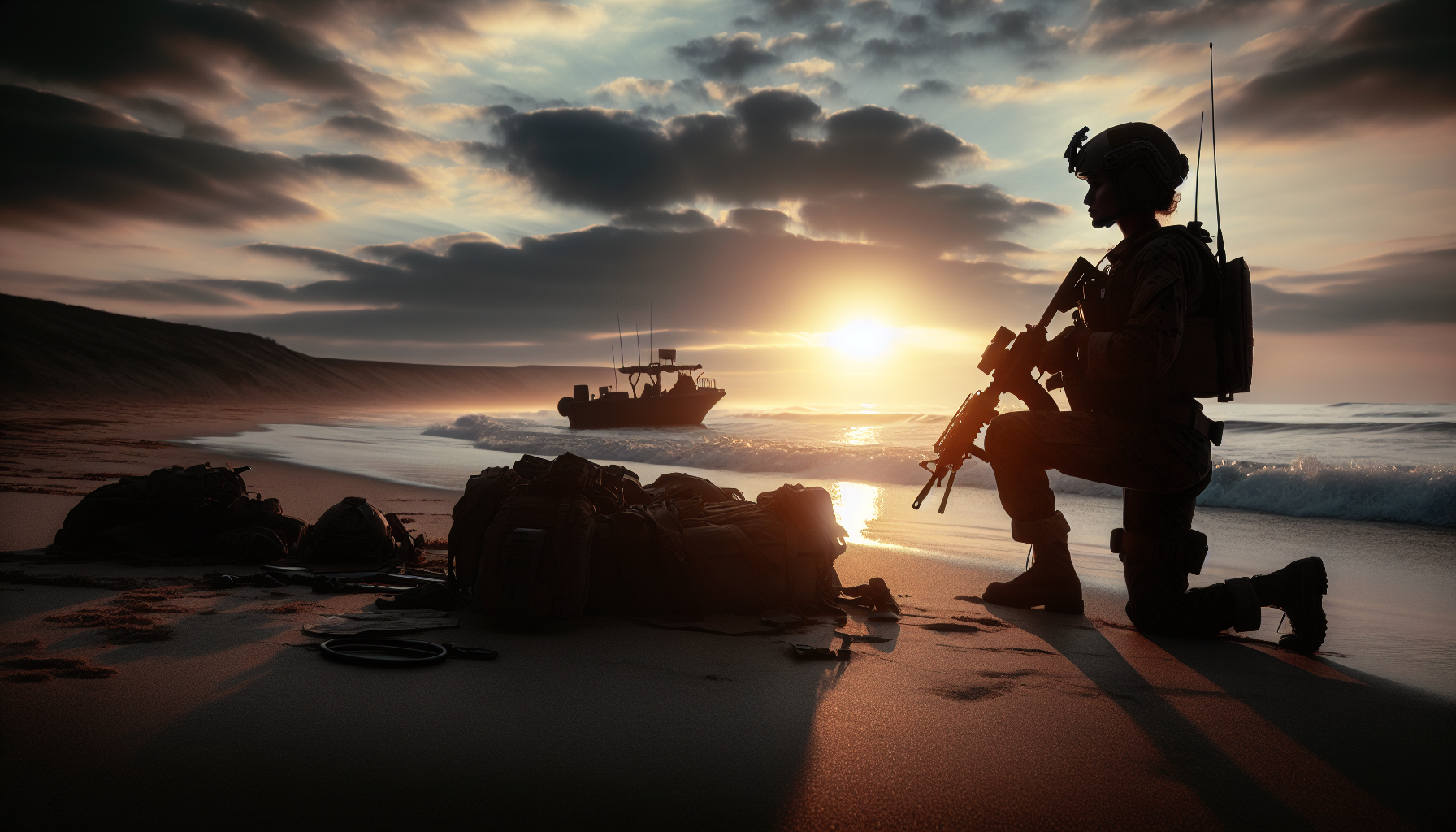
Essential to modern amphibious assaults is the integration of naval forces. You recognize the importance of seamless coordination between Marine units and the Navy, leveraging their firepower and logistical capabilities to enhance operational effectiveness. This partnership is foundational, as it enables the complex interplay of air, land, and sea assets.
Collaboration with Air Support
The role of air support cannot be understated. You are likely aware of how close air support mechanisms provide critical firepower during landing operations, helping to suppress enemy defenses that threaten ground troops. Coordinating air strikes in real-time requires an intricate understanding of the battlefield and demands a high degree of proficiency and training.
Integration with Allied Forces
In a world characterized by multilateral engagements, the integration of allied forces into amphibious operations is increasingly vital. You appreciate the complexities this brings, as forces must operate in unison while navigating differing command structures and operational doctrines. Joint exercises and collaborative training initiatives enhance interoperability, ensuring that Marine Corps units can effectively work alongside coalition partners in diverse scenarios.
Challenges in Modern Beach Assaults
Environmental Considerations
Contemporary beach assaults must navigate numerous environmental challenges, including geographic peculiarities and weather conditions. You may find it particularly striking how terrain and climate can affect planning and execution. Knowledge of local conditions can determine the success of an operation, necessitating extensive preparatory work to mitigate potential pitfalls.
Enemy Countermeasures
Adversaries have adapted to counter the advantages presented by modern amphibious assaults. You recognize that enhanced enemy capabilities — such as advanced surveillance systems and missile technology — can pose considerable challenges. The need for deception tactics, electronic warfare, and counterintelligence strategies is paramount in mitigating these threats to operational integrity.
Logistical Challenges
Conducting an effective amphibious operation demands immense logistical coordination, a challenge that is magnified in modern warfare. You may appreciate that ensuring timely delivery of supplies, personnel, and equipment is crucial, especially in contested environments. The complexity of planning and executing a successful operation hinges on the effectiveness of logistical networks, which must remain resilient under stress.
Training and Preparation of Marines
Modern Training Programs
The training regimen for Marines has evolved significantly in response to changing operational paradigms. You can observe how modern training programs encompass not only traditional combat skills but also emphasize technological competency and adaptability. The inclusion of scenarios that reflect contemporary warfare prepares Marines more effectively for future engagements.
Simulation and Exercises
Simulations and joint exercises facilitate invaluable experiential learning opportunities. You may see Marines engaging in high-pressure environments that mimic real-world conditions, reinforcing teamwork and coordination skills. The use of advanced simulations allows for repetitive practice without the associated risks, ensuring that units can refine their tactics and strategies before actual deployments.
Emphasis on Readiness
Emphasizing readiness is a foundational aspect of contemporary Marine Corps training. You can appreciate the implications of a well-prepared force, capable of rapidly deploying and engaging in diverse scenarios. This readiness-oriented culture drives unit cohesion and enhances the overall effectiveness of Marines in meeting modern operational demands.
Conclusion
Recap of Historical Developments
Reflecting on the historical trajectory of amphibious operations, you come to understand that the lessons learned from past engagements have significantly shaped contemporary Marine tactics. The evolution from the primitive landings of 1776 to the technologically advanced operations of today reveals a continuous adaptation to emerging challenges.
Summary of Modern Techniques
Today’s amphibious operations combine historical insights with cutting-edge technology. You recognize the value of small unit tactics, the integration of drones and AI, and the emphasis on EABO framework that enhances operational effectiveness. This amalgamation represents a paradigm shift in how conflicts will be approached in the future.
Final Thoughts on Future Amphibious Assaults
As you contemplate the future of amphibious assaults, it is evident that adaptability and innovation will remain paramount. The ongoing development of operational strategies and technologies ensures the Marine Corps will continue to play a vital role in national defense, aptly prepared to face the multifaceted challenges that lie ahead. You may feel confident that these refinements not only honor the legacy of those who have gone before but also equip today’s Marines with the tools necessary to achieve their objectives in an ever-evolving battlefield.