
The Army’s Typhon missile system marks a significant advancement in ground force capabilities, particularly with its deployment to Japan. This article will explore the technical specifications of the Typhon system, its operational mechanics, and its strategic importance in the Pacific theater. In addition, it will examine the rationale behind its development at this juncture and the implications for military readiness in response to evolving geopolitical tensions.
Furthermore, the piece will analyze the potential reactions from key global powers, specifically China and Russia, in light of the Typhon’s introduction. By investigating these dynamics, a clearer understanding of the implications for future conflicts and the overall landscape of military operations will emerge. The content aims to foster a deeper discussion regarding the evolving nature of defense strategy in the context of contemporary security challenges.
Overview of the Typhon Missile System
Definition and Purpose of Typhon
The Typhon missile system represents a significant evolution in ground-based military capabilities. Essentially, it serves as a sophisticated platform designed to enhance long-range strike power for ground forces. By integrating advanced missile technologies such as the Tomahawk and SM-6, Typhon aims to provide a versatile and formidable option for engaging targets at extended distances. This system is strategically aimed at augmenting the U.S. Army’s ability to project power and achieve tactical objectives in increasingly complex global scenarios.
Key Features and Specifications
The Typhon system is characterized by its advanced technological features and operational capabilities. It is designed to support various air-to-surface strike missions, boasting a modular architecture that allows for flexibility in deployment and mission customization. The launch systems are equipped with advanced targeting capabilities, utilizing state-of-the-art guidance technologies that enhance precision for both land and naval operations. Specifications include a robust range for target engagement and high-speed delivery, enabling it to effectively reach potential adversaries with minimal detection risk.
Differences from Previous Missile Systems
What distinguishes Typhon from earlier missile systems is its unique integration of proven missile technologies combined with innovative guidance systems. Unlike its predecessors, which were often limited to specific platforms or operational contexts, Typhon can be deployed in diverse environments, adapting to the needs of different missions. It features an improved data link that facilitates real-time targeting adjustments and operational coordination across various military branches. This multidimensional approach marks a significant shift in how ground forces can engage targets in coordination with aerial units.
Strategic Importance of Typhon
Enhancing Ground Forces’ Capabilities
The Typhon missile system plays a crucial role in bolstering the capabilities of ground forces. By extending their range and enhancing strike precision, it allows ground troops to engage targets that were previously outside their operational reach. This capability is critical in modern warfare, where the element of surprise and the ability to strike quickly and decisively can determine the outcome of military engagements.
Integration with Existing Missile Technologies
Typhon’s development is marked by its seamless integration with established missile technologies such as the Tomahawk and SM-6. This interoperability ensures that ground forces can utilize existing infrastructure and familiarity with these systems, thereby facilitating quicker adaptation and operational efficiency. It also enhances joint operations capabilities, allowing for coordinated strikes involving air, sea, and land assets.
Long-Range Strike Objectives
Typhon’s design prioritizes long-range strike objectives, essential for countering modern threats. In a landscape populated by advanced adversaries who possess sophisticated air defenses, the ability to strike from afar mitigates risks for ground forces. This capability not only serves current operational demands but is also pivotal in deterring potential aggressors, reinforcing the principle of deterrence within strategic military frameworks.
Motivations Behind the Development of Typhon

Current Geopolitical Climate
The contemporary geopolitical landscape necessitates advanced military capabilities. Rising tensions in various regions—including East Asia—highlight the urgency for the U.S. to bolster its defense posture. The Typhon system is a direct response to the perceptions of threats posed by nations such as China and Russia, which are increasingly assertive in their military postures. By introducing such advanced systems into allied operations, the U.S. aims to reassure partners and deter adversaries.
Lessons from Recent Conflicts
Recent conflicts have underscored the importance of having flexible and rapid-response military systems. Observations from engagements, particularly in the Middle East and Eastern Europe, indicate that the ability to strike decisively from ground positions can lead to significant tactical advantages. Typhon’s operational framework draws directly from these lessons, aiming to equip U.S. forces with the tools necessary to navigate future challenges effectively.
Advancements in Military Technology
Technological advancements play a pivotal role in the development of the Typhon system. Innovations in missile guidance algorithms, data communication, and launch mechanisms have all contributed to creating a more effective strike platform. The dynamic nature of military technology necessitates continual updates and enhancements; therefore, Typhon represents a commitment to keeping pace with rapid advancements in warfare methodologies.
Deployment of Typhon in Japan
Significance of the Japanese Deployment
The deployment of the Typhon system in Japan symbolizes a strategic pivot in military operations within the Pacific region. This relocation not only enhances Japan’s own defense capabilities but serves as a clear statement of collective deterrence against regional threats. The presence of Typhon in this area reflects the commitment to mutual defense arrangements under the U.S.-Japan security alliance and reinforces the effectiveness of collaborative military operations.
Impact on Regional Security Dynamics
Typhon’s deployment is poised to influence regional security dynamics significantly. It enhances Japan’s ability to respond to threats quickly and efficiently, thus contributing to a more balanced power dynamic in the Asia-Pacific. The increased strike capabilities could potentially deter adversarial actions by fostering an environment where potential aggressors must consider the immediate repercussions of their actions.
Collaboration with Allied Forces
The integration of Typhon into Japan’s military framework fosters enhanced collaboration with U.S. and allied forces. Such partnerships are crucial in strategizing responses to security challenges in the region. The synergy gained from shared assets, knowledge, and operational coordination is pivotal in ensuring comprehensive defense measures are enacted.
Operational Mechanisms of Typhon
Launch and Targeting Systems
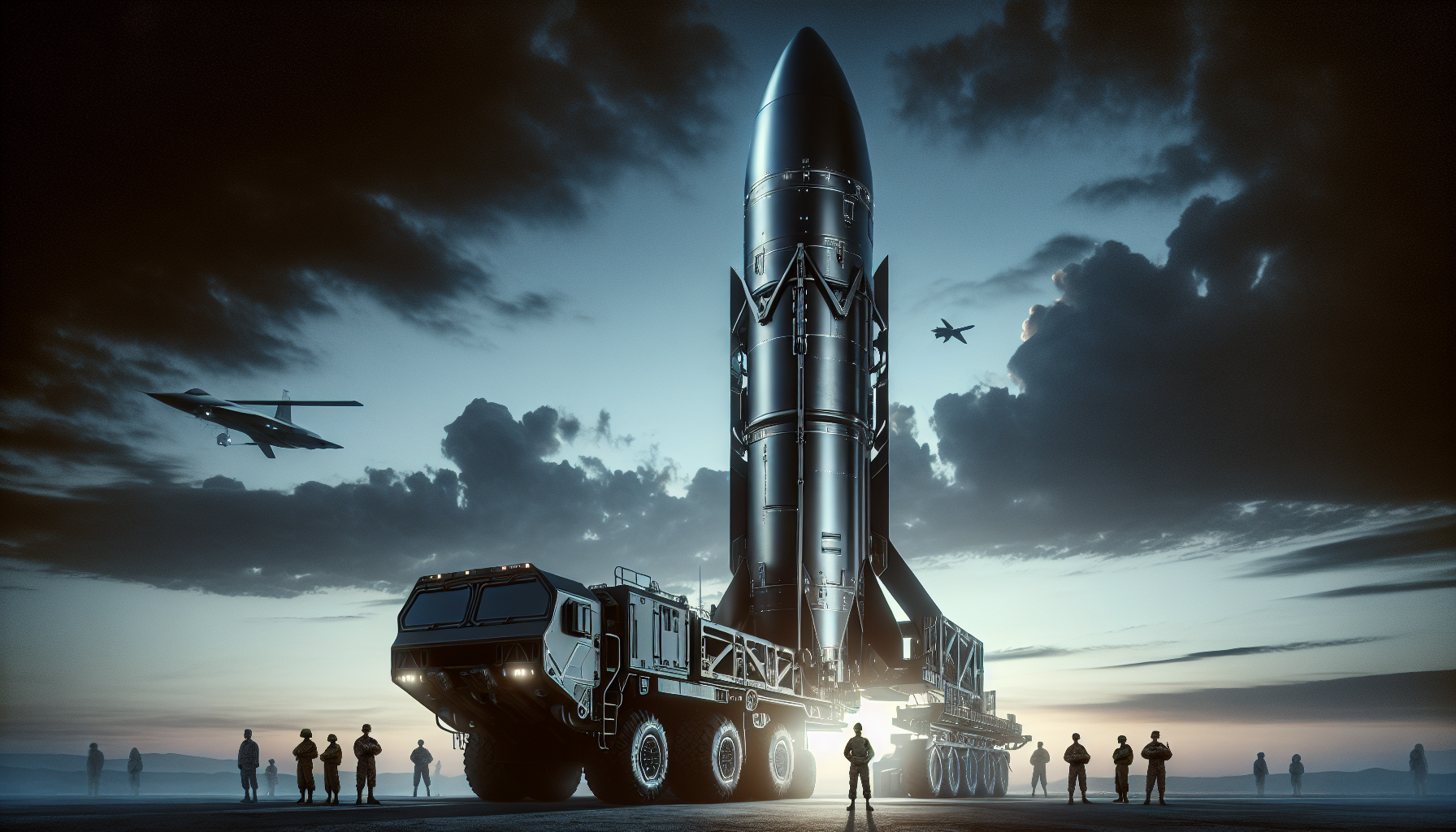
Typhon’s operational mechanisms are designed to ensure efficient launch procedures and precise target engagement. The launch systems incorporate innovations that allow for rapid initiation while maintaining a high degree of safety and efficacy. Targeting systems utilize advanced sensor technologies to provide real-time battlefield intelligence, allowing military commanders to make informed decisions promptly.
Types of Missiles Utilized
The Typhon system employs a variety of missile types: primarily the Tomahawk and SM-6. The Tomahawk missile is renowned for its long-range capabilities and precision, enabling it to engage static and moving targets. Conversely, the SM-6 provides a multi-mission capacity, bridging air defense and strike options. This versatility allows Typhon to adapt to diverse operational requirements.
Command and Control Structures
The command and control structures of Typhon are integral to its operational efficacy. They are designed to facilitate rapid decision-making and coordination among various military units. Using cutting-edge communication technologies, Typhon enables seamless integration across branches of service, ensuring that all assets can be deployed in a synchronized manner during operations.
Comparison with Other Missile Systems
Typhon vs. Tomahawk
While both Typhon and Tomahawk serve distinct purposes within military operations, they can also be complementary. The Tomahawk is primarily a naval missile known for its long-range ground strike capabilities. In contrast, Typhon enhances ground units with capabilities similar to Tomahawk while providing additional flexibility through its integrated systems. This distinction allows Typhon to function effectively within joint operations where coordination across land and sea becomes essential.
Typhon vs. SM-6
The comparison between Typhon and the SM-6 reveals differing operational focuses. The SM-6 is predominantly an air defense missile with multi-role capabilities, suitable for both air and sea threat engagements. Typhon, however, is tailored for ground force applications, providing deeper strike capabilities. The complementarity of these systems showcases their collaborative potential within a broader military strategy.
Role of Cross-Domain Operations
The concept of cross-domain operations is vital in assessing the operational potential of Typhon. As warfare evolves, the boundaries between different military domains—land, sea, air, and cyber—become increasingly blurred. Typhon’s design enables it to participate effectively in multi-domain operations, allowing ground forces to leverage air and sea capabilities in a coordinated manner, ultimately enhancing overall mission success.
Anticipated Impact on Future Conflicts
Shift in Warfare Paradigms
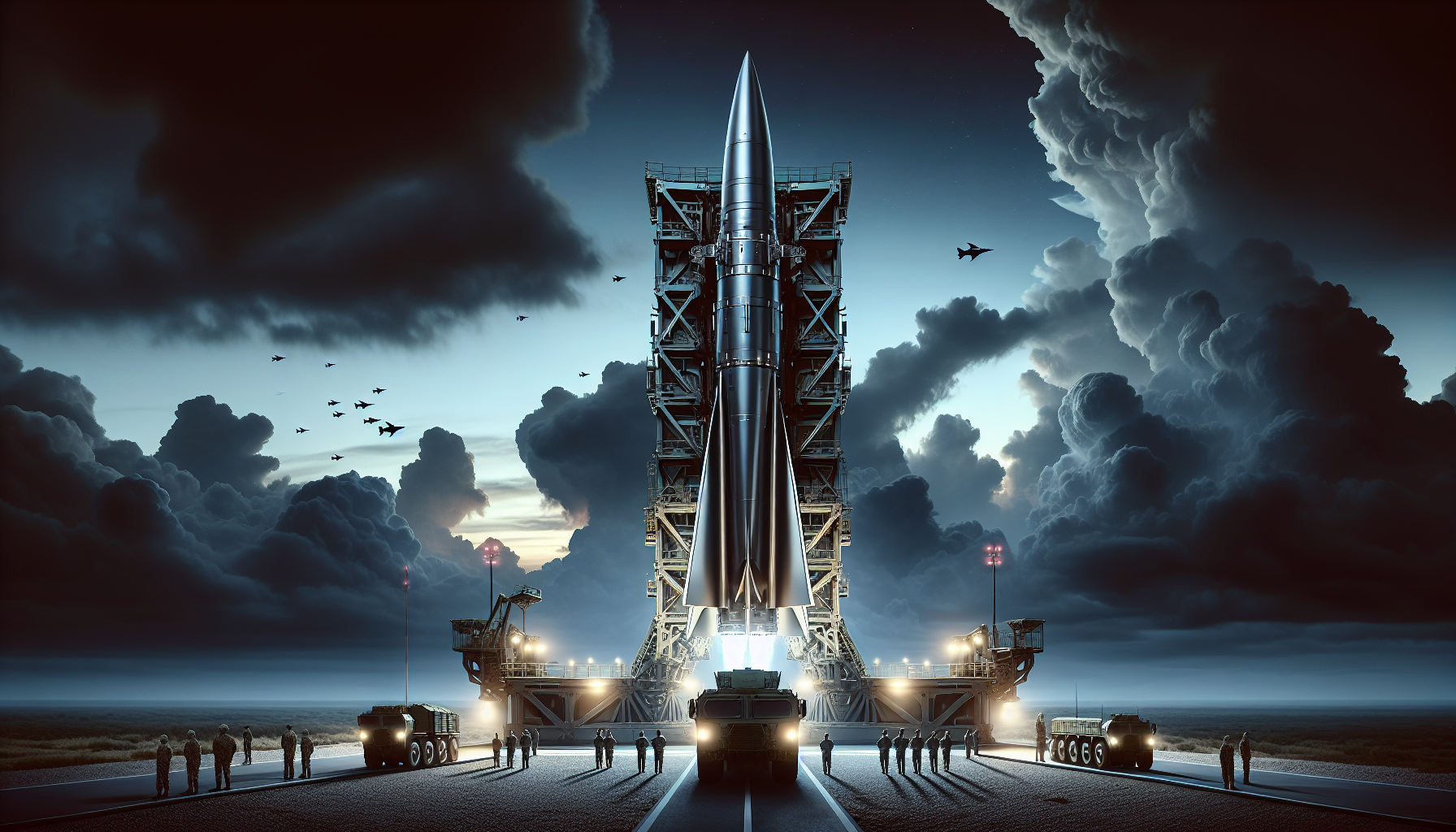
The introduction of the Typhon missile system signifies a potential shift in warfare paradigms. As modern conflicts demand agility, speed, and precision, Typhon’s capabilities may redefine how military engagements are envisioned and executed. The system embodies the trend toward precision warfare, where high-impact strikes are achieved with minimal collateral damage, providing ethical and strategic advantages in contemporary combat scenarios.
Potential Scenarios for Conflict Use
In envisioning potential scenarios for Typhon’s use, one can consider a wide range of conflict types—from localized engagements to larger-scale wars. Its long-range strike capabilities enable military planners to anticipate and counter threats before they materialize or escalate. As such, Typhon can serve as both a deterrent and a responsive tool in a variety of regional crises, particularly in volatile areas where rapid military response is paramount.
Implications for Terrain-Based Combat
The advent of Typhon carries significant implications for terrain-based combat. With the ability to strike from afar, ground forces are no longer limited by their geographic position. This changes the tactical approach to warfare, where the defense can engage aggressors before they enter unfavorable territories. Such capabilities foster new strategies that empower ground troops, potentially leading to a reevaluation of traditional combat roles.
Responses from Global Powers
Reactions from China
China’s response to the Typhon missile system has been characterized by heightened scrutiny and concern. As the system enhances U.S. capabilities in the Asia-Pacific, Chinese authorities may perceive it as a direct threat to their regional influence. In response, China is likely to bolster its own military assets, leading to an escalation in regional arms dynamics as nations reassess their strategic positions.
Reactions from Russia
Similarly, Russia views the deployment of the Typhon system with skepticism and caution. Given the historical context of U.S.-Russia relations, the introduction of advanced military systems could reignite tensions. Russian military experts may interpret Typhon as a challenge to their own sovereign territories and spheres of influence, prompting them to augment their missile defense and offensive capabilities.
Implications for U.S.-China Relations
The deployment of Typhon serves as a litmus test for broader U.S.-China relations. While it can be viewed through the lens of deterrence, it may also exacerbate existing tensions. This escalation has significant geopolitical implications, potentially leading to military posturing that disrupts diplomatic engagements. In this context, the Typhon system embodies both a tool for defense and a point of contention in international relations.
Technological Innovations and Future Developments
Emerging Technologies in Missile Guidance
The Typhon system is reflective of several emerging technologies that enhance missile guidance capabilities. Innovations in artificial intelligence (AI) and machine learning allow for improved targeting accuracy and adaptability. These technologies can analyze real-time data, enabling decision-making systems to execute strikes with increased precision, thus reducing the risk of collateral damage and improving operational efficiency.
Future Upgrades for Typhon
As military technology frequently evolves, future upgrades for Typhon will be essential for maintaining its strategic relevance. Potential modifications may include enhancements to its missile range, integration of advanced electronic warfare capabilities, or incorporation of next-generation sensor technologies. Continuous investment in these areas will ensure that Typhon remains a robust component of the U.S. military’s arsenal.
Potential New Military Partnerships
The importance of international collaboration cannot be overstated, especially regarding missile technology. Future developments may see the formation of new military partnerships aimed at sharing innovations and expertise related to the Typhon system. Such collaborations can enhance collective security measures and maximize the operational potential of allied forces, leading to more comprehensive defense strategies.
Conclusion
Summarization of Typhon’s Importance
In summary, the Typhon missile system embodies a significant advancement in ground force capabilities, strategically enhancing long-range strike options. Its integration with established missile systems coupled with advanced guidance technology offers a formidable instrument for modern military operations. Recognizing its role within a broader geopolitical context emphasizes Typhon’s importance in contemporary military strategies.
Final Thoughts on Future Military Engagements
As military technology continues to evolve, the Typhon system will likely play a pivotal role in shaping future military engagements. Understanding and adapting to these changes are crucial for effective strategic planning. Military leaders must continually assess the implications of systems like Typhon within the context of their operational environments and technological advancements.
Call to Monitor Military Developments
Finally, staying informed about the Typhon missile system and its implications is essential for comprehending the future of warfare. As nations evolve their defense strategies in response to emerging threats, the continued monitoring of military developments will provide insights valuable for policymakers, military leaders, and global stakeholders. Such diligence ensures preparedness in an increasingly dynamic security landscape.