
Lockheed Martin’s recent innovation, the Lamprey, represents a significant advancement in undersea technology. This autonomous multi-mission vehicle is engineered to attach to vessels, such as ships and submarines, thereby facilitating a range of underwater operations, including surveillance and electronic disruption. This article will examine the design and capabilities of Lamprey, its strategic implications for the Navy, and how it compares to existing unmanned underwater vehicles like DARPA’s Manta Ray and Boeing’s Orca XLUUV.
Moreover, the discussion will address the operational limitations of the Lamprey, encompassing issues such as endurance, communication, and autonomy. An exploration of these parameters is essential for understanding the broader context of unmanned underwater vehicles and their role in modern naval warfare. You will gain insight into the future trajectory of this technology and the implications it holds for maritime security and operational effectiveness.

Overview of the Lamprey Underwater Drone
Introduction to Lamprey’s Design
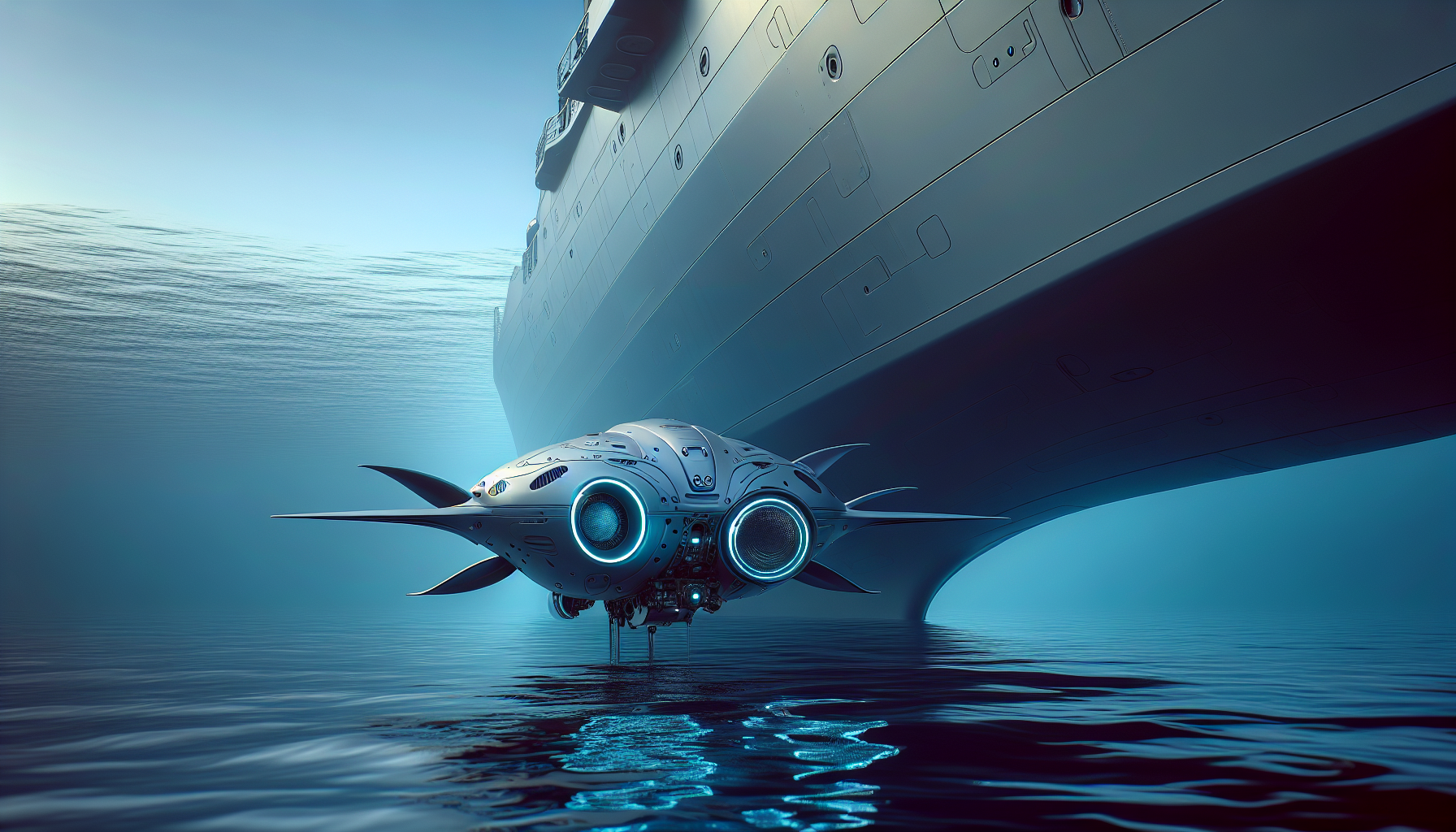
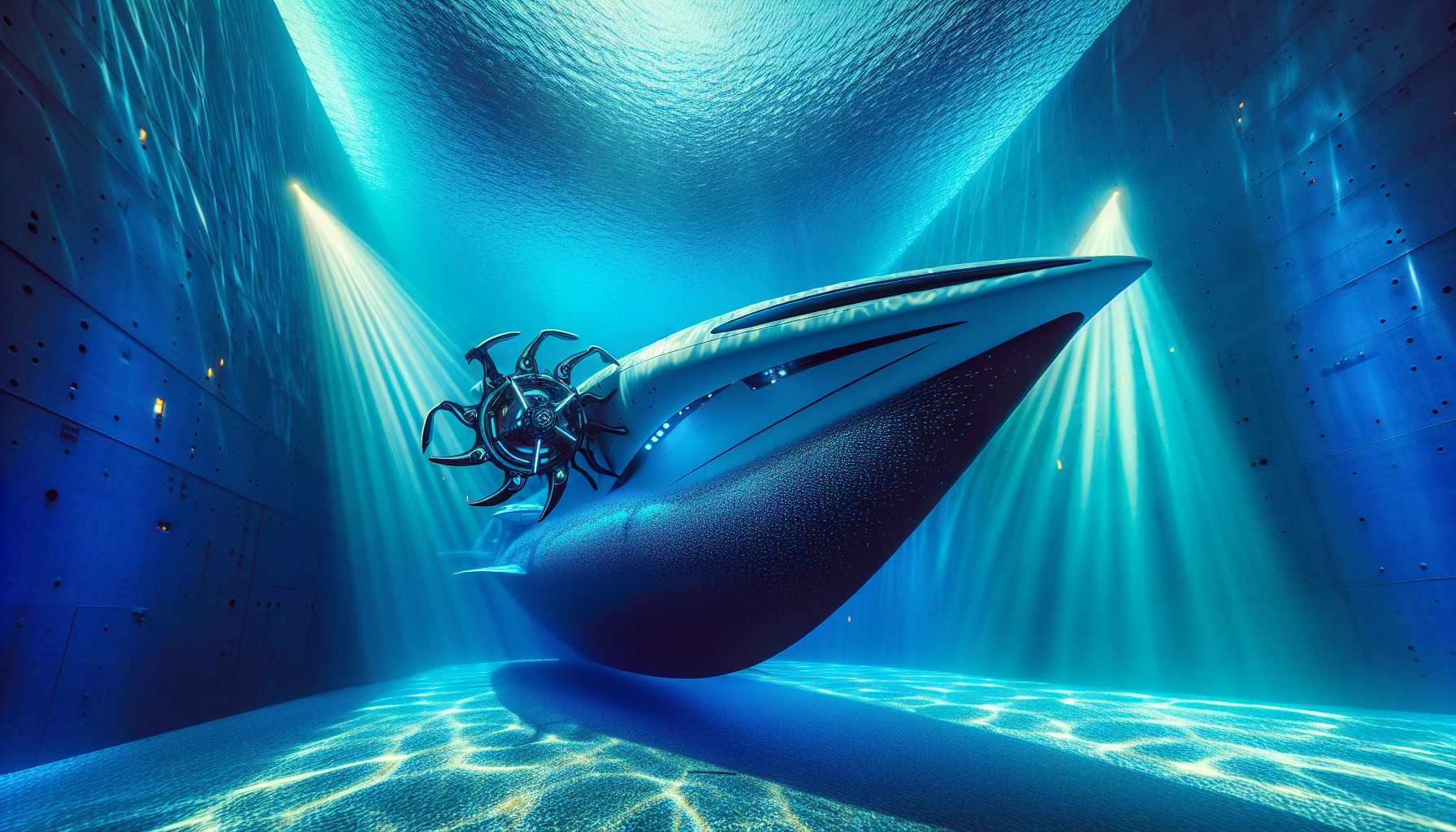
The Lamprey, developed by Lockheed Martin, presents a noteworthy advancement in autonomous undersea vehicles (AUVs). This multi-mission autonomous undersea vehicle (MMAUV) embodies a design that allows it to attach securely to ships and submarines, efficiently hitching a ride into operational theaters before detaching to execute a diverse range of missions. It is during these operations that the Lamprey showcases its versatility, from conducting surveillance to engaging in seabed exploration.
Key Specifications and Features
Lamprey is equipped with advanced technology and specifications that facilitate its multifunctional roles. It boasts a streamlined design for keen hydrodynamics, minimizing drag while maximizing stealth. Its payload capacity allows for the integration of various tools and instruments, enabling it to undertake critical missions such as reconnaissance, decoy operations, and the launching of unmanned aerial vehicles (UAVs). Additionally, its autonomy is a pivotal feature, permitting it to navigate complex underwater environments while executing pre-programmed tasks or adapting to new challenges in real-time.
Purpose and Applications of the Drone
The primary purpose of Lamprey lies in enhancing naval operational capabilities. Its applications span several domains, including undersea surveillance missions, where it can gather intelligence on enemy vessels or monitor critical undersea infrastructures such as cables and pipelines. Furthermore, the Lamprey can utilize its payload systems to act as a decoy, creating electronic disruptions or simulating larger platforms to mislead adversaries, thus adding a layer of strategic advantage for naval forces.
Operational Capabilities of Lamprey
Undersea Surveillance Missions
In undersea surveillance missions, Lamprey serves as an effective tool for intelligence gathering. Given its ability to operate stealthily and remain undetected, it can monitor maritime domains, capturing high-resolution imagery and data pertinent to both military and environmental assessments. Such capabilities are increasingly vital in an era where maritime security is challenged by both state and non-state actors.
Seabed Operations and Research
Lamprey’s design also lends itself well to seabed operations and scientific research. It can traverse varied underwater terrains, conducting exploration and mapping activities that support both military interests and civilian research endeavors. By both monitoring environmental conditions and gathering data on seabed structures, the Lamprey contributes to a greater understanding and management of oceanic resources.
Decoys and Electronic Disruption Techniques
An innovative feature of Lamprey is its utility as a mobile decoy. Equipped with electronic warfare capabilities, it can simulate or emit signals to mislead enemy sensors and disrupt communication networks. This feature is particularly useful in combat scenarios, where deception can lead to significant tactical advantages and reduce the likelihood of successful enemy engagements.
Launching UAVs from Underwater
One of the most sophisticated capabilities of Lamprey is its ability to launch UAVs from underwater. This function significantly extends operational range and versatility. By integrating aerial operations with undersea platforms, the Lamprey can facilitate a coordinated strike force capable of engaging targets across multiple domains, thereby enhancing the effectiveness of naval operations.
Strategic Importance for the Navy
Integration into Distributed Maritime Operations
As navies worldwide adapt to modern threats, the integration of unmanned systems like Lamprey into distributed maritime operations becomes imperative. This strategic shift emphasizes cooperative defense, wherein multiple assets work in unison across extensive maritime spaces. Lamprey can function as part of a larger network of unmanned systems, enhancing situational awareness and operational adaptability.
Focus on Unmanned Underwater Vehicles (UUVs)
The increasing focus on unmanned underwater vehicles (UUVs) reflects a broader trend in military strategy aimed at reducing human risks while simultaneously enhancing operational capacities. Lamprey stands at the forefront of this initiative, embodying the Navy’s commitment to investing in technology that addresses contemporary threats highlighted by escalating geopolitical tensions and the proliferation of advanced maritime capabilities among potential adversaries.
Enhancing Undersea Warfare Capabilities
Incorporating advanced systems like Lamprey is integral to enhancing undersea warfare capabilities. The United States Navy recognizes that as warfare evolves, so too must its strategies and toolsets. The utilization of autonomous platforms enables a strategic advantage through improved monitoring, more effective engagement tactics, and the capability to conduct operations in areas that are otherwise deemed too risky for human operatives.
Technological Context
Comparison with DARPA’s Manta Ray
When evaluating Lamprey’s potential, it is enlightening to compare it with DARPA’s Manta Ray project. While both systems emphasize versatility and autonomy, Manta Ray focuses on long-duration, high-endurance missions under varying conditions, including deeper deployments. In contrast, Lamprey’s design prioritizes adaptability and user-friendly operation, making it suitable for diverse missions without necessitating complex pre-deployment logistics.
Boeing’s Orca XLUUV Overview
Boeing’s Orca Extra-Large Unmanned Underwater Vehicle (XLUUV) also presents a compelling comparison. The Orca emphasizes payload capacity and long-range operations, aimed primarily at focusing on anti-submarine warfare and reconnaissance. Lamprey, on the other hand, promotes multi-mission utility in a more compact form, underscoring the Navy’s initiative to ensure a range of strategic capabilities.
Advancements in UUV Technology
The emergence of Lamprey signifies a broader trend in advancements within UUV technology. Innovations in battery life, navigation systems, and AI-driven decision-making are transforming the capabilities of these vehicles. Lamprey exemplifies the synthesis of these enhancements, aiming to deliver comprehensive operational capabilities while maintaining efficiency and psychological warfare elements critical for modern naval engagements.
Limitations and Challenges of Lamprey
Endurance and Range Constraints
Despite its advanced features and strategic importance, Lamprey faces inherent limitations, particularly concerning endurance and range. Operating underwater presents challenges in terms of battery life and data transmission capabilities. Consequently, longer missions may be constrained by these physical limitations, necessitating strategic planning around deployment intervals and intended operational areas.
Communication Technologies and Issues
Communication technology presents additional challenges. Submarine environments are characterized by high attenuation of signals, which can hinder real-time data transfer. While Lamprey employs cutting-edge communication systems, ensuring robust connectivity during critical missions remains a sophisticated task that requires ongoing innovation and adaptation.
Autonomy in Complex Environments
Autonomy represents a significant attribute of Lamprey, but achieving success in complex underwater environments remains a challenge. Obstacles such as dynamic underwater currents, varying depths, and underwater obstructions can complicate navigation and mission execution. Developing sophisticated algorithms for real-time decision-making will be paramount in enhancing its efficacy.
Potential Budgetary Constraints for Acquisition
Budgetary constraints may significantly impact the extent to which Lamprey is adopted by the Navy. As defense budgets face scrutiny, the competition for resources among various military initiatives intensifies. Therefore, securing funding for Lamprey will require a compelling case for its strategic importance and the value it adds to the naval operational framework.
Future Prospects for Lamprey
Upcoming Testing and Development Phases
Future prospects for Lamprey will hinge on successful testing and development phases. Trials will focus on refining its operational capabilities, assessing technological integrations, and ensuring it meets the diverse needs of naval operations. Engaging in collaborative exercises with other naval partners will also aid in determining its viability in real-world scenarios.
Anticipated Enhancements and Upgrades
Anticipating enhancements is integral to Lamprey’s evolution. As technology progresses, adding advanced sensors, improved propulsion systems, and more efficient energy management systems will broaden Lamprey’s operational capabilities. Continuous upgrades will be necessary to align with evolving military tactics and emerging threats in maritime environments.
The Role of Lamprey in Future Naval Strategy
In the context of future naval strategy, Lamprey is poised to play a pivotal role in shaping how the U.S. Navy navigates the complexities of modern maritime warfare. As global maritime dynamics shift, deploying systems such as Lamprey will be vital in ensuring strategic advantages in surveillance, reconnaissance, and offensive operations.
Impact on Undersea Infrastructure
Protection of Undersea Cables
One of the central applications of Lamprey is its potential role in protecting critical undersea communications cables. These cables are vital for global connectivity and are increasingly becoming targets for sabotage and interception. Lamprey’s surveillance capabilities can ensure these infrastructures remain secure, providing strategic depth to maritime operations and enhancing national security.
Monitoring Seabed Activities and Threats
The Lamprey also contributes to monitoring seabed activities and potential threats. This capability empowers naval forces to detect illegal fishing, unregistered commercial surveys, or the presence of hostile elements on or near vital maritime routes, thereby enhancing situational awareness and responding proactively to emerging threats.
Implications for Maritime Security
The integration of systems like Lamprey impacts overall maritime security significantly. As militaries invest in advanced autonomous vehicles, the battlespace becomes more complex. Actions taken by one nation can provoke countermeasures from adversaries, leading to an escalating arms race. Lamprey, therefore, contributes not only to military objectives but also to broader debates on regulating maritime conduct and securing international waters.
Public and Military Reception
Industry Reactions and Critiques
The introduction of Lamprey has sparked interest throughout the defense industry, with various stakeholders expressing both enthusiasm and caution. While many experts recognize the strategic potential of the drone, critiques arise regarding implementation and the practicality of fully autonomous systems in complex maritime environments.
Feedback from Military Experts
Feedback from military experts reveals a nuanced understanding of Lamprey’s capabilities. Professional assessments note its potential to enhance naval operations while highlighting the necessity for ongoing innovation to meet future challenges. This discourse shapes the expectations surrounding such advanced technologies and their adoption within naval operations.
Public Interest and Media Coverage
Public interest in advanced military technologies, including the Lamprey, has surged, driven largely by media coverage emphasizing the implications of new warfare methodologies. Commentary often centers on how such advancements may shift geopolitical landscapes, provoke new technological races, and influence global peace dynamics.
Comparison with Other Major U.S. Undersea Programs
Similarities and Differences with Existing Models
When comparing Lamprey to other U.S. undersea programs, notable similarities exist, such as the emphasis on autonomous operations and mission flexibility. However, differences often emerge in the intended scope and capabilities of each platform. Lamprey aims to provide multi-role functionality, while other models might focus on specific mission parameters.
Collaborative Efforts in UUV Development
The advancement of unmanned underwater vehicles is underscored by collaborative efforts across defense contractors and military branches. These partnerships enhance the development process and facilitate knowledge sharing, ultimately leading to the advancement of integrated systems like Lamprey that are suited to multifaceted operational needs.
Lessons Learned from Other Programs
Historical programs serve as vital lessons for the development of systems like Lamprey. Insights gleaned from earlier UUV implementations, including challenges with communication and battery life, can inform better design and functionality, ensuring that Lamprey reflects the most current innovations and best practices.
Conclusion
Summary of Lamprey’s Features and Importance
In summary, Lamprey represents a sophisticated leap in unmanned underwater vehicle technology, combining multi-mission capabilities with advanced operational features. Its design and functionality cater to a multitude of naval requirements, ensuring that it remains a valuable asset in the realm of maritime warfare.
Final Thoughts on the Future of UUVs
The future of unmanned underwater vehicles is bright, and innovations like the Lamprey signal a shift towards more integrated, responsive, and capable platforms. As challenges in maritime security intensify, the reliance on such technologies will only continue to grow.
Role of Innovation in Modern Naval Warfare
Above all, innovation remains at the heart of modern naval warfare. The existence and ongoing development of platforms like Lamprey underscore the necessity for the naval forces to adapt continuously, ensuring they remain equipped to confront the complexities of contemporary and future maritime conflicts. As innovation propels technological progress, it is crucial that strategy and deployment thoughtfully guide these advancements toward securing maritime dominance and operational excellence.