
The significance of Greenland in contemporary geopolitical contexts is paramount. This discussion examines the historical and current relevance of the island, particularly in light of shifting global power dynamics and environmental changes. You will explore the intricate relationship between the United States and Greenland, tracing back to World War II and the Cold War, and understanding how modern interests from Russia and China further complicate this relationship.
As climate change accelerates the melting of Arctic ice, Greenland’s geographical and strategic importance is becoming increasingly apparent. This analysis not only addresses the historical background and the key players involved but also offers insights into future implications concerning international relations and security strategies. By engaging with this examination, you will gain a comprehensive understanding of why Greenland’s role is vital at this juncture in history.
Greenland Matters: A Comprehensive Examination

Historical Context of Greenland
Early Settlements and Indigenous Culture
Greenland’s history can be traced back over a thousand years when the Thule people migrated from Canada, establishing communities primarily in the western regions. These early Inuit settlers adapted to the harsh Arctic climate by developing a subsistence economy based on hunting, fishing, and gathering. You must understand that the cultural practices, spiritual beliefs, and intricate social systems of these indigenous groups illustrative of their profound connection to the land are essential for grasping the contemporary socio-political dynamics of Greenland.
Colonial History and Danish Rule
The narrative of colonialism in Greenland began with the arrival of Danish explorers in the 18th century, leading to the formal annexation of Greenland by Denmark in the early 19th century. Understanding this colonial past is critical, as it has shaped not only Greenland’s economic framework but also its cultural identity. As you delve deeper, you will uncover the tensions that arose from imposed governance, which prioritized Danish interests over the rights and voices of the indigenous population. These historical injustices created a setting ripe for contemporary discussions surrounding autonomy and self-determination.
World War II and U.S. Interests
During World War II, Greenland’s strategic location garnered substantial attention from both the United States and Denmark. Recognizing the significance of Greenland for military operations, the U.S. entered into an agreement with Denmark, allowing for the establishment of bases on the island. This pivotal moment not only underscored Greenland’s military importance but also marked the beginning of a complex relationship with the U.S. that would continue into the Cold War era. As you reflect on this period, consider how these wartime dynamics set the stage for ongoing geopolitical tensions.
Greenland’s Strategic Importance During the Cold War
Early Warning Systems and Military Bases
As you shift your focus to the Cold War, you will find that Greenland’s geographical positioning made it a critical hub for U.S. military operations. Early warning radar systems were established to detect potential Soviet missile threats, allowing for a robust defense strategy that would later solidify Greenland’s importance in international military architecture. This period highlights how Greenland has often been viewed through a strategic lens, with implications that transcend traditional notions of territory and sovereignty.
The Role of Thule Air Base
Thule Air Base, established in the 1950s, became the cornerstone of Arctic defense strategies during the Cold War. You should understand the multifaceted role this base plays beyond mere military operations; it is also instrumental in intelligence gathering and atmospheric research. The base’s enduring presence raises critical questions about militarization, sovereignty, and the intricate balance of power in Arctic geopolitics, further complicating Greenland’s political landscape.
Soviet Threats and U.S. Defense Strategies
The looming threat of the Soviet Union accentuated the urgency of U.S. military initiatives in Greenland. As you analyze this period, consider how the geopolitical tug-of-war positioned Greenland as a frontline state, a reality that created both external pressures and internal conflicts regarding national identity and self-governance. The specter of Cold War tensions continues to resonate, influencing contemporary geopolitical strategies involving territorial claims and defense postures.
Geography and Climate of Greenland
Unique Geographic Features
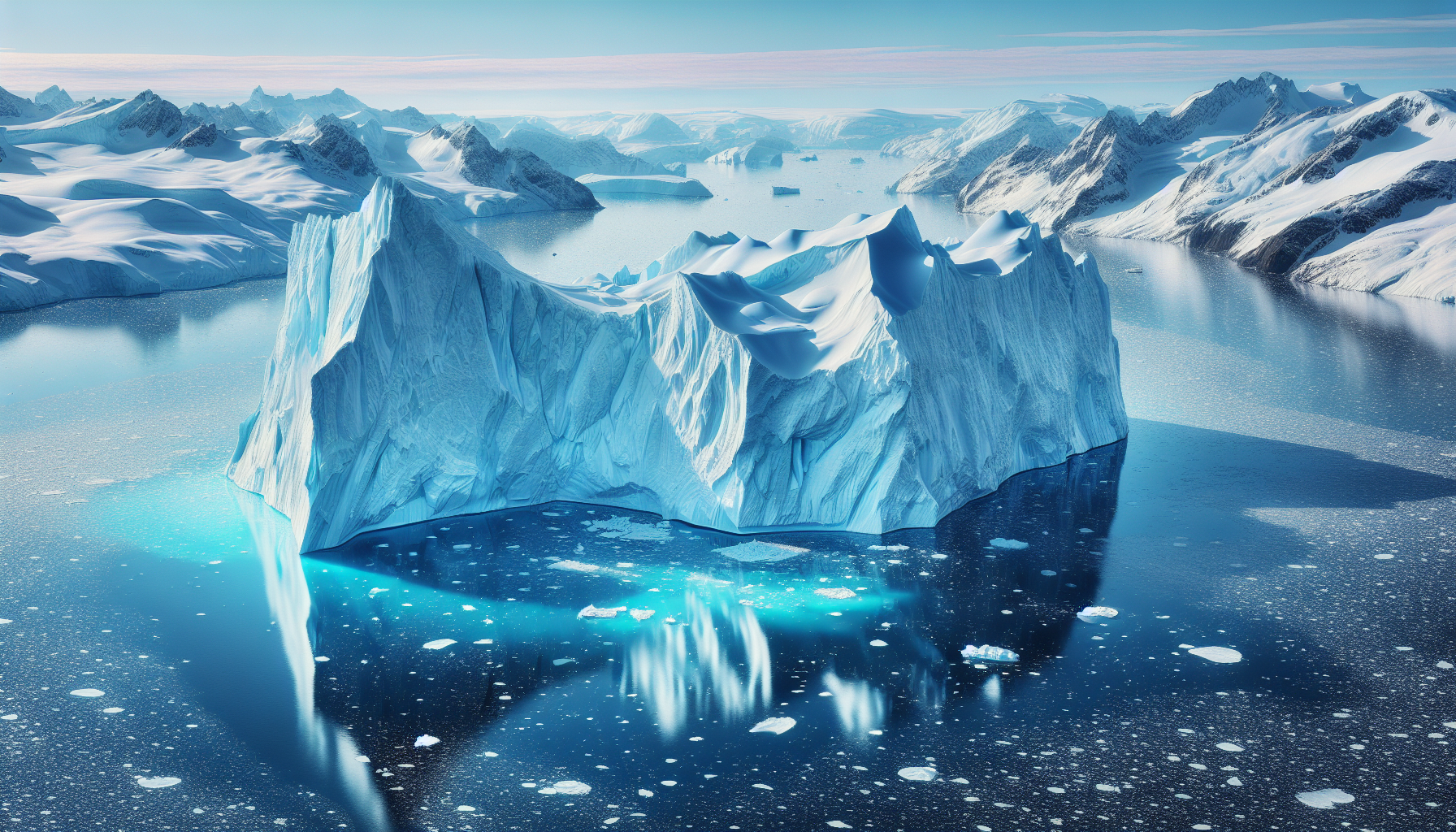
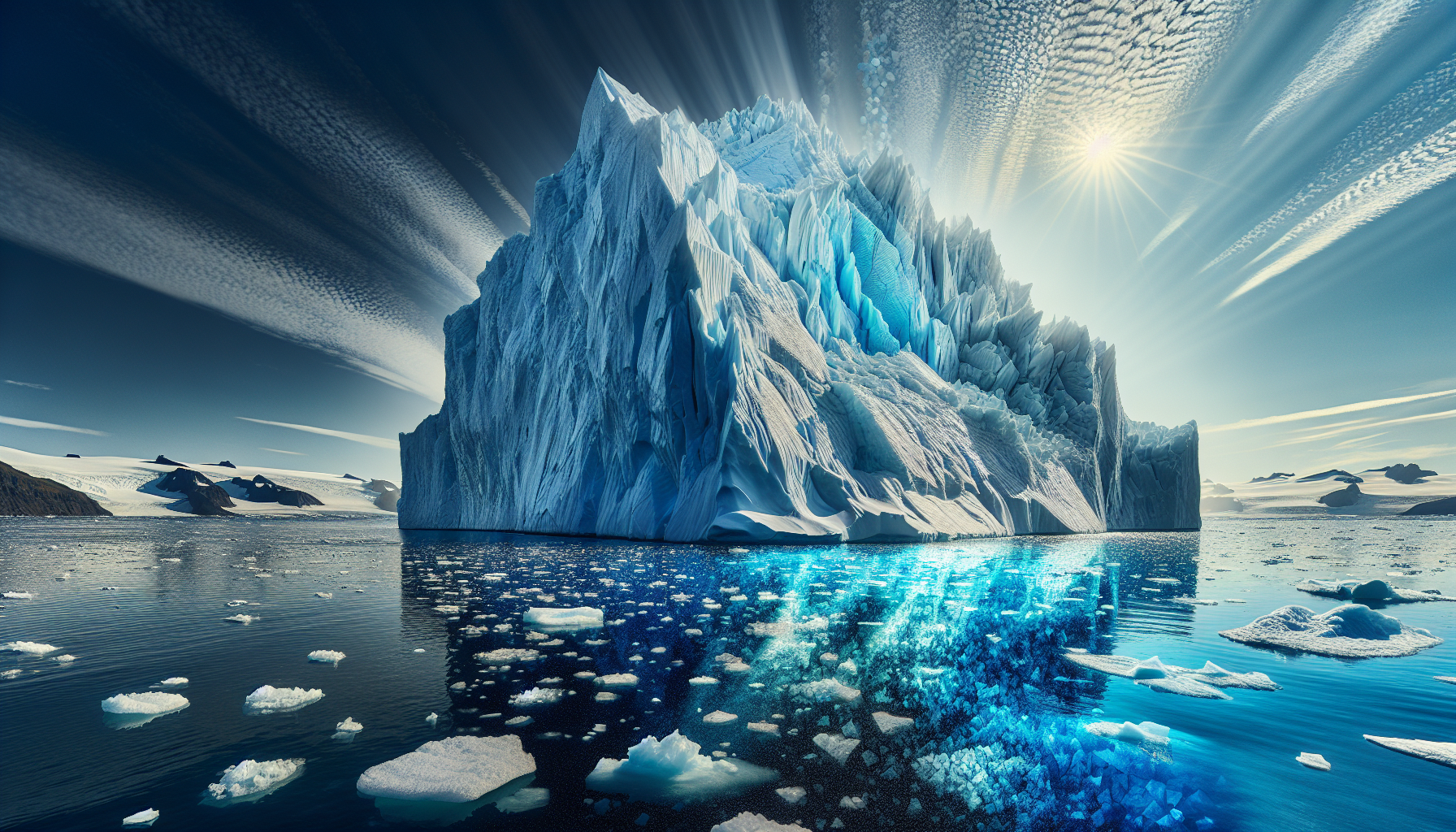
Greenland is characterized by a vast and unique geography comprising an extensive ice sheet, rugged mountains, and a diverse array of ecosystems. Understanding these features is crucial as they govern the environmental conditions and resource distribution critical to both local inhabitants and international interests. The interplay between ice, land, and sea reveals much about the region’s ecological importance and its role in global climate patterns.
Impact of Climate Change on Greenland
Climate change presents one of the most pressing challenges facing Greenland today. As you explore the ramifications of a warming climate, you will discover how rising temperatures have led to accelerated ice melting, altering not only local environments but also global sea levels. The urgency to understand and address these changes cannot be overstated; it is intertwined with the wider conversation about environmental justice and global responsibility.
Sea Ice Retreat and Global Implications
The retreat of sea ice in Greenland has profound implications far beyond its borders. Areas that were once inaccessible are now opening up, presenting both opportunities and threats. Extractive industries are eyeing newfound resource potential, while marine biodiversity faces unprecedented risks. You must consider the interconnectedness of these developments as they relate to climate policy and international relations, illustrating the far-reaching impacts of local changes on global scales.
Current Geopolitical Climate in the Arctic
Resurgence of Russian Military Activity
In recent years, there has been a notable resurgence of Russian military activity in the Arctic, raising concerns among Arctic nations, including the U.S. and its allies. You should pay close attention to Russia’s modernization of its military capabilities, as it seeks to assert its influence over strategic shipping routes and resource-rich territories. This resurgence not only complicates existing geopolitical frameworks but also amplifies the stakes for Greenland as a crucial player in Arctic affairs.
China’s Expanding Presence in the Arctic
China’s growing interest in the Arctic, referred to as its pursuit of the “Polar Silk Road,” illustrates another layer of complexity in Greenland’s geopolitical significance. As you assess China’s involvement, consider how its investment in infrastructure and scientific research impacts local communities and environmental conservation efforts. The challenge for Greenland lies in balancing foreign investments with the preservation of its indigenous cultures and natural resources.
Competition for Arctic Resources
The competition for Arctic resources, ranging from minerals to hydrocarbons, has intensified with changing climate patterns. You must recognize that Greenland’s vast untapped resources make it a focal point in this geopolitical contest. Consequently, the implications extend beyond economic development; they also involve navigating the intricate balancing act of environmental stewardship, indigenous rights, and international diplomacy.
U.S. Interests in Greenland Today
Mineral Resources and Economic Opportunities
The potential for mineral extraction has drawn renewed attention from the U.S. and other global powers. As you explore this aspect, keep in mind the dual narratives of economic opportunity and environmental risk. While Greenland is rich in resources such as rare earth minerals and precious metals, the environmental consequences of extraction initiatives pose significant challenges that must not be overlooked.
Military Strategic Interests
The strategic military interests of the U.S. in Greenland remain robust, especially given recent geopolitical developments. The potential expansion of U.S. military bases and early warning systems amid increasing rivalries creates a profound impact on Greenland’s political dynamics, fuel debates regarding sovereignty and self-determination. Understanding these military interests enables you to grasp the complexities of Greenland’s role within the broader Arctic security architecture.
Scientific Research and Climate Monitoring
In addition to military interests, scientific research has become a significant area of focus for the United States. Greenland serves as a vital laboratory for understanding climate change and its global ramifications. You should consider how collaborative research endeavors can create bridges between nations, fostering cooperation amid the multifaceted challenges posed by climate issues.
Greenland’s Political Status
Autonomous Government under Danish Rule
Greenland operates under a framework of Home Rule, allowing a degree of self-governance while remaining part of the Kingdom of Denmark. You must appreciate the historical roots of this arrangement, as it reflects ongoing struggles for autonomy and self-identification among the indigenous population. The balance between autonomy and acceptance of Danish governance remains delicate and contentious.
International Treaties and Responsibilities
As an autonomous territory, Greenland is subject to various international treaties that govern environmental protection, resource management, and indigenous rights. Navigating these agreements presents both opportunities and challenges, as local voices must find representation within broader legislative frameworks. It is essential for you to understand how international laws intersect with Greenland’s quest for self-determination and autonomy.
Local Perspectives on Independence
The question of independence remains a significant topic for many Greenlanders. As you explore local perspectives, you will find a spectrum of opinions ranging from those advocating for complete independence to others supporting continued association with Denmark. Engaging with these views is essential for appreciating the complexities of self-governance and national identity in a post-colonial context.
European Responses to U.S. Interests in Greenland
Denmark’s Position and Foreign Policy
Denmark plays a critical role in shaping Greenland’s geopolitical landscape, balancing its interests with those of the U.S. and other Arctic nations. You should analyze how Denmark’s foreign policy reflects its historical ties and ongoing commitments to Greenland. Understanding this position helps illuminate the intricacies of international relations in the Arctic.
NATO’s Role in Arctic Security
NATO’s involvement in Arctic security adds another layer of complexity to U.S. interests in Greenland. You must consider how NATO’s strategic objectives intersect with those of individual member states, including their collective defense strategies and cooperation in addressing evolving threats. The role of alliances in Arctic geopolitics cannot be underestimated, as they shape not only military postures but also diplomatic relationships.
Concerns Over Militarization of the Region
Growing militarization of the Arctic region raises concerns about environmental degradation and the rights of indigenous populations. You should reflect on how the escalation of military activities impacts local communities and cultural landscapes. This raises critical questions about responsible governance and environmental sustainability, necessitating a nuanced understanding of the broader implications of international actions.
Economic Implications of Greenland’s Natural Resources
Mining Potential and Environmental Concerns
The allure of Greenland’s mineral wealth brings both economic opportunities and environmental risks. Environmental concerns surrounding mining operations have become central to debates regarding the sustainability of natural resource extraction. You must explore the tension between economic development and ecological preservation as Greenland navigates its resource-rich potential amid growing global demand.
Tourism and its Economic Impact
Tourism offers an alternative avenue for economic development, presenting opportunities for cultural exchange and sustainable growth. You should analyze how the tourism industry impacts local communities, cultural heritage, and natural ecosystems. As climate change opens up previously inaccessible areas, tourism becomes more viable, but it also necessitates careful management to mitigate adverse effects.
Sustainable Development Challenges
Sustainable development poses a significant challenge for Greenland, necessitating a multi-faceted approach that balances economic growth with environmental preservation. You must critically assess how various stakeholders, including local communities, government officials, and international entities, collaborate to create a framework for sustainability that respects indigenous rights while fostering economic progress.
Environmental Challenges Facing Greenland
Impact of Global Warming on Ecosystems
The far-reaching effects of global warming can be observed in Greenland, where ecosystems are under threat from changing climate conditions. You will encounter discussions on how warming affects flora and fauna, exacerbates food insecurity, and disrupts traditional ways of life. As you engage with these themes, the urgency of environmental awareness and collective action becomes vividly clear.
Melting Glaciers and Rising Sea Levels
You should grapple with the stark realities of melting glaciers and their consequences for global sea levels. The melting of Greenland’s ice sheet has implications that transcend local borders, emphasizing the interconnected nature of climate change. Understanding these dynamics will enhance your perspective on climate action and the need for global cooperation to mitigate its effects.
Biodiversity Preservation Efforts
Biodiversity preservation efforts in Greenland are essential not only for ecological balance but also for cultural identity. You will encounter the challenges faced by local communities in securing sustainable practices that honor traditional knowledge while adapting to modern pressures. Engaging with these efforts will deepen your appreciation for the intricate ties between culture, ecology, and sustainability.
Conclusion
Summary of Key Points
Greenland’s rich history, strategic geopolitical positioning, and environmental significances are intricately intertwined, presenting complex challenges and opportunities. The historical trajectory from indigenous settlements through colonial rule to present-day international interest highlights the layers of negotiation surrounding autonomy, resource management, and ecological sustainability.
The Importance of Global Awareness
As the world becomes increasingly interconnected, the importance of global awareness regarding Arctic issues cannot be overstated. You are called to reflect on how Greenland embodies the broader challenges of climate change, indigenous rights, and geopolitical tensions that demand a collective response rooted in collaboration and respect for local governance.
Calls for Collaborative Solutions
The pursuit of collaborative solutions emerges as imperative in addressing the multifaceted challenges confronting Greenland today. By engaging with multiple stakeholders—local communities, governments, and international organizations—you can contribute to forging sustainable paths forward. The call to action is for a collective commitment to address geopolitics, sustainability, and social justice within the Arctic landscape, ensuring that Greenland’s significance resonates in global discourse for generations to come.