
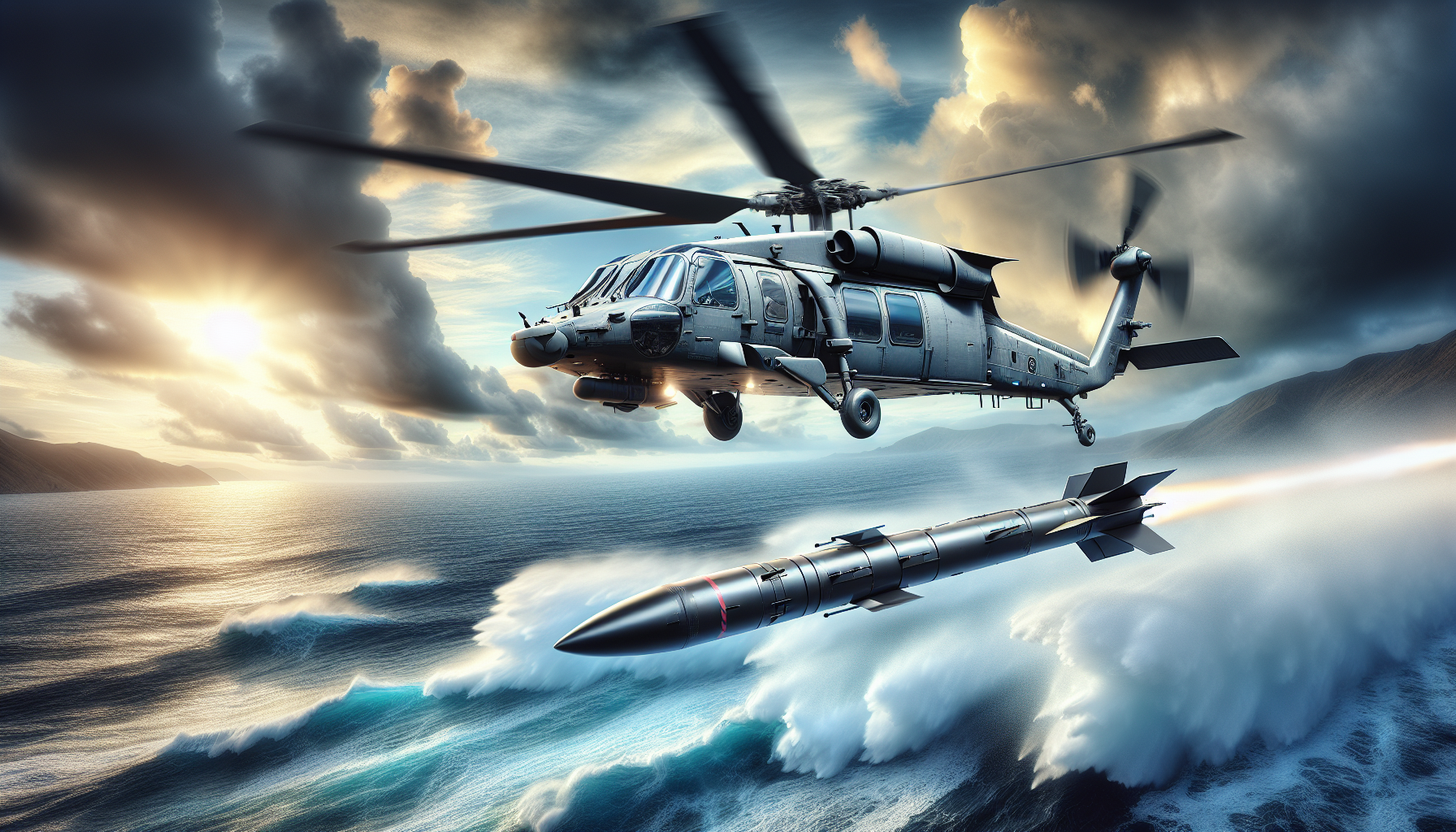
The recent advancements in missile technology for Marine helicopters signify a pivotal shift in military capabilities, particularly with the integration of the Red Wolf munitions system. This system, developed under the Precision Attack and Surveillance Missiles (PASM) program, boasts an extensive range exceeding 230 miles, offering helicopters such as the AH-1Z Viper enhanced over-the-horizon targeting capabilities. The cost-effectiveness of the Red Wolf, priced at approximately $300,000, positions it as a strategic asset for modern combat scenarios, particularly in potential conflicts within the Pacific theater.
This article will explore the functionalities of the Red Wolf system, including its operational advantages compared to existing helicopter-launched munitions. Additionally, it will analyze the implications of increased missile range for survival in combat and the challenges that remain to be addressed in its deployment. Through this examination, insights will be provided into how such technological advancements are reshaping the landscape of military aviation and engagement strategies.
Overview of the Red Wolf Missile
Introduction to the Red Wolf system
You may be aware that the Red Wolf missile represents a significant advancement in modern military munitions, specifically designed for aerial deployment by Marine Corps helicopters. This system embodies a new paradigm in warfare, where precision strikes can be executed from extended distances, outfitting Marines with the capability to engage adversaries without jeopardizing pilot safety. Forded by the need for over-the-horizon targeting, the Red Wolf missile brings state-of-the-art technology into the battlefield, ensuring that combat efficacy is maximized while minimizing vulnerabilities.
Key specifications and capabilities
The Red Wolf missile boasts an impressive operational range of over 230 miles, enabling its users to conduct strikes while remaining out of the enemy’s direct line of sight. This extended range is coupled with advanced guidance systems that enhance strike accuracy. You will find that the missile is designed to operate in various weather conditions, providing versatility to ground and air operators alike. The estimated cost of approximately $300,000 per unit makes it a financially viable option in the context of military expenditures, allowing for increased deployment across a range of missions without devastating budget implications.
Development history and purpose
The development of the Red Wolf system reflects a response to the evolving landscape of warfare, particularly recognizing the strategic importance of precision targeting and long-range engagement. Conceived within the framework of the Precision Air-to-Surface Munition (PASM) program, the Red Wolf’s primary purpose is to provide the Marine Corps with a robust munition that enhances their operational arsenal against near-peer competitors in scenarios often characterized by vast distances, such as potential conflicts in the Pacific region. You will note that the system symbolizes a shift towards more sophisticated, cost-effective munitions capable of addressing contemporary military challenges.
PASM Program Insights
What is the Precision Air-to-Surface Munition (PASM) program?
The Precision Air-to-Surface Munition program is an integral initiative aimed at developing advanced munitions systems for the United States Marine Corps. In essence, you can see the PASM program as a comprehensive strategy that emphasizes accuracy, range, and cost-efficiency—all vital attributes in an increasingly complex battlefield environment. It aligns with the broader military objectives of maintaining technological superiority and enhancing operational capabilities.
Goals and objectives of the PASM program
You may find it interesting that the primary goals of the PASM program include delivering cutting-edge solutions that improve targeting precision, reduce collateral damage, and provide warfighters with a distinct advantage in modern combat scenarios. With the Red Wolf missile as its flagship offering, the PASM program aims to support the Marine Corps in effectively engaging adversaries while mitigating risks. Important objectives also encapsulate adapting to the operational needs of the 21st-century battlefield, ensuring that Marines are equipped to handle diverse threats.
Importance of the PASM program for the Marine Corps
The significance of the PASM program for the Marine Corps cannot be overstated. As you reflect on the strategic context of military engagement today, you will recognize that standoff capability is critical for effective mission execution. The precision targeting enabled by the Red Wolf missile—born from the PASM program—not only elevates tactical options but also enhances the overall lethality of Marine air-ground task forces. This innovation ensures that the Marine Corps remains a formidable force, capable of projecting power swiftly and effectively in various theaters of operation.

Operational Capabilities of the Red Wolf
Range and targeting precision
The extended range of the Red Wolf missile, surpassing 230 miles, fundamentally changes the operational capabilities of Marine Corps helicopters such as the AH-1Z Viper. You must consider that this range allows pilots to engage high-value targets without the immediate risk associated with closer engagements. The missile’s integrated technology ensures precise targeting, reducing the margin for error and minimizing collateral damage, which is paramount in contemporary conflict scenarios. By enhancing operational range and accuracy, the Red Wolf elevates the effectiveness of air-to-ground assaults.
Comparison with existing munitions
When you compare the Red Wolf missile to existing munitions within the Marine Corps’ arsenal, the advantages become strikingly apparent. Traditional munitions often lack the standoff capability and precision offered by the Red Wolf. Conventional ordnance frequently necessitates closer engagement, presenting significant risks to aircrew and ground forces. By offering an amalgamation of range and accuracy, the Red Wolf marks a substantial enhancement, providing operational commanders with a more effective tool for modern warfare.
Strategic advantages in modern combat scenarios
In the context of modern combat scenarios, you will find that the strategic advantages of the Red Wolf missile extend well beyond its technical specifications. With the capability to strike targets from considerable distances, the Red Wolf allows for a multi-layered approach to engagement. This capability enhances force survivability while enabling more measures to deter or neutralize threats without direct confrontation. As adversaries continue to modernize their own capabilities, the Red Wolf positions the Marine Corps to retain a competitive edge.
Comparison with Other Helicopter-Launched Munitions
Overview of currently used munitions
As you evaluate the landscape of helicopter-launched munitions, it becomes clear that numerous options exist, including the AGM-114 Hellfire and the AGM-65 Maverick. These systems, widely employed in various military operations, serve distinct roles but often fall short of the range and precision promised by newer technologies like the Red Wolf. Each munition possesses its own unique attributes and intended applications, highlighting the necessity for robust analysis when determining the optimum engagement solution.
Strengths and weaknesses of competitors
Examining the strengths and weaknesses of competitor munitions, you may find that while systems like the Hellfire have established themselves as reliable workhorses, they are often constrained by limited range and targeting capabilities. The MGM-65 Maverick, while effective for close air support, does not achieve the same over-the-horizon engagement capabilities as the Red Wolf. By juxtaposing these systems, the weaknesses in traditional munitions become apparent, paving the way for the Red Wolf to fulfill an essential role that enhances overall operational success.
How Red Wolf enhances the existing arsenal
When you consider how the Red Wolf missile enhances the existing arsenal of helicopter-launched munitions, the contrast becomes evident. By integrating advanced technology that focuses on precision and range, the Red Wolf serves as a force multiplier for Marine aviation. You can anticipate that, as part of the Marine Corps’ evolving arsenal, the Red Wolf will function in concert with traditional munitions, thereby expanding mission profiles and operational effectiveness across diverse conflict scenarios.
The Importance of Range in Combat
Why extended range translates to increased survivability
Extended range capabilities in combat inherently translate to increased survivability for ground and air forces. You should recognize that operating from a distance enables military personnel to engage targets without exposing themselves to immediate enemy fire. In hostile environments, maintaining a safe distance while neutralizing threats is a crucial factor in mission success. The Red Wolf missile’s superior range exemplifies this principle, allowing helicopters to stay out of harm’s way while delivering precise firepower.
Scenarios demonstrating the impact of range
As you delve into hypothetical scenarios, consider how the Red Wolf missile could alter the dynamics of battle. Suppose a Marine unit is facing a fortified position; with the Red Wolf, an AH-1Z Viper could engage targets accurately from a safe distance, significantly decreasing the risk of enemy fire aimed at the aircraft. This advantage could evolve into an operational standard, changing not just tactics but also strategies across the Marine Corps and other branches of the military.
Historical precedents in military strategy
You may want to reference the historical contexts of military tactics in understanding the importance of range. From the introduction of artillery and long-range firearms to the deployment of drones, history has consistently reinforced the notion that the ability to strike from a distance provides enhanced operational flexibility and decreased casualties. The Red Wolf missile aligns with this storied tradition, ensuring that as technology evolves, the principle of standoff engagement remains a cornerstone of military strategy.
Challenges and Limitations
Potential technical challenges of the Red Wolf system
While the Red Wolf missile holds immense promise, it is not without its challenges. You should consider that the integration of advanced technology in munitions often introduces potential technical issues, ranging from guidance system reliability to software vulnerabilities. As the Marine Corps advances in adopting the Red Wolf, ensuring robust testing and quality assurance will be critical in overcoming these potential hurdles.
Logistical considerations for deployment
As you think about logistical considerations, the deployment and sustainment of advanced munitions like the Red Wolf represent additional complexities. Factors such as resupply, maintenance, and transport logistics will influence the overall effectiveness of the missile in various operational theaters. You will need to account for these constraints when planning missions, as unanticipated logistical challenges could undermine operational objectives.
Countermeasures from adversaries
Lastly, consider the potential for adversaries to develop countermeasures against the Red Wolf system. As you analyze modern conflict scenarios, it becomes evident that any new technology may provoke challenges from adversaries seeking to neutralize its effectiveness. Maintaining superiority in missile technology will require continuous adaptation and innovation to stay ahead of emerging threats and countermeasures.

Integration with Marine Helicopters
Compatibility with the AH-1Z Viper
You will find that the Red Wolf missile has been explicitly designed for compatibility with Marine helicopters, notably the AH-1Z Viper. This integration ensures that the missile can be seamlessly deployed within existing operational frameworks, enabling pilots to quickly adapt to new technologies and procedures. Compatibility with the AH-1Z will greatly enhance the Viper’s lethality and versatility against varied threats across multi-domain operations.
Training requirements for Marines
To fully leverage the capabilities of the Red Wolf missile, specialized training programs will be essential for Marines. You should anticipate that training not only involves familiarization with the missile’s deployment mechanisms but also extends to understanding its operational intricacies and potential applications in a variety of combat scenarios. Adequate training protocols will be paramount to operational success, allowing Marines to maximize the Red Wolf’s advantages.
Impact on current helicopter operations
The introduction of the Red Wolf missile into Marine operations promises to significantly impact current helicopter missions. Enhanced standoff capabilities will permit more engaging roles for helicopters, shifting their function from supportive to frontline units capable of direct strike capabilities. You can envision a redefined operational paradigm where helicopter employment strategies evolve, incorporating new ways to effectively mitigate threats on the battlefield.
Financial Aspects of the Red Wolf Missile
Cost analysis of the $300,000 price tag
You may be curious about the financial implications of the Red Wolf missile, which carries a price tag of approximately $300,000. While this cost may initially appear steep, the price must be contextualized within the scope of military budgeting and the overall effectiveness it offers. When compared with the expense of deploying ground troops or manned air assets for close engagements, the Red Wolf presents a cost-effective solution that maximizes operational effectiveness.
Budget implications for military funding
In considering the broader budget implications for military funding, the introduction of the Red Wolf missile aligns with a strategic push towards modernization and readiness. As military budgets reflect prioritization of advanced capabilities, investing in systems like the Red Wolf is an essential step in ensuring that troops are equipped for contemporary challenges. The cost considerations will need to balance with the benefits realized in operational superiority.
Cost-effectiveness compared to traditional weapons
When you assess the cost-effectiveness of the Red Wolf missile in comparison to traditional weapons, the potential savings associated with precision strikes become clear. Reducing collateral damage and destruction leads to fewer resources needed for recovery and restoration, justifying the initial investment in precision munitions. You should take into account that the long-term advantages provided by the Red Wolf missile can have significant implications for military logistics and operations.
Future of Marine Aviation and Missiles
Predicted advancements in missile technology
The trajectory of missile technology is on an upward curve, and you can expect to see continued advancements in the coming years. With the evolving nature of warfare, ongoing research and innovation are necessary for developing even more sophisticated systems. Innovations in targeting systems, propulsion, and lethality will inevitably enhance munitions like the Red Wolf, allowing for unparalleled flexibility and engagement capability on the battlefield.
Potential for upgrades and modifications
As the Red Wolf missile is fielded, its potential for upgrades and modifications becomes apparent. You may find that as technology progresses, there will be opportunities to enhance the missile’s performance through software updates, hardware modifications, and integration with emerging platforms. This evolution ensures that the Red Wolf remains at the forefront of military innovation for years to come, adapting to new threats and challenges.
Trends in military aviation and its implications
Reflecting on current trends in military aviation, it is clear that unmanned systems, enhanced mobility, and standoff capabilities are shaping operational tactics. The Red Wolf missile aligns with these trends, ensuring that Marine Corps aviation remains agile and responsive to the needs of modern conflict. You can anticipate that the implications of these advancements will be far-reaching, influencing doctrine, strategy, and the overall effectiveness of military operations globally.
Conclusion
Summarization of key points discussed
In summary, the Red Wolf missile serves as a transformative addition to the Marine Corps’ arsenal, offering unprecedented range and precision in combat scenarios. Its development through the Precision Air-to-Surface Munition program illustrates the foresight of military leaders in addressing emerging challenges. The operational capabilities and financial considerations associated with the Red Wolf highlight its significance in the larger context of military strategy.
The Red Wolf’s potential impact on military strategy
You should consider the profound impact that the Red Wolf missile could have on military strategy. By providing standoff capability without sacrificing precision, the missile allows for innovative approaches to combat engagement, reshaping the way military forces operate in complex environments. As the utilization of the Red Wolf expands, you can expect to observe a broad transformation in tactics and procedures among Marine units and beyond.
Final thoughts on the evolution of military munitions
As military forces worldwide adapt to shifting battlefield dynamics, the evolution of munitions like the Red Wolf will remain critical. The interplay between technological advancements and operational necessity will ensure that the Marine Corps continues to refine its approach to warfare. You must recognize that the commitment to innovation and excellence unlocks a future where military operations become increasingly efficient, precise, and effective, ultimately contributing to the security of national and international interests.